Allium oreoprasum
Allium oreoprasum · Accepted scientific name
Scientific literature: Very Sparse (0 studies) · ★☆☆☆☆
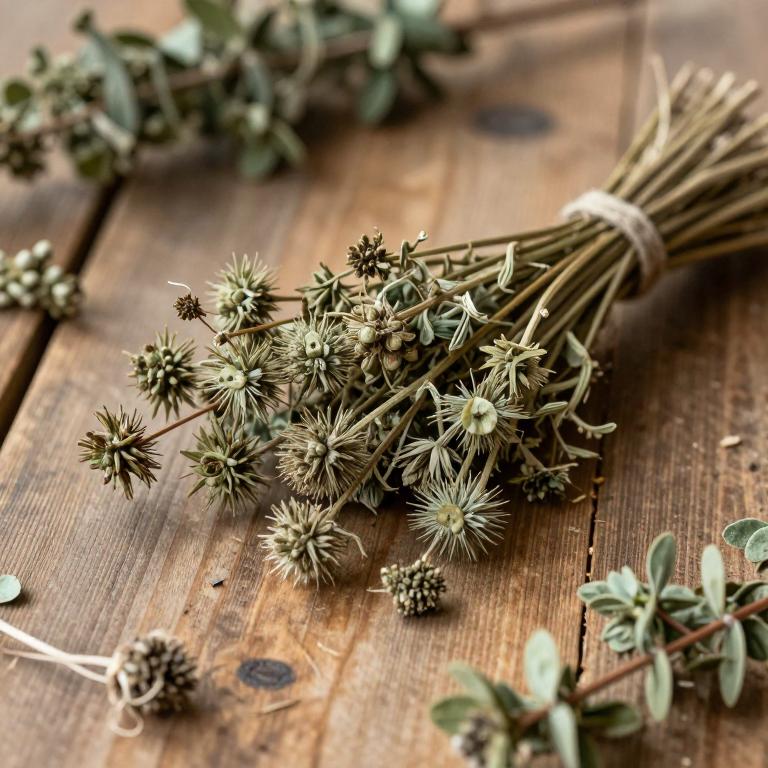
Allium oreoprasum, commonly known as wild garlic, is a perennial herb belonging to the Amaryllidaceae family. This plant is widely recognized for its aromatic qualities and its significant presence in various culinary and medicinal traditions. Recent scientific investigations have focused on the biological potential of its methanolic extracts to identify bioactive compounds. These preparations are particularly valued for their ability to concentrate diverse secondary metabolites found within the plant tissues. Understanding the chemical profile of these extracts provides essential insights into the species' therapeutic applications.
- Synonyms
- Not available
- Common names
- Not available
- Family
- Amaryllidaceae
- Distribution
- Southern America
- Plant Parts
- Not available
Classification
Common Names
Allium oreoprasum is a versatile plant known by several distinct regional names across the globe. In Finland, it is commonly referred to as tupaslaukka, reflecting its local cultural significance. Moving toward Eastern Europe, the species is frequently identified by the Russian name Лук горный. Its presence in Chinese botanical contexts is marked by the name 滩地韭. These diverse linguistic labels highlight the widespread distribution and international recognition of this unique species.
Sources: Catalogue of Life (COL)
Taxonomy
Allium oreoprasum belongs to the vast kingdom Plantae, encompassing all known forms of plant life. Within this kingdom, it is classified under the class Equisetopsida, marking its place in the evolutionary tree. It further belongs to the order Asparagales, a diverse group of monocotyledonous flowering plants. As a member of the family Amaryllidaceae, it shares unique botanical characteristics with many other bulbous species. Finally, it is categorized under the specific genus Allium, which links it to a well-known group of aromatic plants.
| Rank | Classification |
|---|---|
| Kingdom | Plantae |
| Phylum | Streptophyta |
| Class | Equisetopsida |
| Subclass | Magnoliidae |
| Order | Asparagales |
| Family | Amaryllidaceae |
| Genus | Allium |
Sources: The World Checklist of Vascular Plants (WCVP)
Distribution
Geographic Regions
Allium oreoprasum is widely distributed across the temperate regions of Asia, showcasing a remarkable ability to thrive in diverse landscapes. Its presence is particularly notable throughout Central Asia, where it can be found spanning the territories of Kazakhstan, Kyrgyzstan, Tajikistan, and Uzbekistan. Beyond these central reaches, the species also extends its range into the unique high-altitude environments of Tibet in China. This widespread geographical footprint highlights the plant's adaptability to various climatic conditions across the continent. Understanding these specific distribution patterns provides essential insight into the ecological niche this species occupies.
Sources: The World Checklist of Vascular Plants (WCVP)
Identification
Morphology
Allium oreoprasum is a self-supporting herb characterized by its compact and sturdy growth form. This plant typically maintains a modest stature, reaching a maximum height of 0.4 meters. On average, its height ranges from a minimum of 0.2 meters to its full extent. Such consistent dimensions make it a reliable feature within its natural habitat.
Sources: Global Inventory of Floras and Traits (GIFT)
Biological Activities
Compounds
Conditions
Allium oreoprasum exhibits strong anti-influenza viral activity according to recent investigations. This specific plant was among several species from Nepalese traditional medicine tested for its antiviral properties. Researchers utilized a dye uptake assay in MDCK cell systems to evaluate its effectiveness against the influenza virus A. The study confirmed that the methanolic extract of this species possesses significant potency in inhibiting the virus. Consequently, the results highlight the medicinal potential of Allium oreoprasum in treating influenza infections.
Preparations
Allium oreoprasum is prepared as methanolic extracts within the context of this study on Nepalese traditional medicine. These specific extracts were investigated for their potential in vitro antiviral activity against the influenza virus A. The research utilized a dye uptake assay in MDCK cell systems to evaluate the efficacy of the plant material. Through this preparation method, the plant demonstrated strong anti-influenza viral activity. Consequently, the methanolic extracts of this species serve as a key subject in understanding its medicinal properties.