Alectra parasitica
Alectra parasitica · Accepted scientific name
Scientific literature: Very Sparse (3 studies) · ★☆☆☆☆
Alectra parasiticica, scientifically known as Alectra parasiticica, is a specialized parasitic climber found in tropical forest ecosystems. Often characterized by its unique ability to derive nutrients from host plants, this species holds significant interest in ethnobotany. Researchers study its chemical properties to uncover potential medicinal applications and bioactive compounds.
- Family
- Orobanchaceae
- Native range
- Africa
- Parts used
- Rhizome
- Common names
- Not available
- Scientific synonyms
- Melasma Parasiticum
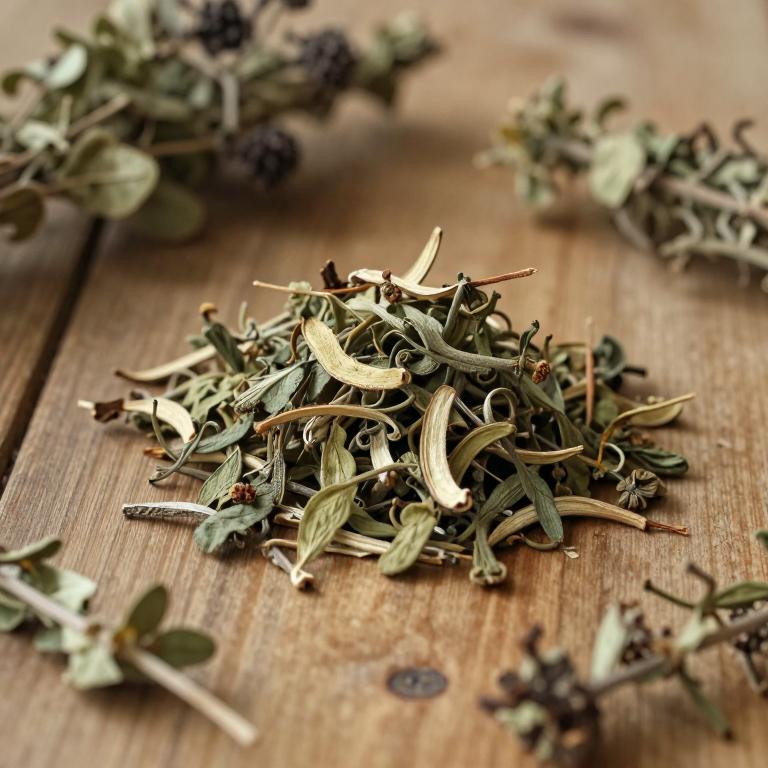
Names and Synonyms
Scientific Names
Accepted name
Alectra parasiticaSynonyms
- Melasma parasiticum
Sources: Wikidata
Taxonomical Classification
This plant belongs to the kingdom Plantae and the phylum Streptophyta, falling under the class Equisetopsida and subclass Magnoliidae. Within the order Lamiales, it is classified under the family Orobanchaceae. Its specific taxonomic designation is placed within the genus Alectra.
| Rank | Classification |
|---|---|
| Kingdom | Plantae |
| Phylum | Streptophyta |
| Class | Equisetopsida |
| Subclass | Magnoliidae |
| Order | Lamiales |
| Family | Orobanchaceae |
| Genus | Alectra |
Sources: The World Checklist of Vascular Plants (WCVP)
Distribution
This plant exhibits a widespread distribution across several distinct regions of the African continent. In West-Central Tropical Africa, its presence is specifically noted within Cameroon. Moving toward the northeast, it can be found throughout the tropical landscapes of Eritrea and Ethiopia. The species also extends into the horn of Africa, inhabiting the territory of Somalia. Finally, its range reaches East Tropical Africa, where it is documented in Kenya.
| Region | Area |
|---|---|
| West-Central Tropical Africa | Cameroon |
| Northeast Tropical Africa | Eritrea |
| Northeast Tropical Africa | Ethiopia |
| Northeast Tropical Africa | Somalia |
| East Tropical Africa | Kenya |
| East Tropical Africa | Tanzania |
| East Tropical Africa | Uganda |
| South Tropical Africa | Angola |
| South Tropical Africa | Malawi |
| South Tropical Africa | Zambia |
Sources: The World Checklist of Vascular Plants (WCVP)
Botanical Identification
Morphology
The morphology of Alectra parasitica is characterized by its specific growth form and structural composition. It functions as a herb, lacking the permanent structural tissues found in larger woody species. In terms of its physical consistency, the plant is classified as non-woody, possessing a soft, succulent, or flexible stem structure rather than a lignified, woody framework.
- Growth form :
- herb
- Woodiness :
- non-woody
Sources: Global Inventory of Floras and Traits (GIFT)
Plant Parts
Alectra parasitica has 1 reported plant parts identified across 1 scientific publications and several other databases that are studied for medicinal purposes. The most consistently reported plant part include rhizome.
| Plant part | Supporting sources | Consensus |
|---|---|---|
| Rhizome | 1 supporting sources | ★☆☆☆☆ |
Rhizome
- Natural product research
Chemicals
Alectra parasitica has 2 reported phytochemicals identified across 1 scientific publications and several other databases. The most consistently reported chemicals include Azafrin, Carotenoid.
| Chemical | Supporting sources | Consensus |
|---|---|---|
| Azafrin | 1 supporting sources | ★☆☆☆☆ |
| Carotenoid | 1 supporting sources | ★☆☆☆☆ |
Azafrin
- Natural product research
Carotenoid
- Natural product research
Preparations
Alectra parasitica has 1 reported preparations identified across 1 scientific publications and several other databases. The most consistently reported preparations include dried rhizome powder.
| Preparation | Supporting sources | Consensus |
|---|---|---|
| Dried rhizome powder | 1 supporting sources | ★☆☆☆☆ |
Dried rhizome powder
- Natural product research