lady's mantle
Alchemilla · Accepted scientific name
Scientific literature: Very Sparse (13 studies) · ★☆☆☆☆
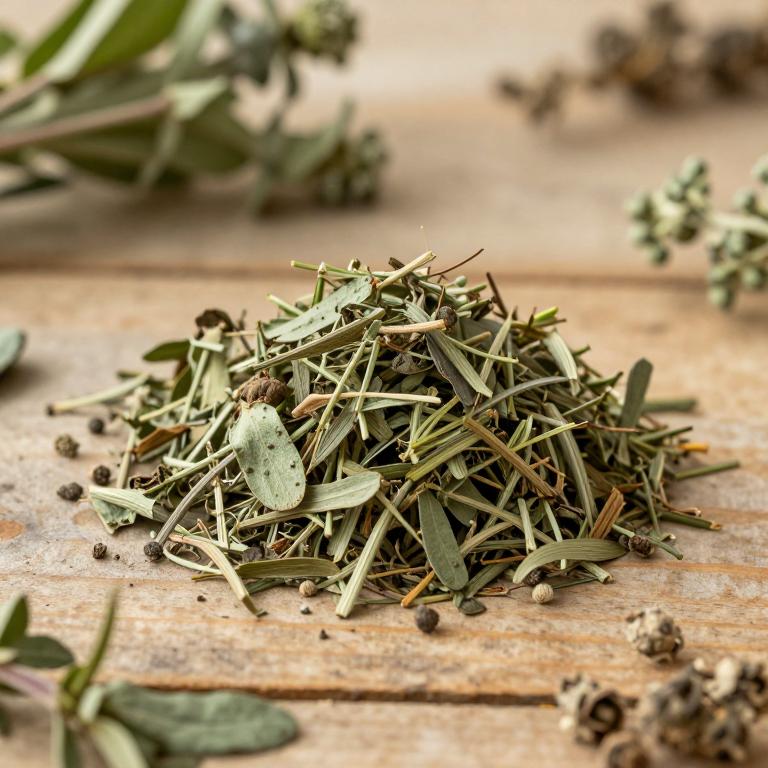
Lady's mantle, scientifically known as Alchemilla, is a versatile perennial renowned for its striking, scalloped foliage that beautifully collects morning dew. Traditionally valued in herbalism for its astringent and anti-inflammatory properties, this resilient plant is widely used to support women's reproductive health and soothe various skin conditions.
Names and Synonyms
Common Names
- lady's-mantle
- Lady's Mantle
- a lady's-mantle
- Lady's-mantles
- Lady's Mantles
Scientific Names
Accepted name
AlchemillaSynonyms
- Zygalchemilla
- Aphanes
- Lachemilla
Regional and Traditional Names
Spanish:
- Zygalchemilla
- Lachemilla
- Alchimilla
- Orejuelas
German:
- Frauenmantel
- Frauenmantelkraut
French:
- alchémille
- Alchemille
- Alchémille
- Alchémilles
- Alchémille
Sources: Wikidata, Catalogue of Life
Taxonomical Classification
This plant belongs to the kingdom Plantae and the phylum Streptophyta, placing it within the class Equisetopsida and subclass Magnoliidae. It is further classified under the order Rosales and the family Rosaceae. Within this taxonomic hierarchy, it is specifically identified by the genus Alchemilla.
| Rank | Classification |
|---|---|
| Kingdom | Plantae |
| Phylum | Streptophyta |
| Class | Equisetopsida |
| Subclass | Magnoliidae |
| Order | Rosales |
| Family | Rosaceae |
| Genus | Alchemilla |
Sources: The World Checklist of Vascular Plants (WCVP)
Distribution
This plant exhibits a distinct presence across various regions of Northern Europe. It can be found growing within the coastal and inland landscapes of Denmark. Its distribution extends further north to include the territories of Finland and Iceland. Additionally, the species is well-established in the archipelago of the Førøyar islands. Finally, its geographical range reaches into the natural habitats of Great Britain.
| Region | Area |
|---|---|
| Northern Europe | Denmark |
| Northern Europe | Finland |
| Northern Europe | Føroyar |
| Northern Europe | Great Britain |
| Northern Europe | Iceland |
| Northern Europe | Ireland |
| Northern Europe | Norway |
| Northern Europe | Svalbard |
| Northern Europe | Sweden |
| Middle Europe | Austria |
Sources: The World Checklist of Vascular Plants (WCVP)
Chemicals
Alchemilla has 5 reported phytochemicals identified across 0 scientific publications and several other databases. The most consistently reported chemicals include Anthocyanins, Coumarins, Flavonoids, Tannins, Triterpenes.
| Chemical | Supporting sources | Consensus |
|---|---|---|
| Anthocyanins | 1 supporting sources | ★☆☆☆☆ |
| Coumarins | 1 supporting sources | ★☆☆☆☆ |
| Flavonoids | 1 supporting sources | ★☆☆☆☆ |
| Tannins | 1 supporting sources | ★☆☆☆☆ |
| Triterpenes | 1 supporting sources | ★☆☆☆☆ |
Anthocyanins
- Journal of ethnopharmacology
Coumarins
- Journal of ethnopharmacology
Flavonoids
- Journal of ethnopharmacology
Tannins
- Journal of ethnopharmacology
Triterpenes
- Journal of ethnopharmacology
Activities
Alchemilla has 6 reported activities identified across 0 scientific publications and several other databases. The most consistently reported activities include Anticancer, Antimicrobial, Antiobesity, Antioxidant, Cardiovascular.
| Activity | Supporting sources | Consensus |
|---|---|---|
| Anticancer | 1 supporting sources | ★☆☆☆☆ |
| Antimicrobial | 1 supporting sources | ★☆☆☆☆ |
| Antiobesity | 1 supporting sources | ★☆☆☆☆ |
| Antioxidant | 1 supporting sources | ★☆☆☆☆ |
| Cardiovascular | 1 supporting sources | ★☆☆☆☆ |
| Neuroprotective | 1 supporting sources | ★☆☆☆☆ |
Anticancer
- Journal of ethnopharmacology
Antimicrobial
- Journal of ethnopharmacology
Antiobesity
- Journal of ethnopharmacology
Antioxidant
- Journal of ethnopharmacology
Cardiovascular
- Journal of ethnopharmacology
Neuroprotective
- Journal of ethnopharmacology
Conditions
Alchemilla has 2 reported investigations on conditions identified across 0 scientific publications and several other databases. The most consistently reported conditions include dysmenorrhea, pruritus vulvae.
| Condition | Supporting sources | Consensus |
|---|---|---|
| Dysmenorrhea | 1 supporting sources | ★☆☆☆☆ |
| Pruritus vulvae | 1 supporting sources | ★☆☆☆☆ |
Dysmenorrhea
- Journal of ethnopharmacology
Pruritus vulvae
- Journal of ethnopharmacology