Alchemilla speciosa
Alchemilla speciosa · Accepted scientific name
Scientific literature: Very Sparse (3 studies) · ★☆☆☆☆
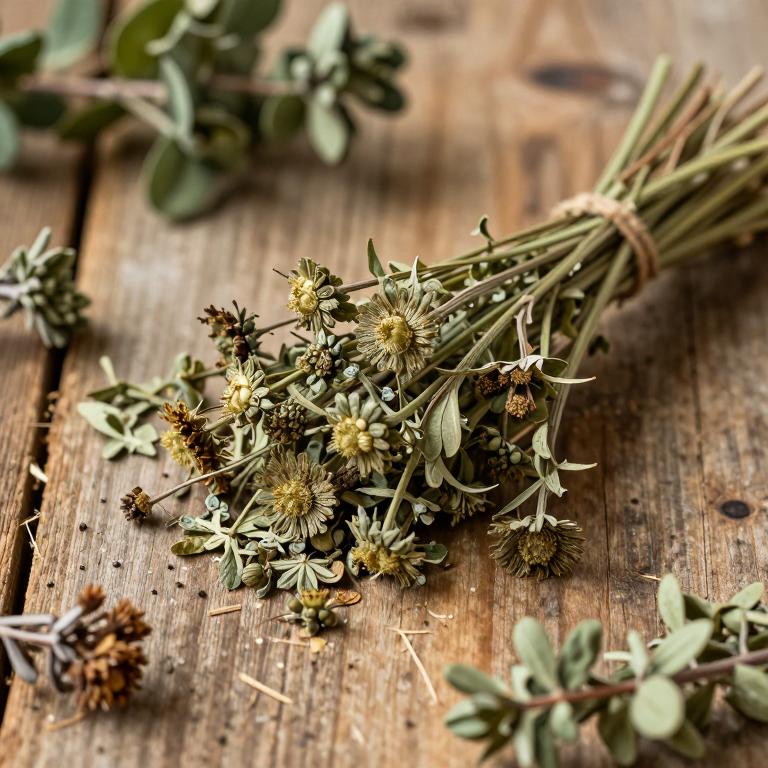
, scientifically known as Alchemilla speciosa, is a captivating perennial herb cherished for its delicate, lace-like foliage and subtle medicinal properties. Often found in temperate regions, this botanical gem is valued in traditional herbalism for its potential astringent qualities, offering a unique blend of ornamental beauty and therapeutic interest.
- Family
- Rosaceae
- Native range
- Europe
- Parts used
- Not available
- Common names
- Not available
- Scientific synonyms
- Potentilla Lacerna-Femina · Alchemilla Acutiloba Subsp. Speciosa
Names and Synonyms
Scientific Names
Accepted name
Alchemilla speciosaSynonyms
- Potentilla lacerna-femina
- Alchemilla acutiloba subsp. speciosa
Regional and Traditional Names
German:
- Ansehnlicher Frauenmantel
- Ansehnlicher Frauenmantel
- Praechtiger Frauenmantel
French:
- Alchemille splendide
Sources: Wikidata, Catalogue of Life
Taxonomical Classification
This plant belongs to the kingdom Plantae and is classified under the phylum Streptophyta and the class Equisetopsida. Within the subclass Magnoliidae, it follows the order Rosales and is a member of the family Rosaceae. Specifically, it is categorized under the genus Alchemilla.
| Rank | Classification |
|---|---|
| Kingdom | Plantae |
| Phylum | Streptophyta |
| Class | Equisetopsida |
| Subclass | Magnoliidae |
| Order | Rosales |
| Family | Rosaceae |
| Genus | Alchemilla |
Sources: The World Checklist of Vascular Plants (WCVP)
Distribution
This plant exhibits a widespread distribution across several distinct regions of the European continent. In Northern Europe, its presence can be documented within the borders of Sweden. Moving toward Middle Europe, it is found inhabiting various landscapes in Austria, Germany, and Switzerland. Furthermore, the species extends its range into Southwestern Europe, specifically within France. Together, these locations highlight the diverse geographical reach of Alchemilla speciosa.
| Region | Area |
|---|---|
| Northern Europe | Sweden |
| Middle Europe | Austria |
| Middle Europe | Germany |
| Middle Europe | Switzerland |
| Southwestern Europe | France |
| Caucasus | Transcaucasus |
| Western Asia | Türkiye |
Sources: The World Checklist of Vascular Plants (WCVP)
Botanical Identification
Ecology
The ecology of Alchemilla speciosa is fundamentally defined by its preference for high-altitude environments, specifically within mountainous regions. It thrives in these rugged landscapes, often occupying specialized niches such as rocky slopes, alpine meadows, or subalpine scrublands where the terrain is characterized by significant vertical relief. The plant is adapted to the unique environmental stressors of these mountain habitats, including fluctuating temperatures, intense solar radiation, and seasonal variations in moisture availability. Its presence is closely tied to the specific soil compositions and drainage patterns found in these elevated territories, allowing it to form part of the specialized plant communities that inhabit high-elevation ecosystems.
- Habitat :
- mountains
Life history
The life history of Alchemilla speciosa is characterized by its existence as a perennial plant, allowing it to persist through multiple growing seasons. Structurally, the species functions as a hemicryptophyte, a growth form where the perennating buds are located at the soil surface, protected by leaf litter or other organic debris during unfavorable periods. This life strategy enables the plant to maintain a stable presence within its ecological niche, utilizing its perennial nature to re-emerge and continue its development year after year.
- Life form :
- hemicryptophyte
- Lifecycle :
- perennial
Morphology
The morphology of Alchemilla speciosa is characterized by its growth form as a herb, exhibiting a non-woody structure throughout its development. The plant maintains a relatively low stature, with a height ranging from a minimum of 0.2 m to a maximum of 0.7 m.
- Growth form :
- herb
- Plant height max:
- 0.7 m
- Plant height min:
- 0.2 m
- Woodiness :
- non-woody
Reproduction
The reproduction of Alchemilla speciosa is characterized by a specific seasonal flowering cycle that dictates its reproductive period. The plant enters its flowering phase starting in July, marking the commencement of its reproductive activities for the season. This blooming period continues through the subsequent month, with the flowering phase reaching its conclusion in August. Because these reproductive cycles can be influenced by environmental variables, the precise timing within this window may vary, yet the core window for flower production remains concentrated within these summer months.
- Flowering time :
- Jul
- Flowering time :
- Aug
Sources: Global Inventory of Floras and Traits (GIFT)
Chemicals
Alchemilla speciosa has 2 reported phytochemicals identified across 0 scientific publications and several other databases. The most consistently reported chemicals include Esculetin, quercetin.
| Chemical | Supporting sources | Consensus |
|---|---|---|
| Esculetin | 1 supporting sources | ★☆☆☆☆ |
| quercetin | 1 supporting sources | ★☆☆☆☆ |
Esculetin
- Die Pharmazie
quercetin
- Die Pharmazie
Activities
Alchemilla speciosa has 1 reported activities identified across 0 scientific publications and several other databases. The most consistently reported activities include Antimutagenic.
| Activity | Supporting sources | Consensus |
|---|---|---|
| Antimutagenic | 1 supporting sources | ★☆☆☆☆ |
Antimutagenic
- Die Pharmazie