Alchemilla plicatula
Alchemilla plicatula · Accepted scientific name
Scientific literature: Very Sparse (38 studies) · ★☆☆☆☆
, scientifically known as Alchemilla pliocratula, is a resilient perennial herb valued for its therapeutic potential. Often found in mountainous regions, this plant belongs to the Rosaceae family. Traditionally used in folk medicine, it possesses unique bioactive properties that are increasingly being studied for their antioxidant and anti-inflammatory benefits.
- Family
- Rosaceae
- Native range
- Europe
- Parts used
- Not available
- Common names
- Not available
- Scientific synonyms
- Alchemilla Alpigena F. Septemsecta · Alchemilla Visianii · 6 more
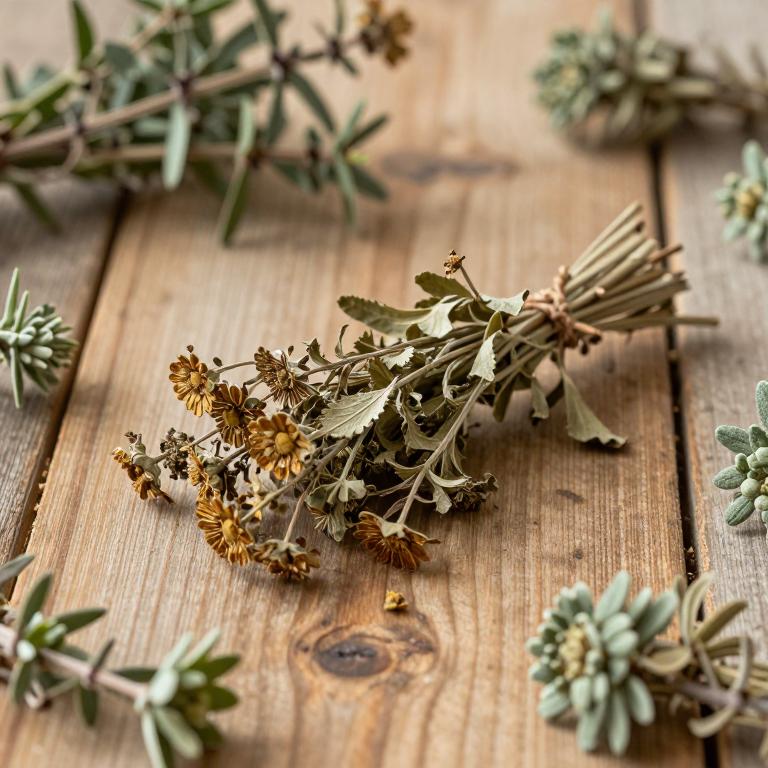
Names and Synonyms
Scientific Names
Accepted name
Alchemilla plicatulaSynonyms
- Alchemilla alpigena f. septemsecta
- Alchemilla visianii
- Alchemilla plicatula f. minor
- Alchemilla plicatula var. velebitica
- Alchemilla hoppeana subvar. velebitica
- Alchemilla hoppeana subsp. visianii
- Alchemilla alpina var. velebitica
- Alchemilla velebitica
Sources: Wikidata
Taxonomical Classification
This plant, Alchemilla pliätula, belongs to the kingdom Plantae and the phylum Streptophyta. Within the class Equisetopsida and subclass Magnoliidae, it is categorized under the order Rosales and the family Rosaceae. Finally, its specific taxonomic designation is placed within the genus Alchemilla.
| Rank | Classification |
|---|---|
| Kingdom | Plantae |
| Phylum | Streptophyta |
| Class | Equisetopsida |
| Subclass | Magnoliidae |
| Order | Rosales |
| Family | Rosaceae |
| Genus | Alchemilla |
Sources: The World Checklist of Vascular Plants (WCVP)
Distribution
This plant, known as Alchemilla pliocatula, exhibits a specific distribution across several regions in Southeastern Europe. It can be found growing within the borders of Albania, contributing to the local biodiversity of the area. Furthermore, the species is documented to inhabit various landscapes throughout Bulgaria. Its presence extends into the territories of Greece, where it thrives in suitable habitats. Finally, the plant is widely distributed across the Northwestern Balkan Peninsula.
| Region | Area |
|---|---|
| Southeastern Europe | Albania |
| Southeastern Europe | Bulgaria |
| Southeastern Europe | Greece |
| Southeastern Europe | NW. Balkan Pen. |
Sources: The World Checklist of Vascular Plants (WCVP)
Botanical Identification
Life history
The life history of Alchemilla plicatula is characterized by a flexible reproductive strategy and a specific structural adaptation to its environment. Its lifecycle is categorized as variable, meaning it can function as an annual, biennial, or perennial depending on environmental conditions and resource availability. Structurally, the plant is classified as a hemicryptophyte, a life form where the perennating buds are located at or just below the soil surface, protected by leaf litter or surface debris. This classification is consistent across its morphological descriptions, identifying it specifically as a hemicryptophyte rather than a phanerophyte, chamaephyte, or therophyte.
- Life form :
- hemicryptophyte
- Lifecycle :
- variable
Morphology
The morphology of Alchemilla plicatula is characterized by its compact, low-growing growth habit, with a plant height that typically ranges from a minimum of 0.05 m to a maximum of 0.15 m. It functions as a self-supporting plant rather than a climber, maintaining its structure through its own vegetative growth. This species is biologically independent, lacking any parasitic tendencies. Regarding its preferred environmental niche and moisture requirements, the plant exhibits versatility across various substrates, categorized as aquatic, semiaquatic, or terrestrial.
- Aquatic :
- terrestrial
- Climber :
- self-supporting
- Parasite :
- independent
- Plant height max:
- 0.15 m
- Plant height min:
- 0.05 m
Physiology
The physiology of Alchemilla pliocratula is characterized by a metabolic framework defined by a C3 photosynthetic pathway. In this process, the plant utilizes the enzyme Rubisco to fix atmospheric carbon dioxide into a three-carbon compound, specifically 3-phosphoglycerate, during the initial stages of the Calvin cycle. This carbon fixation occurs primarily within the mesophyll cells, where light-dependent reactions generate the necessary ATP and NADPH to drive the subsequent biochemical reduction of carbon. As a C3 plant, its physiological efficiency is highly dependent on environmental conditions, particularly temperature and moisture availability, as the pathway is susceptible to photorespiration when stomatal conductance decreases under heat or water stress. This metabolic strategy dictates the plant's water-use efficiency and its adaptive capacity within its specific ecological niche.
- Photosynthetic pathway :
- C3
Reproduction
The reproduction of Alchemilla plicatula is characterized by a specific seasonal flowering cycle that facilitates its pollination processes. The flowering period is relatively concentrated within the summer months, with the onset of blooming typically occurring in July. This flowering phase continues through the following month, reaching its conclusion in August. While the timing of these reproductive stages can be subject to environmental variables, this window serves as the primary period for the plant's sexual reproduction.
- Flowering time :
- Jul
- Flowering time :
- Aug
Sources: Global Inventory of Floras and Traits (GIFT)
Chemicals
Alchemilla plicatula has 12 reported phytochemicals identified across 0 scientific publications and several other databases. The most consistently reported chemicals include Al, COPPER, CU, FE, LITHIUM.
| Chemical | Supporting sources | Consensus |
|---|---|---|
| Al | 1 supporting sources | ★☆☆☆☆ |
| COPPER | 1 supporting sources | ★☆☆☆☆ |
| CU | 1 supporting sources | ★☆☆☆☆ |
| FE | 1 supporting sources | ★☆☆☆☆ |
| LITHIUM | 1 supporting sources | ★☆☆☆☆ |
| MANGANESE | 1 supporting sources | ★☆☆☆☆ |
| MN | 1 supporting sources | ★☆☆☆☆ |
| SELENIUM | 1 supporting sources | ★☆☆☆☆ |
| SILICON | 1 supporting sources | ★☆☆☆☆ |
| SR | 1 supporting sources | ★☆☆☆☆ |
Al
- Journal of trace elements in medicine and biology : organ of the Society for Minerals and Trace Elements (GMS)
COPPER
- Journal of trace elements in medicine and biology : organ of the Society for Minerals and Trace Elements (GMS)
CU
- Journal of trace elements in medicine and biology : organ of the Society for Minerals and Trace Elements (GMS)
FE
- Journal of trace elements in medicine and biology : organ of the Society for Minerals and Trace Elements (GMS)
LITHIUM
- Journal of trace elements in medicine and biology : organ of the Society for Minerals and Trace Elements (GMS)
MANGANESE
- Journal of trace elements in medicine and biology : organ of the Society for Minerals and Trace Elements (GMS)
MN
- Journal of trace elements in medicine and biology : organ of the Society for Minerals and Trace Elements (GMS)
SELENIUM
- Journal of trace elements in medicine and biology : organ of the Society for Minerals and Trace Elements (GMS)
SILICON
- Journal of trace elements in medicine and biology : organ of the Society for Minerals and Trace Elements (GMS)
SR
- Journal of trace elements in medicine and biology : organ of the Society for Minerals and Trace Elements (GMS)
Activities
Alchemilla plicatula has 2 reported activities identified across 0 scientific publications and several other databases. The most consistently reported activities include Astringent, Emmenagogue.
| Activity | Supporting sources | Consensus |
|---|---|---|
| Astringent | 1 supporting sources | ★☆☆☆☆ |
| Emmenagogue | 1 supporting sources | ★☆☆☆☆ |
Astringent
- Journal of trace elements in medicine and biology : organ of the Society for Minerals and Trace Elements (GMS)
Emmenagogue
- Journal of trace elements in medicine and biology : organ of the Society for Minerals and Trace Elements (GMS)
Preparations
Alchemilla plicatula has 1 reported preparations identified across 0 scientific publications and several other databases. The most consistently reported preparations include decoctions.
| Preparation | Supporting sources | Consensus |
|---|---|---|
| Decoctions | 1 supporting sources | ★☆☆☆☆ |
Decoctions
- Journal of trace elements in medicine and biology : organ of the Society for Minerals and Trace Elements (GMS)