Alchemilla diademata
Alchemilla diademata · Accepted scientific name
Scientific literature: Very Sparse (0 studies) · ★☆☆☆☆
Alchemilla diademata is a unique botanical species that has recently garnered scientific interest for its complex chemical properties. Researchers are increasingly examining the plant's potential bioactive compounds to address pressing medical challenges. Specifically, studies are investigating how extracts from this species interact with the resilient pathogen Staphylococcus aureus. Understanding these interactions could pave the way for discovering novel antimicrobial agents to combat resistant bacterial strains. Consequently, this plant represents a promising subject in the ongoing search for natural therapeutic solutions.
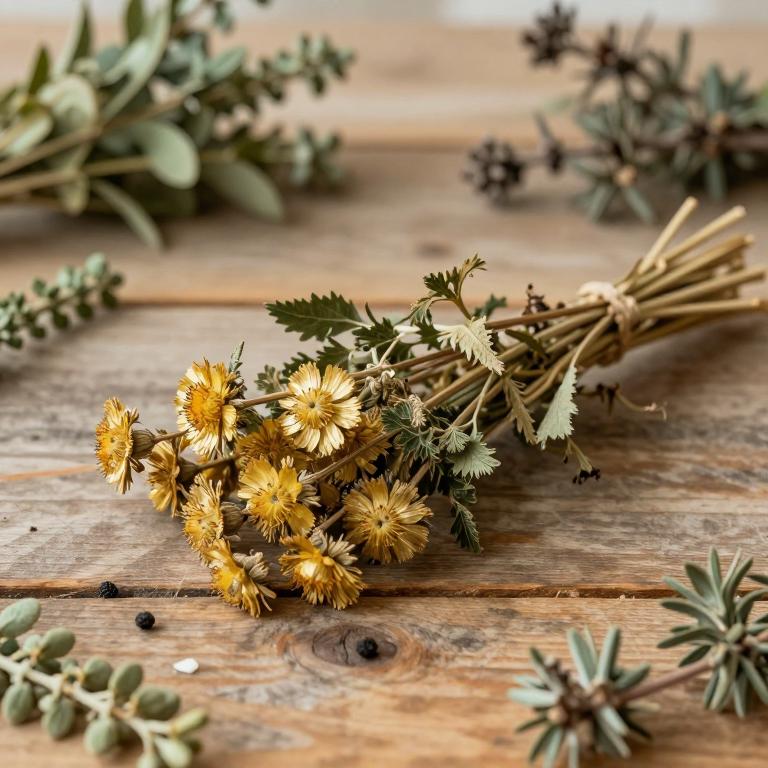
- Synonyms
- Not available
- Common names
- Not available
- Family
- Rosaceae
- Distribution
- Not available
- Plant Parts
- Not available
Classification
Common Names
Alchemilla diademata is a captivating plant known by several distinct and beautiful names across different languages. In French-speaking regions, it is commonly referred to as Alchémille en diadème. English speakers often identify this species as the Diadem Lady's Mantle, reflecting its elegant appearance. It also holds a unique place in Arabic nomenclature as كمالية مكللة. Regardless of the name used, this plant remains a striking addition to any botanical collection.
Sources: Catalogue of Life (COL)
Taxonomy
Alchemilla diademata is a fascinating member of the kingdom Plantae that showcases the intricate structure of botanical classification. This plant belongs to the class Equisetopsida and is categorized under the order Rosales. Within this order, it is specifically nested in the Rosaceae family, a group known for its diverse and beautiful floral characteristics. Furthermore, it is identified by its distinct genus, Alchemilla, which helps botanists pinpoint its unique evolutionary traits. Understanding these taxonomic relationships provides essential insight into the biological identity of this species.
| Rank | Classification |
|---|---|
| Kingdom | Plantae |
| Phylum | Streptophyta |
| Class | Equisetopsida |
| Subclass | Magnoliidae |
| Order | Rosales |
| Family | Rosaceae |
| Genus | Alchemilla |
Sources: The World Checklist of Vascular Plants (WCVP)
Distribution
Geographic Regions
Alchemilla diademata is a distinctive plant species primarily found within the Asia-temperate climatic regions. Its geographic footprint is specifically concentrated across Western Asia, where it thrives in diverse ecological niches. Within this territory, the plant maintains a notable presence throughout the landscapes of Lebanon and Syria. Understanding these specific distribution patterns is essential for researchers studying the botanical diversity of the Middle East. Consequently, this species serves as an important biological indicator for the unique environments found in these Mediterranean-adjacent areas.
Sources: The World Checklist of Vascular Plants (WCVP)
Identification
Biological Activities
Compounds
Conditions
Alchemilla diademata demonstrates antimicrobial efficacy specifically against the pathogen Staphylococcus aureus. During a screening of indigenous Lebanese plants, a water extract derived from the whole plant was found to be effective against this particular bacterium. While many other plant species showed broader activity, this specific species stood out for its targeted impact on Staphylococcus aureus. The study utilized the single disk diffusion method to confirm this successful interaction between the plant extract and the microorganism. Consequently, Alchemilla diademata serves as a notable example of a local plant capable of treating this specific bacterial strain.