Alcea
Alcea · Accepted scientific name
Scientific literature: Very Sparse (2 studies) · ★☆☆☆☆
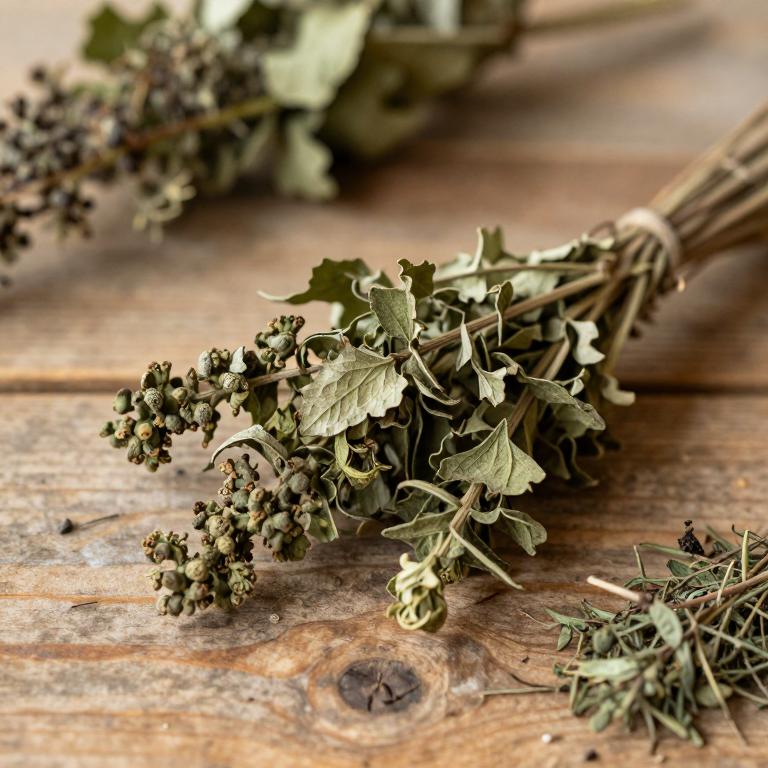
Alcea is a fascinating genus of plants renowned for its diverse range of therapeutic biological activities. This plant species is particularly valued for its potent antimicrobial and antioxidant properties. Its chemical profile is rich with bioactive compounds, including coumarins, flavonoids, pectins, and steroids. These specific constituents work together to provide significant health benefits under various oxidative conditions. Understanding the chemical makeup of Alcea offers great potential for advancements in natural pharmacology.
- Synonyms
- Not available
- Common names
- Not available
- Family
- Malvaceae
- Distribution
- Not available
- Plant Parts
- Not available
Classification
Common Names
Alcea is a versatile plant that is recognized by a wide variety of regional names across different cultures. It is frequently referred to by the common names Hatmi and Malwa in several traditional contexts. In other parts of the world, you might hear it called Piliarožė or the descriptive Rose trémière. It also carries the distinct name Salkoruusut in specific linguistic traditions. This diversity of nomenclature highlights the widespread global presence and popularity of this beautiful genus.
Sources: Catalogue of Life (COL)
Taxonomy
Alcea belongs to the vast kingdom Plantae, representing the diverse world of multicellular organisms. Within this kingdom, the plant is classified under the class Equisetopsida. It further falls into the order Malvales, which helps define its fundamental biological characteristics. As a member of the family Malvaceae, it shares structural traits with many other well-known flowering plants. Ultimately, Alcea is identified by its own specific genus, marking its unique place in the natural world.
| Rank | Classification |
|---|---|
| Kingdom | Plantae |
| Phylum | Streptophyta |
| Class | Equisetopsida |
| Subclass | Magnoliidae |
| Order | Malvales |
| Family | Malvaceae |
| Genus | Alcea |
Sources: The World Checklist of Vascular Plants (WCVP)
Distribution
Geographic Regions
Alcea exhibits a widespread distribution that primarily centers across the vast continent of Africa. Within this range, the genus is notably present throughout Northern Africa, specifically including regions such as Algeria and Egypt. Its reach extends significantly into Macaronesia, where it can be found inhabiting the unique landscapes of the Azores. Furthermore, the plant establishes itself across the Canary Islands and the lush terrain of Madeira. This diverse geographic spread highlights the plant's ability to thrive in various Atlantic and African environments.
Sources: The World Checklist of Vascular Plants (WCVP)
Identification
Biological Activities
Alcea species are recognized for their diverse biological properties, which make them highly valuable in various scientific applications. Research indicates that the genus possesses significant antimicrobial activity, offering potential benefits in combating various microorganisms. Additionally, these plants exhibit strong antioxidant effects, largely driven by a rich composition of phenolic acids and flavonoids. Studies on Iranian species have specifically highlighted how variations in phytochemical content contribute to these functional advantages. This extraordinary biological diversity suggests that Alcea remains a promising candidate for future breeding and medicinal exploitation programs.
Compounds
Alcea is a diverse genus of herbaceous plants within the Malvaceae family that possesses a complex phytochemical profile. Scientific analysis reveals that these plants are rich in beneficial compounds, including flavonoids and coumarins. Furthermore, the genus contains essential components such as pectins and steroids. The presence of tannins within the plant also contributes to its varied biological properties. Such a wide array of constituents highlights the significant potential of Alcea for various medicinal and breeding programs.
Conditions
Alcea possesses a variety of significant biological properties that contribute to its medicinal potential. The genus exhibits anti-estrogenic effects, which can be useful in specific therapeutic contexts. It also acts as an anti-inflammatory agent to help manage bodily swelling and irritation. Furthermore, Alcea provides antimicrobial benefits to combat various pathogens. Finally, the plant functions through antioxidant activity, enzyme inhibitory properties, and immunomodulatory effects.