Albizia lucida
Albizia lucida · Accepted scientific name
Scientific literature: Very Sparse (7 studies) · ★☆☆☆☆
, scientifically known as Albizia lucida, is a remarkable medicinal plant valued in traditional healing practices. Often found in tropical regions, this species is celebrated for its potent bioactive compounds. It is primarily utilized for its anti-inflammatory, antioxidant, and antimicrobial properties, offering significant therapeutic potential in modern herbal medicine.
- Family
- Fabaceae
- Native range
- Asia-Temperate
- Parts used
- Leaf
- Common names
- Not available
- Scientific synonyms
- Acacia Lucida · Feuilleea Lucida · 4 more
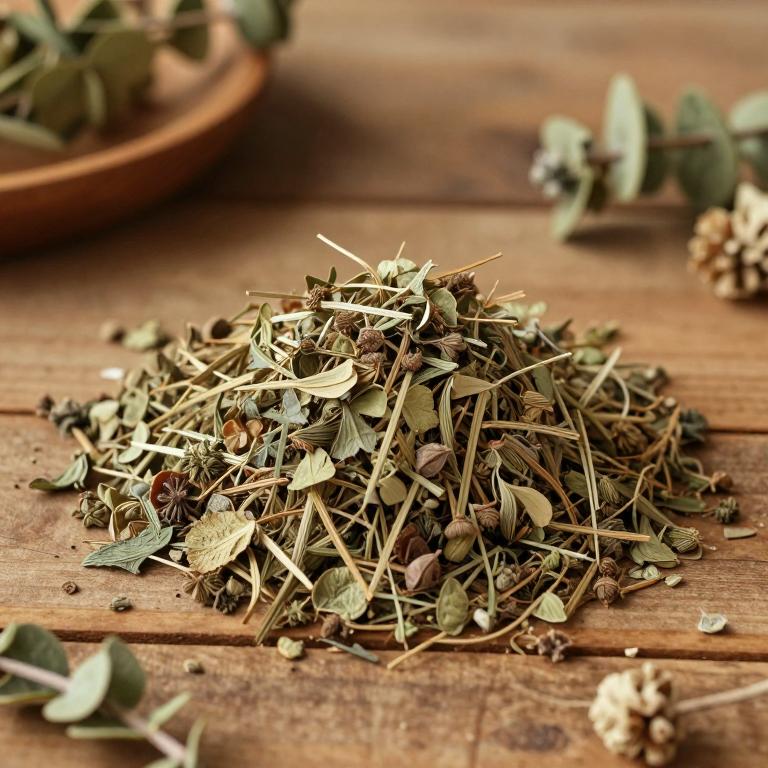
Names and Synonyms
Scientific Names
Accepted name
Albizia lucidaSynonyms
- Acacia lucida
- Feuilleea lucida
- Albizia lucidior
- Albizia gamblei
- Albizia bracteata
- Inga lucidior
Sources: Wikidata
Taxonomical Classification
This plant belongs to the kingdom Plantae and is classified under the phylum Streptophyta and class Equisetopsida. Within the subclass Magnoliidae, it falls under the order Fabales and the family Fabaceae. It is specifically identified as a member of the genus Albizia.
| Rank | Classification |
|---|---|
| Kingdom | Plantae |
| Phylum | Streptophyta |
| Class | Equisetopsida |
| Subclass | Magnoliidae |
| Order | Fabales |
| Family | Fabaceae |
| Genus | Albizia |
Sources: The World Checklist of Vascular Plants (WCVP)
Distribution
This plant exhibits a specific geographical range across several regions in Asia. Within China, its presence is noted in both the South-Central and Southeast territories. It can also be found in Eastern Asia, specifically on the island of Taiwan. Moving towards the Indian Subcontinent, the species is documented in the state of Assam. Additionally, its distribution extends to the neighboring country of Bangladesh.
| Region | Area |
|---|---|
| China | China South-Central |
| China | China Southeast |
| Eastern Asia | Taiwan |
| Indian Subcontinent | Assam |
| Indian Subcontinent | Bangladesh |
| Indian Subcontinent | East Himalaya |
| Indian Subcontinent | India |
| Indian Subcontinent | Nepal |
| Indian Subcontinent | Pakistan |
| Indian Subcontinent | West Himalaya |
Sources: The World Checklist of Vascular Plants (WCVP)
Plant Parts
Albizia lucida has 1 reported plant parts identified across 3 scientific publications and several other databases that are studied for medicinal purposes. The most consistently reported plant part include leaf.
| Plant part | Supporting sources | Consensus |
|---|---|---|
| Leaf | 3 supporting sources | ★★☆☆☆ |
Leaf
- Archiv der Pharmazie
- Molecules (Basel, Switzerland)
- Plants (Basel, Switzerland)
Chemicals
Albizia lucida has 4 reported phytochemicals identified across 3 scientific publications and several other databases. The most consistently reported chemicals include ERGOSTEROL, Flavonoids, Saponins, helvolic acid.
| Chemical | Supporting sources | Consensus |
|---|---|---|
| ERGOSTEROL | 1 supporting sources | ★☆☆☆☆ |
| Flavonoids | 1 supporting sources | ★☆☆☆☆ |
| Saponins | 1 supporting sources | ★☆☆☆☆ |
| helvolic acid | 1 supporting sources | ★☆☆☆☆ |
ERGOSTEROL
- Molecules (Basel, Switzerland)
Flavonoids
- Archiv der Pharmazie
Saponins
- Archiv der Pharmazie
helvolic acid
- Molecules (Basel, Switzerland)
Preparations
Albizia lucida has 2 reported preparations identified across 3 scientific publications and several other databases. The most consistently reported preparations include leaves, ethanolic extract.
| Preparation | Supporting sources | Consensus |
|---|---|---|
| Leaves | 2 supporting sources | ★☆☆☆☆ |
| Ethanolic extract | 1 supporting sources | ★☆☆☆☆ |
Leaves
- Archiv der Pharmazie
- Molecules (Basel, Switzerland)
Ethanolic extract
- Plants (Basel, Switzerland)