Ajuga
Ajuga · Accepted scientific name
Scientific literature: Very Sparse (17 studies) · ★☆☆☆☆
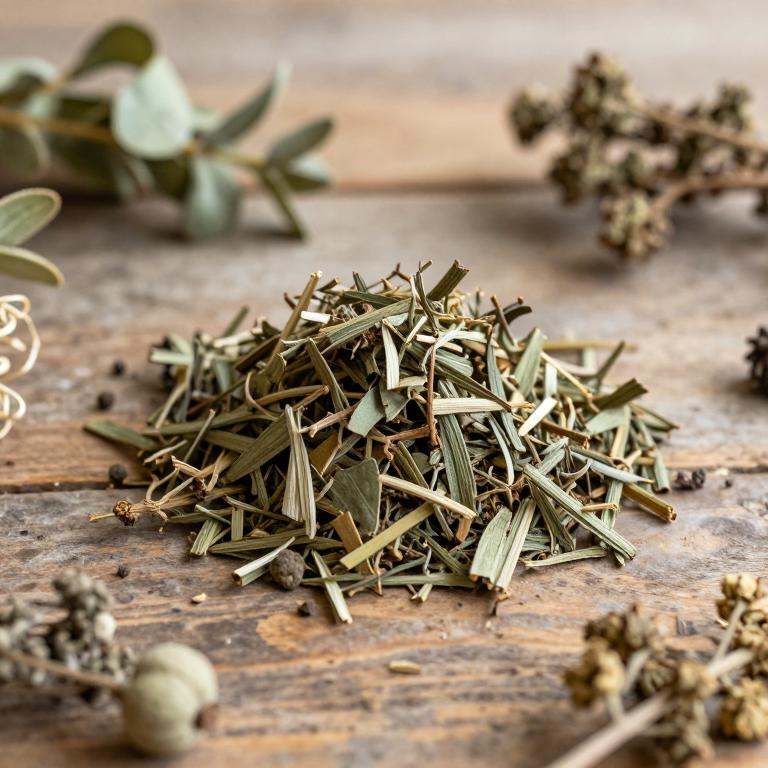
Ajuga is a versatile plant known for its diverse range of therapeutic activities, including anabolic, analgesic, anthelmintic, and antibacterial properties. A key chemical constituent found within the plant is chlorogenic acid, which contributes to its medicinal profile. Various preparations are utilized for treatment, most notably the use of its hairy roots. This plant is particularly effective in addressing medical conditions such as fever, dysentery, and various parasitic infections. Additionally, it serves as a helpful diuretic to support bodily functions.
- Synonyms
- Bulga · Bugula · 4 more
- Common names
- Not available
- Family
- Lamiaceae
- Distribution
- Asia-Tropical
- Plant Parts
- Not available
Classification
Common Names
Ajuga is a versatile genus of plants known by many different names across various cultures and languages. In English-speaking regions, it is most frequently referred by its common name, Bugles. In Poland, you will find it recognized as Dąbrówka, while in Turkey, it is known as Günsel. The plant also holds specific regional identities, such as Læbeløsslægten in Danish and Skrečnik in Slovenian. These diverse common names highlight the widespread global presence of this charming groundcover.
Sources: Catalogue of Life (COL)
Synonyms
Ajuga is a botanical genus that has historically been associated with several different taxonomic synonyms. Throughout various scientific texts, you may encounter this plant referred to as Abiga or Bugula. Other outdated classifications include the names Bulga and Chamaepitys in botanical literature. Additionally, the term Moscharia has been used in older studies to describe members of this group. Understanding these various synonyms is essential for accurately identifying the plant across different historical records.
Sources: The World Checklist of Vascular Plants (WCVP)
Taxonomy
Ajuga is a fascinating botanical subject that belongs to the vast kingdom Plantae. Within this diverse realm, the plant is classified under the class Equisetopsida. It further belongs to the specific order Lamiales, which helps define its biological characteristics. As a member of the Lamiaceae family, it shares common traits with many well-known aromatic herbs. Ultimately, this plant is defined by its unique identity within the genus Ajuga.
| Rank | Classification |
|---|---|
| Kingdom | Plantae |
| Phylum | Streptophyta |
| Class | Equisetopsida |
| Subclass | Magnoliidae |
| Order | Lamiales |
| Family | Lamiaceae |
| Genus | Ajuga |
Sources: The World Checklist of Vascular Plants (WCVP)
Distribution
Geographic Regions
Ajuga displays a diverse geographical range that spans several distinct regions across the African continent. Within East Tropical Africa, this plant is widely distributed throughout Kenya, Tanzania, and Uganda. Its presence also extends westward to the Macaronesia archipelago, establishing itself in unique island ecosystems. Specifically, populations can be found flourishing among the Canary Islands and across Cape Verde. This broad distribution highlights the plant's ability to adapt to varied environments across both mainland and oceanic territories.
Sources: The World Checklist of Vascular Plants (WCVP)
Identification
Biological Activities
Ajuga is a diverse genus of plants within the Lamiaceae family that holds significant medicinal importance across the globe. Research indicates that these plants possess a wide array of pharmacological properties derived from their complex chemical compounds. Specifically, the genus exhibits notable anabolic and analgesic activities that contribute to its traditional use in medicine. Furthermore, Ajuga has demonstrated effective antibacterial and antiestrogenic effects in various biological contexts. These plants also serve as potent anthelmintic agents, highlighting their extensive therapeutic potential.
Compounds
Ajuga oblongata L. stands out as a significant medicinal plant due to its impressive concentration of bioactive compounds. Research conducted in the Soran region of Iraqi Kurdistan has specifically identified the presence of chlorogenic acid within this species. This particular polyphenol reaches its peak concentration of 827.62 mg/kg during the post-flowering growth stage. The study highlights how these chemical profiles fluctuate, with antioxidant activity in the plant being highest during the flowering phase. Ultimately, understanding these specific relationships is essential for determining the optimal harvest times to maximize the plant's medicinal benefits.
Conditions
Ajuga plants serve as significant components in traditional medicine due to their diverse therapeutic properties. They are utilized as effective anthelmintic agents to treat various parasitic infections. Additionally, the genus provides anti-inflammatory benefits to help manage swelling and pain. These plants also exhibit important antifungal and antimycobacterial activities against different pathogens. Finally, Ajuga is recognized for its ability to treat diabetes through its hypoglycemic effects.
Preparations
Ajuga is prepared as hairy roots to facilitate the study of sterol and ecdysteroid biosynthesis. These specific hairy roots from Ajuga reptans var. atropurpurea produce various constituents, including cholesterol and 20-hydroxyecdysone. Researchers utilize these hairy roots in feeding studies with labeled substrates to map complex metabolic pathways. By using the hairy root system, scientists can trace the conversion of sterols into specific ecdysteroids. This preparation serves as a critical biological model for understanding the enzymatic mechanisms within the plant.