Ajuga chamaepitys subsp. chia
Ajuga chamaepitys subsp. chia · Accepted scientific name
Scientific literature: Very Sparse (0 studies) · ★☆☆☆☆
Ajuga chamaepitys subsp. chia is a distinctive botanical subspecies known for its unique morphological characteristics within the Lamiaceae family. This specific plant has garnered scientific interest due to its potential therapeutic properties and secondary metabolite profile. Researchers frequently focus on the preparation of aqueous extracts to isolate its bioactive compounds for further study. These water-based solutions serve as a primary method for exploring the plant's pharmacological potential in various biological assays. Understanding the efficacy of these extracts is essential for characterizing the medicinal value of this particular subspecies.
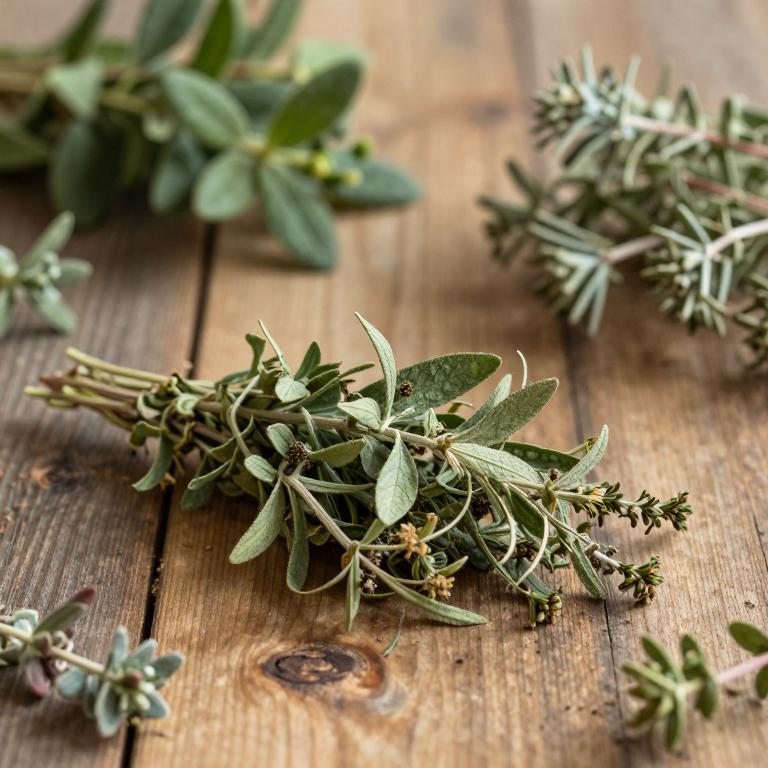
- Synonyms
- Ajuga Chia Var. Intermedia · Ajuga Chamaepitys F. Hirta · 15 more
- Common names
- Not available
- Family
- Lamiaceae
- Distribution
- Southern America
- Plant Parts
- Not available
Classification
Common Names
Ajuga chamaepitys subsp. chia is a distinctive plant recognized by a variety of regional names across different languages. In English-speaking areas, it is commonly referred to as Chios Ground-pine, while German speakers know it as Chios-Günsel. In Italy, the species is identified as Iva di Chio, reflecting its Mediterranean connections. Localized variations also exist in other regions, such as the name gulsuga. Finally, in Slavic contexts, it is identified by names like zbehovec úzkolistý chioský or zběhovec trojklaný olysalý.
Sources: Catalogue of Life (COL)
Synonyms
Ajuga chamaepitys subsp. chia is a complex taxon that is associated with several important taxonomic synonyms. Within botanical literature, this subspecies is frequently identified by the synonym Ajuga chamaepitys f. hirta. It is also linked to other variations, such as Ajuga chamaepitys subsp. ciliata and Ajuga chamaepitys var. chia. Furthermore, researchers may encounter the names Ajuga chamaepitys var. ciliata or Ajuga chamaepitys var. glabra when studying this specific group. Understanding these overlapping designations is essential for maintaining clarity in botanical classification.
Sources: The World Checklist of Vascular Plants (WCVP)
Taxonomy
Ajuga chamaepitys subsp. chia is a unique botanical specimen that belongs to the kingdom Plantae. Within this vast kingdom, the plant is classified under the class Equisetopsida. It further falls into the order Lamiales, which helps define its structural characteristics. As a member of the Lamiaceae family, it shares traits common to many aromatic herbs. Finally, this subspecies is identified by its specific placement within the genus Ajuga.
| Rank | Classification |
|---|---|
| Kingdom | Plantae |
| Phylum | Streptophyta |
| Class | Equisetopsida |
| Subclass | Magnoliidae |
| Order | Lamiales |
| Family | Lamiaceae |
| Genus | Ajuga |
Sources: The World Checklist of Vascular Plants (WCVP)
Distribution
Geographic Regions
Ajuga chamaepitys subsp. chia exhibits a broad geographical range primarily concentrated throughout the Asia-Temperate regions. This subspecies is notably prevalent across the Caucasus and Transcaucasus, establishing itself in these rugged terrains. Its presence extends further into Central Asia, specifically within the territories of Kazakhstan and Turkmenistan. Additionally, the plant can be found in Western Asia, reaching as far as the East Aegean Islands. Collectively, these distributions highlight the adaptable nature of this specific botanical variety across diverse Asian landscapes.
Sources: The World Checklist of Vascular Plants (WCVP)
Identification
Biological Activities
Compounds
Conditions
Ajuga chamaepitys subsp. chia demonstrates a capacity to treat full thickness wounds when applied as an aqueous extract. In a study using mice models, this plant was formulated within a Pluronic F127 dispersion to enhance its application properties. The extracts were applied to dorsal wounds at twelve-hour intervals over two successive days to evaluate their medicinal efficacy. While it showed healing activity, its performance was noted to be less effective than Inula viscosa and Parieteria diffusa. Despite being ranked in the middle of the tested plants, it still contributed to the observed wound healing process throughout the sixteen-day observation period.
Preparations
Ajuga chamaepitys subsp. chia is prepared as aqueous extracts to evaluate its potential wound healing effects. These extracts are formulated into a Pluronic F127 gel to modify their viscosity for topical application. In the study, the plant's extract is applied to full-thickness wounds on mice at twelve-hour intervals. Researchers monitor the healing process through visual observation and measurement of the wound area over sixteen days. Ultimately, the efficacy of this specific aqueous preparation is compared against other medicinal plant extracts to determine its wound healing activity.