Agrimonia
Agrimonia · Accepted scientific name
Scientific literature: Very Sparse (0 studies) · ★☆☆☆☆
Agrimonia is a versatile genus of plants known for containing beneficial compounds such as vitamin C. Both the leaf and the root are utilized in various traditional and therapeutic applications. Common medicinal preparations include Agrimoniae Herba and specialized plant extracts. These components are often studied for their unique chemical profiles and potential health benefits. Understanding the different parts and preparations of this plant is essential for its proper use.
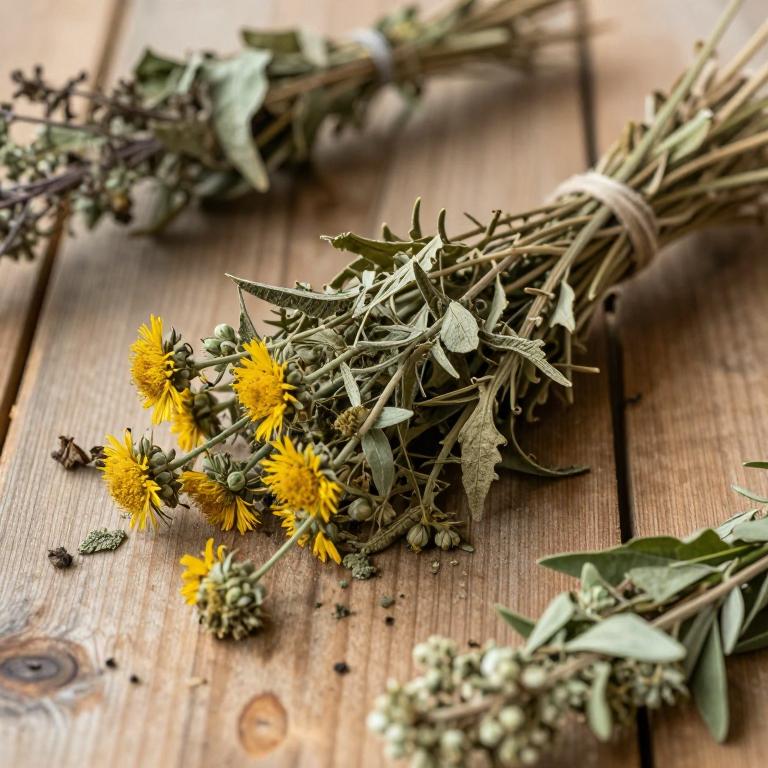
- Synonyms
- Agrimonoides · Amonia · 2 more
- Common names
- Not available
- Family
- Rosaceae
- Distribution
- Not available
- Plant Parts
- Leaf · Root
Classification
Common Names
Agrimonia is a versatile genus that is known by several distinct names depending on the linguistic context. In various regions, it is commonly referred to as Agermåne or simply as part of the Agermåneslægten group. You may also encounter it labeled as Agrimonia in formal botanical settings. Some people use the alternative spellings Agrimonie or Agrimonya when identifying the plant. Regardless of the specific name used, these terms all point to the same fascinating botanical family.
Sources: Catalogue of Life (COL)
Synonyms
Agrimonia is a genus that has historically been documented under several different botanical names. Throughout various taxonomic studies, it has been referred to by synonyms such as Agrimonioides and Agrimonoides. Other historical classifications have also utilized the names Amonia and Aremonia to describe the plant. Additionally, the term Spallanzania has been applied as a synonym within its scientific literature. Understanding these diverse naming conventions is essential for accurate identification in botanical research.
Sources: The World Checklist of Vascular Plants (WCVP)
Taxonomy
Agrimonia is a fascinating member of the kingdom Plantae that showcases the intricate beauty of the natural world. Within this vast biological realm, it belongs to the class Equisetopsida and the order Rosales. More specifically, the plant is classified under the family Rosaceae, which connects it to many other well-known flowering species. Its specific identity is further defined by its placement within the genus Agrimonia. Through these scientific classifications, one can better understand the unique evolutionary journey of this distinct plant.
| Rank | Classification |
|---|---|
| Kingdom | Plantae |
| Phylum | Streptophyta |
| Class | Equisetopsida |
| Subclass | Magnoliidae |
| Order | Rosales |
| Family | Rosaceae |
| Genus | Agrimonia |
Sources: The World Checklist of Vascular Plants (WCVP)
Distribution
Geographic Regions
Agrimonia is a genus with a broad distribution spanning across the African continent and the Macaronesian islands. Its presence is particularly notable within the Atlantic archipelagos, including the Azores, Madeira, and the Canary Islands. In the African mainland, the plant is widely distributed, with specific strongholds found throughout Northern Africa. Regional populations are well-established in territories such as Algeria and Morocco. This widespread geographic range highlights the adaptability of the genus across diverse Mediterranean and subtropical environments.
Sources: The World Checklist of Vascular Plants (WCVP)
Identification
Biological Activities
Compounds
Conditions
Preparations
Agrimonia species serve as the authentic botanical sources used to prepare Agrimoniae Herba for traditional medicinal purposes. These plants are also utilized to produce various plant extracts that contain bioactive constituents. For instance, extracts from species such as Agrimonia coreana have been studied for their ability to inhibit CRAC activity in T cells. The preparation of Agrimoniae Herba requires precise species identification to ensure the quality and safety of the herbal product. Ultimately, both the prepared herb and the derived plant extracts represent key medicinal applications of the Agrimonia genus.
Parts used
Agrimonia species are widely distributed throughout temperate regions and serve significant roles in traditional medicine across Asia and Europe. Identifying these plants accurately can be difficult because their vegetative parts are often morphologically similar. Specifically, the leaves and roots of different species frequently exhibit high levels of visual similarity. This morphological overlap makes it challenging to distinguish between species based solely on these physical structures. Consequently, advanced molecular tools are necessary to ensure the correct authentication of these vital medicinal resources.