Agrimonia pilosa var. pilosa
Agrimonia pilosa var. pilosa · Accepted scientific name
Scientific literature: Very Sparse (0 studies) · ★☆☆☆☆
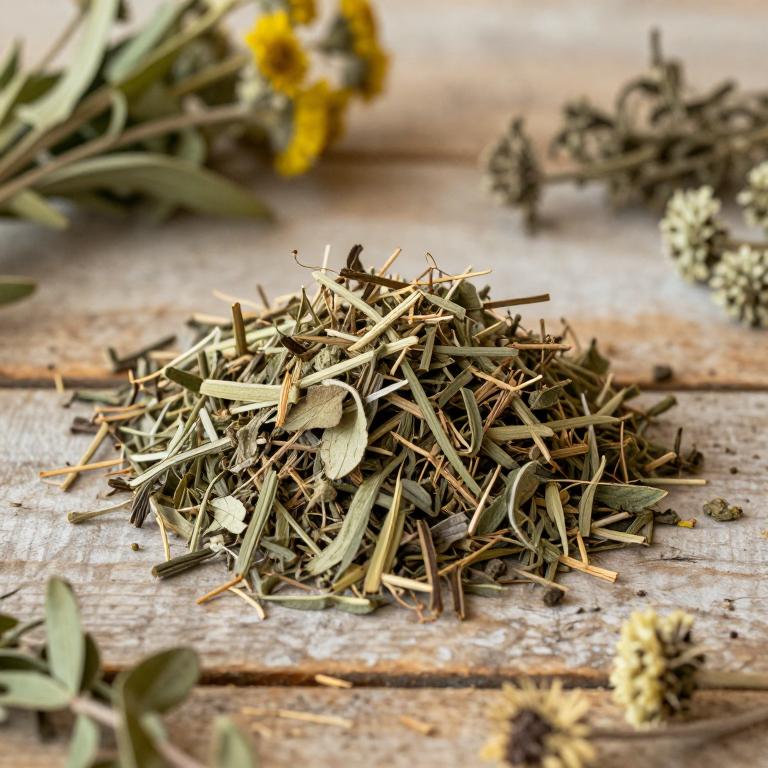
Agrimonia pilosa var. pilosa is a notable botanical species recognized for its unique chemical composition. This plant is characterized by the presence of essential metallic elements, including copper, iron, manganese, and zinc. In various traditional practices, it is frequently utilized through the preparation of boiling water extracts. These decoctions allow for the efficient release of the plant's bioactive properties. Understanding its chemical profile and preparation methods is key to exploring its potential applications.
- Synonyms
- Agrimonia Pilosa Var. Japonica · Agrimonia Japonica · 33 more
- Common names
- Not available
- Family
- Rosaceae
- Distribution
- Not available
- Plant Parts
- Not available
Classification
Common Names
Agrimonia pilosa var. pilosa is a unique plant that carries distinct names across different cultures. In Finland, it is widely recognized by its common name suppuidänverijuuri. Moving to East Asia, the plant is known by the Japanese name キンミズヒキ. These diverse regional designations highlight the global presence and cultural significance of this species. Understanding these linguistic relationships helps botanists and enthusiasts connect with the plant's identity worldwide.
Sources: Catalogue of Life (COL)
Synonyms
Agrimonia pilosa var. pilosa is a botanical taxon that is frequently associated with several different scientific names due to various taxonomic revisions. Within botanical literature, it is recognized as a synonym for Agrimonia convergens as well as Agrimonia dahurica. The plant's classification also encompasses the specific variety known as Agrimonia dahurica var. glabrata. Furthermore, researchers often link this variety to the subspecies Agrimonia eupatoria subsp. dahurica. Finally, it is officially documented as synonymous with Agrimonia eupatoria subsp. daurica in many taxonomic databases.
Sources: The World Checklist of Vascular Plants (WCVP)
Taxonomy
Agrimonia pilosa var. pilosa is a distinctive plant that belongs to the vast kingdom Plantae. Within this biological kingdom, it is classified under the class Equisetopsida. Its taxonomic journey continues through the order Rosales, which helps define its evolutionary lineage. Further narrowing its identity, the species is a member of the Rosaceae family. Ultimately, it is categorized under the specific genus Agrimonia, marking its unique place in the natural world.
| Rank | Classification |
|---|---|
| Kingdom | Plantae |
| Phylum | Streptophyta |
| Class | Equisetopsida |
| Subclass | Magnoliidae |
| Order | Rosales |
| Family | Rosaceae |
| Genus | Agrimonia |
Sources: The World Checklist of Vascular Plants (WCVP)
Distribution
Geographic Regions
Agrimonia pilosa var. pilosa is a plant species with a broad geographic presence across several key regions of Asia-Temperate. Its natural distribution extends through the Caucasus and Transcaucasus, highlighting its resilience in these diverse landscapes. The variety is also frequently found within Central Asia, specifically throughout the territory of Kazakhstan. In the vast expanse of China, it thrives across both the North-Central and South-Central provinces. This widespread range demonstrates the plant's ability to adapt to various environmental conditions throughout the continent.
Sources: The World Checklist of Vascular Plants (WCVP)
Identification
Biological Activities
Compounds
Conditions
Preparations
Agrimonia pilosa var. pilosa is prepared as boiling water extracts to facilitate the study of its chemical composition. Research involving these extracts focuses on determining the concentrations of specific trace elements within the plant material. While the boiling water extraction process yields specific amounts of minerals, the presence of elements like Cu, Zn, Fe, and Mn can change significantly after digestion. Studies show that the levels of these trace elements in the extracts may decrease as the extraction time increases. Ultimately, analyzing these boiling water extracts provides essential data regarding the elemental ratios present in the medicinal plant.