Agrimonia eupatoria subsp. asiatica
Agrimonia eupatoria subsp. asiatica · Accepted scientific name
Scientific literature: Very Sparse (3 studies) · ★☆☆☆☆
scientifically known as Agrimonia eupatoria subsp. asiatica, is a versatile medicinal herb native to various Asian regions. Renowned for its therapeutic properties, this subspecies is traditionally used to treat respiratory ailments, digestive issues, and inflammation. Its unique chemical profile offers significant potential for modern pharmacological research and herbal wellness.
- Family
- Rosaceae
- Native range
- Europe
- Parts used
- Leaf
- Common names
- Not available
- Scientific synonyms
- Agrimonia Asiatica
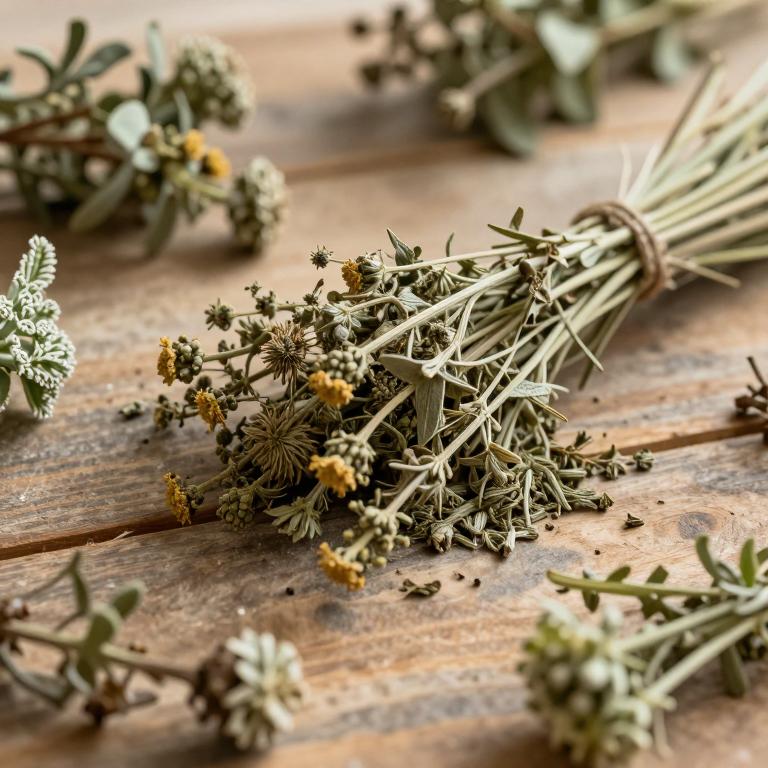
Names and Synonyms
Scientific Names
Accepted name
Agrimonia eupatoria subsp. asiaticaSynonyms
- Agrimonia asiatica
Sources: Wikidata
Taxonomical Classification
This plant belongs to the kingdom Plantae and the phylum Streptophyta. Within the class Equisetopsida and subclass Magnoliidae, it is classified under the order Rosales and the family Rosaceae. Finally, it is identified by the genus Agrimonia as the subspecies asiatica.
| Rank | Classification |
|---|---|
| Kingdom | Plantae |
| Phylum | Streptophyta |
| Class | Equisetopsida |
| Subclass | Magnoliidae |
| Order | Rosales |
| Family | Rosaceae |
| Genus | Agrimonia |
Sources: The World Checklist of Vascular Plants (WCVP)
Distribution
This plant exhibits a broad geographical distribution spanning across several key regions of Eurasia. In Eastern Europe, its presence is noted throughout East European Russia. The species also extends deep into Siberia, specifically inhabiting the Altay and West Siberia regions. Moving into Central Asia, the plant can be found growing within the borders of Kazakhstan. Finally, its range reaches into Kirgizstan, completing its presence across these diverse territories.
| Region | Area |
|---|---|
| Eastern Europe | East European Russia |
| Siberia | Altay |
| Siberia | West Siberia |
| Central Asia | Kazakhstan |
| Central Asia | Kirgizstan |
| Central Asia | Turkmenistan |
| Central Asia | Tadzhikistan |
| Central Asia | Uzbekistan |
| Caucasus | North Caucasus |
| Caucasus | Transcaucasus |
Sources: The World Checklist of Vascular Plants (WCVP)
Plant Parts
Agrimonia eupatoria subsp. asiatica has 1 reported plant parts identified across 1 scientific publications and several other databases that are studied for medicinal purposes. The most consistently reported plant part include leaf.
| Plant part | Supporting sources | Consensus |
|---|---|---|
| Leaf | 1 supporting sources | ★☆☆☆☆ |
Leaf
- Functional plant biology : FPB
Chemicals
Agrimonia eupatoria subsp. asiatica has 2 reported phytochemicals identified across 1 scientific publications and several other databases. The most consistently reported chemicals include Hydrolyzable Tannins, Proanthocyanidins.
| Chemical | Supporting sources | Consensus |
|---|---|---|
| Hydrolyzable Tannins | 1 supporting sources | ★☆☆☆☆ |
| Proanthocyanidins | 1 supporting sources | ★☆☆☆☆ |
Hydrolyzable Tannins
- Functional plant biology : FPB
Proanthocyanidins
- Functional plant biology : FPB