Ageratina petiolaris
Ageratina petiolaris · Accepted scientific name
Scientific literature: Very Sparse (1 studies) · ★☆☆☆☆
Ageratina petiolaris is a botanical species that has gained significant scientific interest due to its potential antihyperglycemic activities. Research indicates that various preparations, including aqueous and methanol extracts, contain bioactive compounds such as chlorogenic acid and L-chiro-inositol. These chemical constituents are being studied for their ability to mitigate metabolic complications like hyperglycemia and hypertriglyceridemia. Consequently, the plant shows promise as a natural therapeutic agent for managing conditions associated with Type 2 Diabetes. Understanding these pharmacological properties is essential for exploring its role in modern metabolic health interventions.
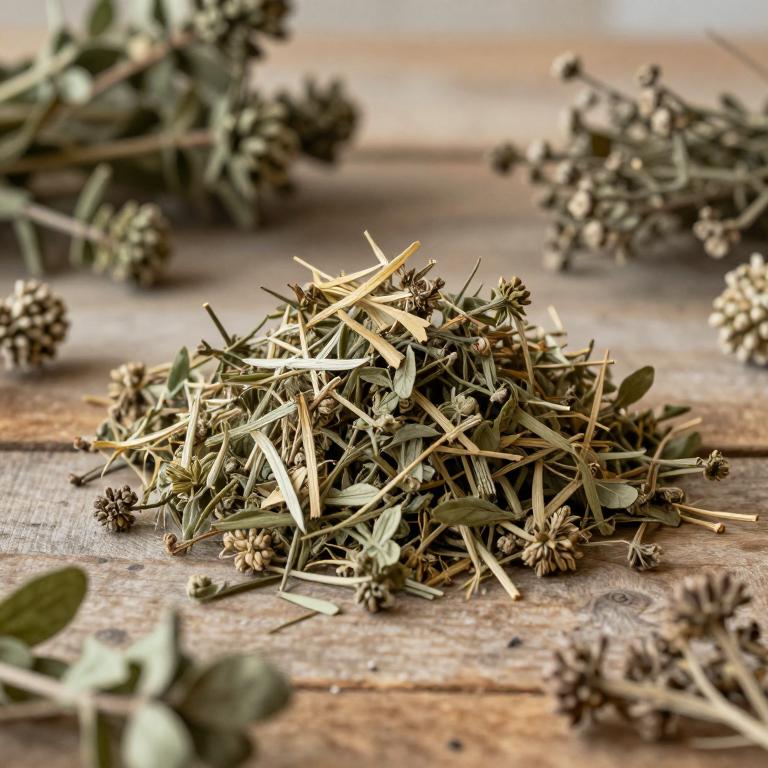
- Synonyms
- Bustamenta Cordata · Eupatorium Petiolare
- Common names
- Not available
- Family
- Asteraceae
- Distribution
- Not available
- Plant Parts
- Not available
Classification
Common Names
Ageratina petiolaris is a plant that is widely recognized by its common name, amargocilla. This species plays a distinctive role within its natural ecosystem due to its unique growth patterns. Many local communities identify it by this name when discussing its presence in the wild. Understanding its botanical identity helps enthusiasts connect more deeply with its specific environmental needs. Consequently, learning about amargocilla provides valuable insight into the diverse world of regional flora.
Sources: Catalogue of Life (COL)
Synonyms
Ageratina petiolaris is a botanical species known by several different names within scientific literature. It is formally recognized through its various synonyms, which can sometimes cause confusion for researchers. One such recognized synonym for this plant is Bustamenta cordata. Additionally, the species is also identified in some taxonomic records as Eupatorium petiolare. Understanding these overlapping botanical names is essential for accurate identification and study.
Sources: The World Checklist of Vascular Plants (WCVP)
Taxonomy
Ageratina petiolaris is a fascinating specimen that belongs to the vast kingdom Plantae. Within this biological realm, it is classified under the class Equisetopsida. The plant is further organized into the order Asterales, showcasing its evolutionary connections. It is a member of the diverse genus Ageratina, which helps researchers identify its unique traits. Finally, this species is firmly rooted in the Asteraceae family, a group known for its complex floral structures.
| Rank | Classification |
|---|---|
| Kingdom | Plantae |
| Phylum | Streptophyta |
| Class | Equisetopsida |
| Subclass | Magnoliidae |
| Order | Asterales |
| Family | Asteraceae |
| Genus | Ageratina |
Sources: The World Checklist of Vascular Plants (WCVP)
Distribution
Geographic Regions
Ageratina petiolaris maintains an extensive presence across Northern America and throughout much of Mexico. Its geographic reach is particularly notable within the Mexican landscape, spanning from the Northeast to the Southwest. The species is also widely established in the Gulf regions and the central territories of Mexico. This broad distribution demonstrates the plant's ability to thrive in various diverse ecological zones. Consequently, it remains a widespread and significant component of the regional flora across these connected areas.
Sources: The World Checklist of Vascular Plants (WCVP)
Identification
Morphology
Ageratina petiolaris exhibits a shrub-like growth form that allows it to establish a presence in its habitat. As a self-supporting plant, it maintains its structural integrity without the need for external assistance.
Sources: Global Inventory of Floras and Traits (GIFT)
Biological Activities
Ageratina petiolaris has demonstrated significant antihyperglycemic activity in recent pharmacological evaluations. In a study involving hyperglycemic Wistar rats, aqueous extracts of this Mexican medicinal plant were administered daily over a 42-day period. The research revealed that the extract significantly reduced nonfasting blood glucose levels by 33% compared to baseline. Furthermore, the treatment successfully prevented increases in glycated hemoglobin and helped diminish blood triglyceride levels. These findings provide vital scientific evidence supporting the long-term efficacy of A. petiolaris in managing chronic hyperglycemia.
Compounds
Ageratina petiolaris is a medicinal plant traditionally used in Mexico to help manage the symptoms of type 2 diabetes. Scientific investigations into its phytochemical composition have revealed that the plant contains several important bioactive compounds. Specifically, researchers isolated chlorogenic acid and L-chiro-inositol as key constituents found within both the aqueous and methanolic extracts. Among these, L-chiro-inositol has been identified as a component with significant hypoglycemic activity. These findings provide a strong scientific basis for the traditional use of the plant in reducing blood glucose levels.
Conditions
Ageratina petiolaris is traditionally used in Mexico to treat diabetes and type 2 diabetes (T2D). Research indicates that the plant effectively treats hyperglycemia by reducing nonfasting blood glucose and inhibiting hepatic glucose production. Additionally, its extracts have been shown to treat hypertriglyceridemia by diminishing blood triglyceride levels. Beyond metabolic benefits, pharmacological evidence supports the use of Ageratina petiolaris for treating gastrointestinal complaints.
Preparations
Ageratina petiolaris is prepared as aqueous extract and methanol extract to investigate its potential hypoglycemic effects. Research specifically utilizes Ageratina petiolaris prepared as water extract and methanolic extracts to assess blood glucose reduction in diabetic models. These various forms, including Ageratina petiolaris prepared as extracts, are used to study the plant's ability to inhibit hepatic glucose production. The efficacy of the plant is demonstrated through the administration of both the water extract and the methanol extract. Ultimately, the chemical constituents identified in these different preparations support the traditional medicinal use of the plant for treating diabetes.