Agave vivipara
Agave vivipara · Accepted scientific name
Scientific literature: Very Sparse (5 studies) · ★☆☆☆☆
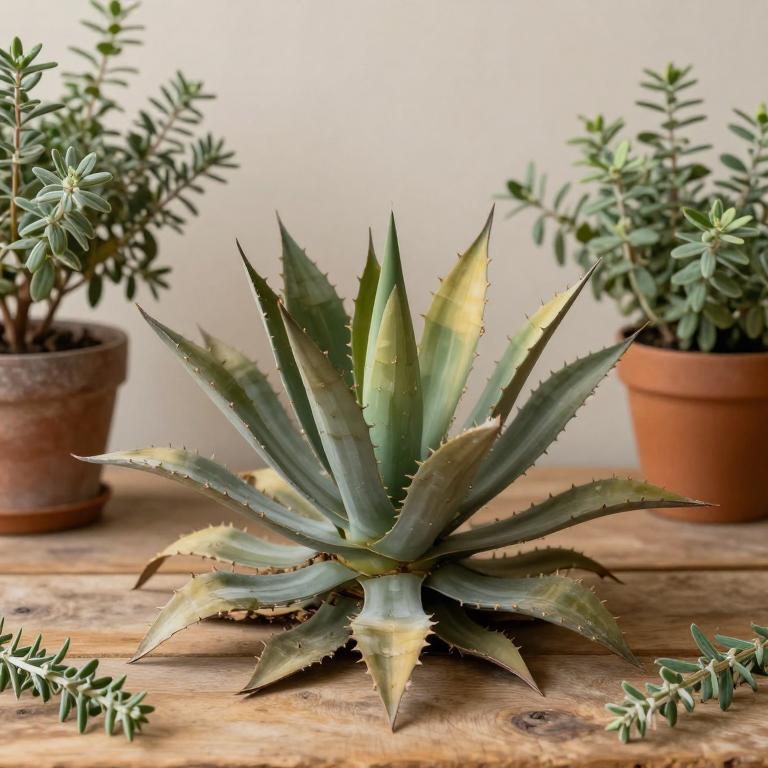
Agave vivipara, scientifically known as Agave vivipara, is a fascinating succulent renowned for its unique reproductive strategy of producing plantlets on its flowering stalk. Highly valued in traditional medicine, this resilient species offers diverse therapeutic properties, making it a significant subject of ethnobotanical study and natural pharmacology.
- Family
- Not available
- Native range
- Africa
- Parts used
- Fruit
- Common names
- Not available
- Scientific synonyms
- Not available
Names and Synonyms
Scientific Names
Accepted name
Agave viviparaDistribution
This plant exhibits a diverse geographical range that spans across two distinct major regions. In the Atlantic, its distribution includes the Macaronesian territory of the Canary Islands. Moving toward Asia, it is widely found across the Indian Subcontinent. Specifically, it inhabits several key areas such as Assam, Bangladesh, and India. Finally, its presence extends further north into the mountainous landscapes of Nepal.
| Region | Area |
|---|---|
| Macaronesia | Canary Is. |
| Indian Subcontinent | Assam |
| Indian Subcontinent | Bangladesh |
| Indian Subcontinent | India |
| Indian Subcontinent | Nepal |
| Indian Subcontinent | Pakistan |
| Caribbean | Aruba |
| Caribbean | Netherlands Antilles |
Sources: The World Checklist of Vascular Plants (WCVP)
Plant Parts
Agave vivipara has 1 reported plant parts identified across 1 scientific publications and several other databases that are studied for medicinal purposes. The most consistently reported plant part include fruit.
| Plant part | Supporting sources | Consensus |
|---|---|---|
| Fruit | 1 supporting sources | ★☆☆☆☆ |
Fruit
- Phytochemistry
Chemicals
Agave vivipara has 3 reported phytochemicals identified across 1 scientific publications and several other databases. The most consistently reported chemicals include Agaveside A, Agaveside B, Agaveside D.
| Chemical | Supporting sources | Consensus |
|---|---|---|
| Agaveside A | 1 supporting sources | ★☆☆☆☆ |
| Agaveside B | 1 supporting sources | ★☆☆☆☆ |
| Agaveside D | 1 supporting sources | ★☆☆☆☆ |
Agaveside A
- Phytochemistry
Agaveside B
- Phytochemistry
Agaveside D
- Phytochemistry
Preparations
Agave vivipara has 1 reported preparations identified across 1 scientific publications and several other databases. The most consistently reported preparations include fruits.
| Preparation | Supporting sources | Consensus |
|---|---|---|
| Fruits | 1 supporting sources | ★☆☆☆☆ |
Fruits
- Phytochemistry