Agastache mexicana subsp. mexicana
Agastache mexicana subsp. mexicana · Accepted scientific name
Scientific literature: Very Sparse (1 studies) · ★☆☆☆☆
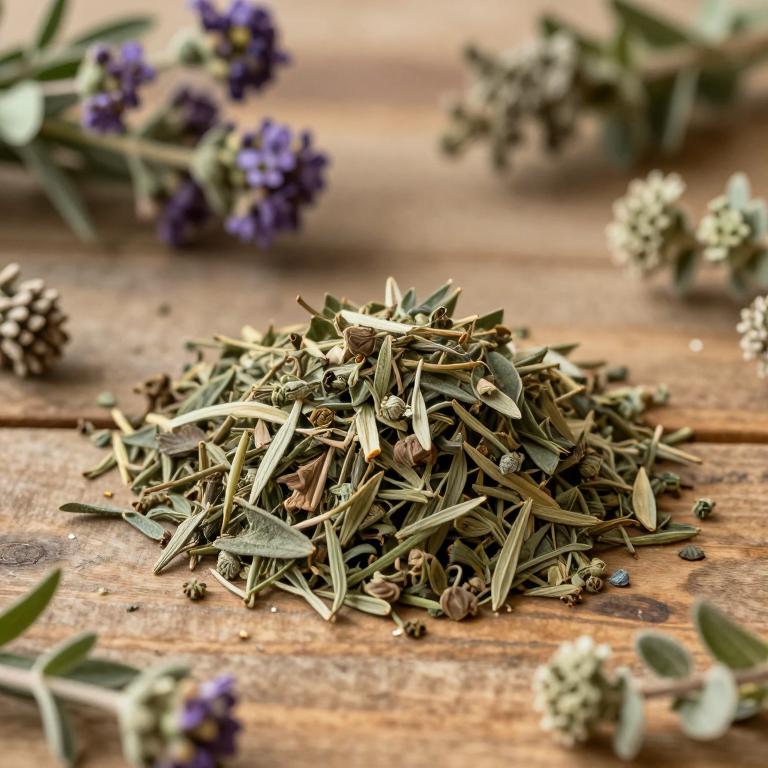
Agastache mexicana subsp. mexicana is a captivating perennial herb native to the diverse landscapes of Mexico. Renowned for its aromatic foliage and vibrant floral displays, this plant serves as a vital resource in traditional botanical studies. Beyond its ornamental beauty, the species is highly regarded for its specific medicinal properties. Most notably, it exhibits significant spasmolytic activities that help soothe muscular contractions. This combination of aesthetic appeal and therapeutic potential makes it a subject of great interest to both gardeners and researchers.
- Synonyms
- Brittonastrum Betonicoides · Gardoquia Betonicoides
- Common names
- Not available
- Family
- Not available
- Distribution
- Not available
- Plant Parts
- Not available
Classification
Synonyms
Agastache mexicana subsp. mexicana is a botanical entity that is frequently identified by several different scientific names. In various taxonomic records, this specific subspecies is recognized by the synonym Brittonastrum betonicoides. Furthermore, researchers and botanists may also encounter it listed under the name Gardoquia betonicoides. These overlapping designations highlight the complex history of plant classification and nomenclature. Understanding these synonym relationships is essential for ensuring accurate identification in both field studies and herbarium collections.
Sources: The World Checklist of Vascular Plants (WCVP)
Distribution
Geographic Regions
Agastache mexicana subsp. mexicana is a resilient plant with a broad geographic footprint across Northern America. Its native range spans extensively throughout Mexico, establishing itself in diverse ecological zones. Specifically, the subspecies thrives within the central regions of the country, reaching into the Gulf areas as well. It also maintains a significant presence in the northeast and the rugged landscapes of the southwest. This wide distribution highlights the plant's adaptability to various Mexican climates and environments.
Sources: The World Checklist of Vascular Plants (WCVP)
Identification
Biological Activities
Agastache mexicana subsp. mexicana possesses significant spasmolytic activity that can be utilized to treat gastrointestinal spasms. In traditional Mexican folk medicine, this subspecies is often combined with others to create a mixture known as the "three toronjiles." Research indicates that while the aqueous extracts of this plant effectively diminish contractions in guinea-pig ileum, the addition of certain other species can actually interfere with these benefits. Specifically, adding Dracocephalum moldavica to the mixture can diminish or even completely block the plant's inhibitory effects. These findings highlight how combining medicinal plants can sometimes create pharmacological disadvantages rather than enhancing their individual therapeutic properties.
Compounds
Conditions
Agastache mexicana subsp. mexicana demonstrates significant spasmolytic activity by treating gastrointestinal spasms. Research shows that its aqueous extracts diminish contractions induced by acetylcholine (ACh) in a dose-dependent manner. Additionally, the plant effectively treats contractions induced by electrical field stimulation (EFS). It also acts to treat contractions induced by potassium chloride (KCl). These medicinal properties suggest the plant's potential to relieve various gastrointestinal diseases in humans.