Aframomum exscapum
Aframomum exscapum · Accepted scientific name
Scientific literature: Very Sparse (0 studies) · ★☆☆☆☆
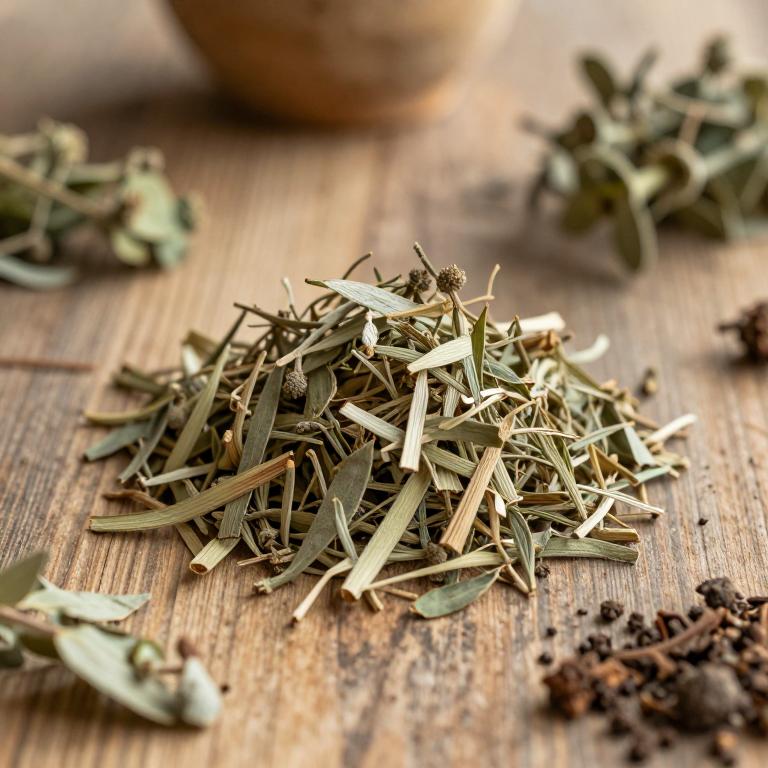
Aframomum exscapum is a botanical species that has garnered significant scientific interest due to its diverse pharmacological potential. Research into this plant often focuses on how its bioactive compounds interact with key metabolic enzymes, specifically CYP3A4 and CYP3A5. Studies frequently evaluate these interactions through various delivery methods, including traditional teas and more concentrated ethanolic extracts. Understanding these enzymatic pathways is crucial for determining how the plant may influence drug metabolism in the human body. Consequently, exploring the chemical profile of Aframomum exscapum provides essential insights into its potential as both a therapeutic agent and a metabolic modulator.
- Synonyms
- Amomum Cuspidatum · Amomum Exscapum · 4 more
- Common names
- Not available
- Family
- Zingiberaceae
- Distribution
- Europe
- Plant Parts
- Not available
Classification
Synonyms
Aframomum exscapum is a botanical species known to be associated with several different scientific names. Within taxonomic records, it is frequently identified by the synonym Aframomum cuspidatum. The plant is also linked to Aframomum leonense, reflecting the complexity of its classification history. Furthermore, it shares nomenclature with various Amomum species, including Amomum cuspidatum and Amomum exscapum. Finally, the name Amomum grandiflorum serves as another recognized synonym for this particular plant.
Sources: The World Checklist of Vascular Plants (WCVP)
Taxonomy
Aframomum exscapum is a fascinating botanical specimen that belongs to the kingdom Plantae. Within this vast kingdom, it is classified under the class Equisetopsida. This plant is further organized into the order Zingiberales, showcasing its specific evolutionary lineage. It is a prominent member of the genus Aframomum, which defines its unique structural characteristics. Ultimately, its botanical identity is solidified by its placement within the Zingiberaceae family.
| Rank | Classification |
|---|---|
| Kingdom | Plantae |
| Phylum | Streptophyta |
| Class | Equisetopsida |
| Subclass | Magnoliidae |
| Order | Zingiberales |
| Family | Zingiberaceae |
| Genus | Aframomum |
Sources: The World Checklist of Vascular Plants (WCVP)
Distribution
Geographic Regions
Aframomum exscapum is a plant species with a diverse geographical presence spanning multiple continents. In Africa, its distribution is concentrated within West Tropical Africa, specifically across regions such as Guinea, Liberia, and Sierra Leone. The species is also firmly established in the Ivory Coast, highlighting its importance to the local West African landscape. Beyond the African continent, its range extends into Southern America and the Caribbean. Specifically, it can be found thriving within the Windward Islands, showcasing a remarkable ability to inhabit various tropical environments.
Sources: The World Checklist of Vascular Plants (WCVP)
Identification
Morphology
Aframomum exscapum is a self-supporting herb characterized by its distinct growth form. This botanical species typically reaches a modest stature within its natural habitat. Depending on environmental conditions, its height generally ranges from a minimum of 1.22 meters to a maximum of approximately 1.83 meters. Such dimensions allow it to thrive effectively while maintaining its upright structure.
Sources: Global Inventory of Floras and Traits (GIFT)
Biological Activities
Compounds
Conditions
Aframomum exscapum exhibits significant inhibitory effects on the human cytochrome P450 3A subfamily. Specifically, this plant acts to treat the activity of the CYP3A4 enzyme. It also demonstrates a clear relationship in treating the CYP3A5 enzyme through its extracts. Furthermore, the plant provides a mechanism for treating the CYP3A7 enzyme in vitro. These interactions highlight its capacity to affect the main three enzymes of this specific subfamily.
Preparations
Aframomum exscapum is utilized in various forms for medicinal and dietary purposes within West Africa. This specific plant is frequently prepared as teas to serve as a botanical product. Additionally, it is processed into ethanolic extracts for evaluation in scientific studies. These different preparations allow researchers to examine the plant's potential effects on human cytochrome P450 enzymes. By utilizing both teas and ethanolic extracts, the biological activity of the species can be thoroughly assessed.