Aesculus glabra
Aesculus glabra · Accepted scientific name
Scientific literature: Very Sparse (3 studies) · ★☆☆☆☆
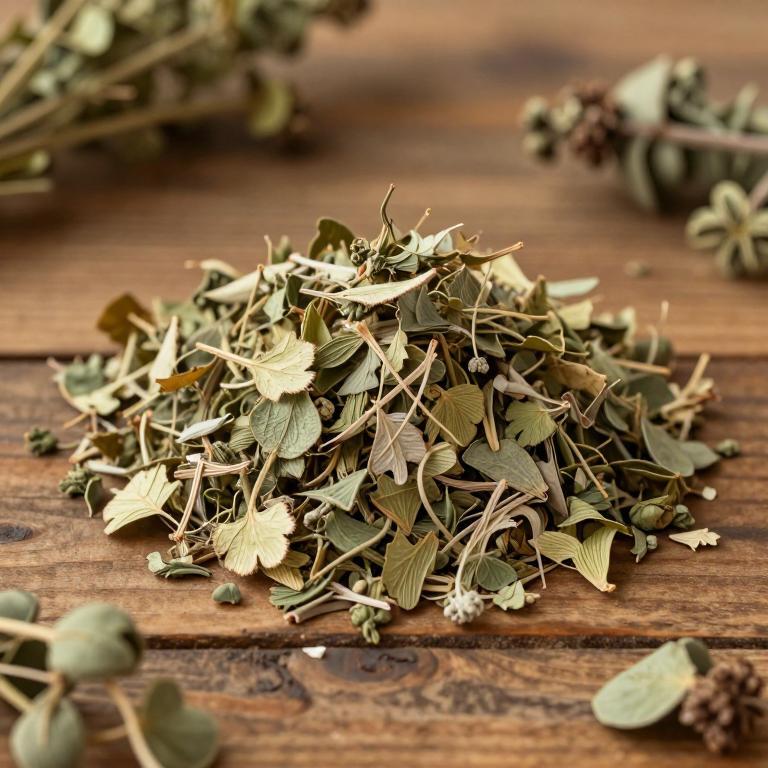
, scientifically known as Aesculus glabra, is the Smooth Buckeye, a deciduous shrub or small tree native to North America. Renowned for its distinctive palmate leaves and upright flower panicles, it holds significant ethnobotanical value. This plant is frequently studied for its unique chemical properties and potential medicinal applications.
- Family
- Not available
- Native range
- Europe
- Parts used
- Leaf
- Common names
- Not available
- Scientific synonyms
- Not available
Names and Synonyms
Scientific Names
Accepted name
Aesculus glabraDistribution
This plant exhibits a diverse geographical distribution that spans across multiple continents. In North America, it can be found growing in the eastern region of Canada, specifically within Ontario. Its range extends significantly into the North-Central United States, where it is documented in Illinois, Iowa, and Kansas. Beyond the American continent, the species also establishes itself in Middle Europe, particularly in Germany. Consequently, the presence of Aesculus glabra reflects a wide environmental adaptability across these various territories.
| Region | Area |
|---|---|
| Middle Europe | Germany |
| Eastern Canada | Ontario |
| North-Central U.S.A. | Illinois |
| North-Central U.S.A. | Iowa |
| North-Central U.S.A. | Kansas |
| North-Central U.S.A. | Minnesota |
| North-Central U.S.A. | Missouri |
| North-Central U.S.A. | Nebraska |
| North-Central U.S.A. | Oklahoma |
| Northeastern U.S.A. | Indiana |
Sources: The World Checklist of Vascular Plants (WCVP)
Botanical Identification
Life history
The life history of Aesculus glabra is characterized by its status as a perennial species, allowing it to persist in the ecosystem through multiple growing seasons. As a long-lived woody plant, it follows a developmental cycle that begins with seed germination, often requiring specific environmental cues to establish a root system capable of supporting its eventual canopy growth. Throughout its life, the plant undergoes seasonal physiological changes, entering periods of dormancy during colder months and re-activating its metabolic processes as temperatures rise. Its perennial nature ensures that it can invest significant energy into structural growth, reproductive development, and the production of its characteristic flowering structures and seeds over many years, contributing to the long-term stability of its native habitats.
- Lifecycle :
- perennial
Morphology
The morphology of Aesculus glabra is characterized by its stature as a woody tree, reaching an average height of approximately 17.97 m. As a self-supporting plant, it does not exhibit climbing habits such as vines or lianas, nor does it function as an epiphyte or a parasite, maintaining an independent growth habit. Its ecological positioning is strictly terrestrial, distinguishing it from aquatic or semiaquatic species. The structural integrity of the plant is defined by its woody composition, which supports its significant vertical development in its natural habitat.
- Aquatic :
- terrestrial
- Climber :
- self-supporting
- Epiphyte :
- terrestrial
- Growth form :
- tree
- Parasite :
- independent
- Plant height mean:
- 17.97 m
- Woodiness :
- woody
Physiology
The physiology of Aesculus glabra is characterized by a C3 photosynthetic pathway, a metabolic strategy typical of most temperate deciduous woody species that involves the direct fixation of atmospheric carbon dioxide through the enzyme RuBisCO within the mesophyll cells. This carbon fixation process occurs during the Calvin cycle, where CO2 is incorporated into three-carbon molecules, facilitating the production of carbohydrates necessary for growth, starch storage, and secondary metabolite synthesis. The plant's physiological efficiency is heavily dependent on its ability to manage gas exchange and transpiration through its stomatal regulation, which is crucial for maintaining turgor pressure and optimizing water-use efficiency in its native habitats. Furthermore, its metabolic processes are closely linked to seasonal phenology, where the rate of photosynthesis and nutrient translocation fluctuates in response to temperature gradients and photoperiod changes, driving the seasonal cycles of leaf emergence, biomass accumulation, and dormancy.
- Photosynthetic pathway :
- C3
Reproduction
The reproduction of Aesculus glabra is characterized by a specific seasonal flowering window and specialized seed dispersal mechanisms. The flowering period typically commences in April and concludes in May, though the timing can be variable. Following successful pollination, the plant produces seeds with a significant mass; the average seed weight is approximately 8.366 g, with individual seeds ranging from a minimum of 5.401 g to a maximum of 11.364 g. Regarding the movement of offspring, the species utilizes an autochorous dispersal syndrome, meaning the seeds are dispersed by the plant's own internal mechanisms.
- Dispersal syndrome :
- autochorous
- Flowering time :
- Apr
- Flowering time :
- May
- Seed mass max:
- 11.364 g
- Seed mass mean:
- 8.36623673 g
- Seed mass min:
- 5.401 g
Sources: Global Inventory of Floras and Traits (GIFT)
Plant Parts
Aesculus glabra has 1 reported plant parts identified across 1 scientific publications and several other databases that are studied for medicinal purposes. The most consistently reported plant part include leaf.
| Plant part | Supporting sources | Consensus |
|---|---|---|
| Leaf | 1 supporting sources | ★☆☆☆☆ |
Leaf
- Molecules (Basel, Switzerland)
Preparations
Aesculus glabra has 1 reported preparations identified across 1 scientific publications and several other databases. The most consistently reported preparations include Aesculus glabra leaves.
| Preparation | Supporting sources | Consensus |
|---|---|---|
| Aesculus glabra leaves | 1 supporting sources | ★☆☆☆☆ |
Aesculus glabra leaves
- Molecules (Basel, Switzerland)