Aerva
Aerva · Accepted scientific name
Scientific literature: Very Sparse (0 studies) · ★☆☆☆☆
Aerva is a versatile genus of plants known for its distinct botanical characteristics and wide distribution. This plant typically features delicate flowers that attract various pollinators to its blooms. Below the surface, a sturdy root system provides essential stability and nutrient absorption. Many species within this group are studied for their unique biological properties and ecological roles. Understanding the relationship between its flowers and roots offers deeper insight into its overall survival.
- Synonyms
- Not available
- Common names
- Not available
- Family
- Amaranthaceae
- Distribution
- Not available
- Plant Parts
- Flower · Root
Classification
Common Names
Aerva is a botanical genus that is recognized by a diverse array of names across different cultures and languages. In English-speaking regions, it is most frequently referred to simply by its scientific name, Aerva. However, it is also known by the Finnish term karvahännät and the Russian name Эрва. Within Chinese botanical contexts, the plant is identified through the names 白花苋属 and 絹毛屬. This linguistic variety highlights the global presence and widespread recognition of this unique plant species.
Sources: Catalogue of Life (COL)
Taxonomy
Aerva belongs to the expansive kingdom Plantae, representing a diverse group of multicellular organisms. Within this kingdom, it is classified under the class Equisetopsida, showcasing its fundamental botanical structure. This plant further refines its lineage through the order Caryophyllales, which connects it to a wide array of unique species. It is a distinguished member of the family Amaranthaceae, sharing familial traits with many well-known herbs. Ultimately, Aerva is defined by its specific genus, Aerva, which distinguishes it within its complex biological hierarchy.
| Rank | Classification |
|---|---|
| Kingdom | Plantae |
| Phylum | Streptophyta |
| Class | Equisetopsida |
| Subclass | Magnoliidae |
| Order | Caryophyllales |
| Family | Amaranthaceae |
| Genus | Aerva |
Sources: The World Checklist of Vascular Plants (WCVP)
Distribution
Geographic Regions
Aerva exhibits a broad distribution across the African continent, showcasing significant presence in various regional climates. Its reach extends through East Tropical Africa, where it is commonly found within the borders of Kenya, Tanzania, and Uganda. The plant also inhabits the unique landscapes of Macaronesia, specifically appearing in Cape Verde. Furthermore, its range reaches into Northeast Tropical Africa, establishing itself in countries such as Chad. This widespread geographic footprint highlights the plant's ability to adapt to diverse African environments.
Sources: The World Checklist of Vascular Plants (WCVP)
Identification
Biological Activities
Compounds
Conditions
Preparations
Parts used
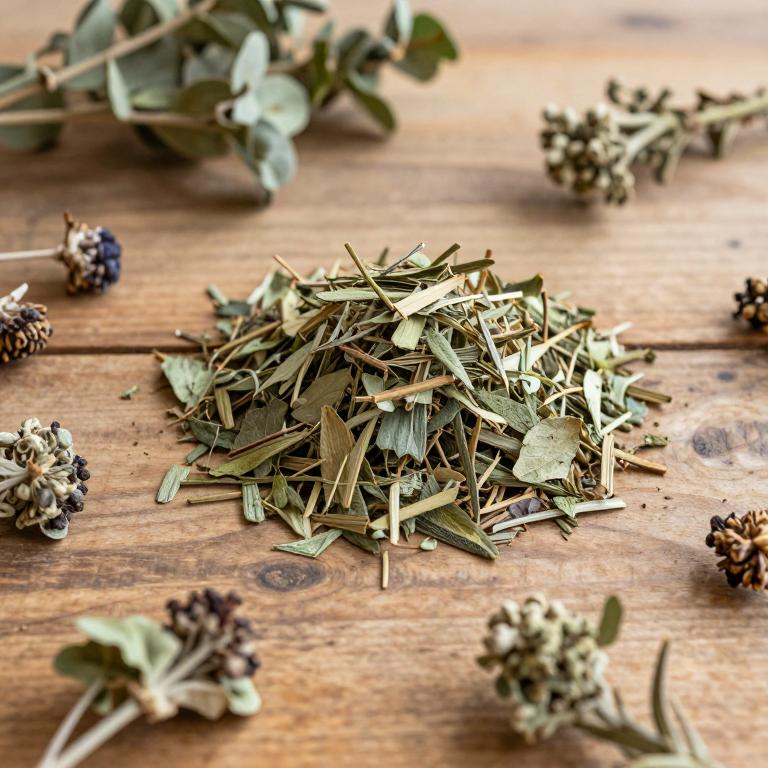
Aerva is a diverse genus of desert plants that contains approximately 28 species, several of which are highly valued for their medicinal properties. These plants are utilized in various traditional medicine systems to treat conditions ranging from ulcers to abdominal disorders. Notably, different parts of the plant contribute to its therapeutic profile, including its flowers and roots. Both the flowers and roots are reported to possess significant biological activities such as antioxidant, analgesic, and antimalarial properties. By leveraging these specific plant parts, practitioners can address various health issues like rheumatism and kidney troubles.