Aerva tomentosa
Aerva tomentosa · Accepted scientific name
Scientific literature: Very Sparse (0 studies) · ★☆☆☆☆
Aerva tomentosa is a resilient herbaceous plant recognized for its significant therapeutic potential in traditional medicine. Within its leaves, a high concentration of the bioactive chemical rutin provides essential health benefits. This specific flavonoid plays a crucial role in helping the body manage physiological challenges. Research indicates that the plant is particularly effective at mitigating the damaging effects of oxidative stress. Consequently, studying its chemical composition offers valuable insights into developing natural antioxidant treatments.
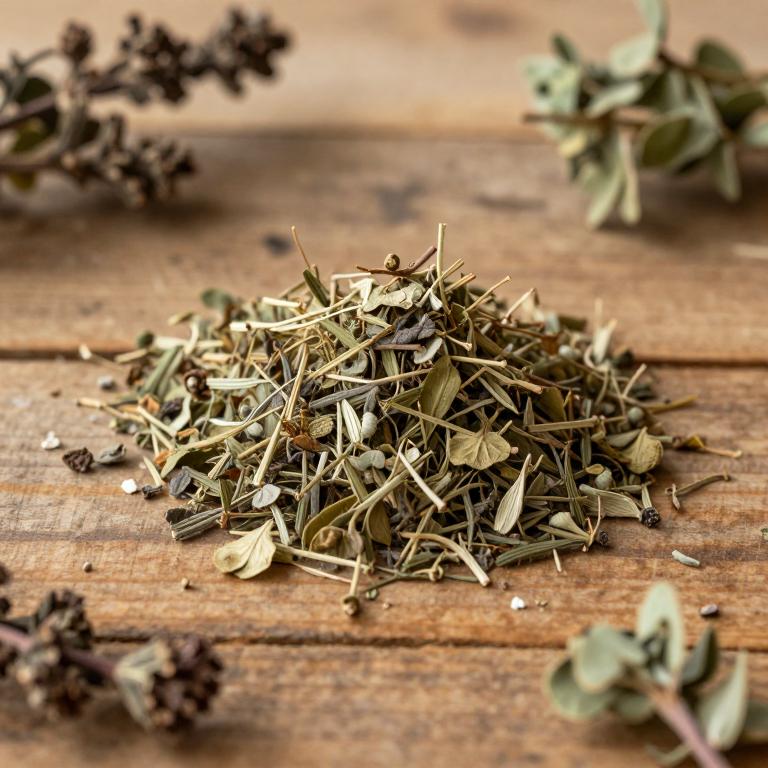
- Synonyms
- Aerva Javanica Var. Bovei · Aerva Tomentosa Var. Bovei · 4 more
- Common names
- Not available
- Family
- Amaranthaceae
- Distribution
- Not available
- Plant Parts
- Leaf
Classification
Synonyms
Aerva tomentosa is a botanical species that has been identified through various taxonomic classifications over time. Scientific literature recognizes several synonyms for this plant, including the names Aerva bovei and Aerva pseudotomentosa. It has also been categorized under different varieties, such as Aerva javanica var. bovei and Aerva persica var. bovei. Additionally, the specific designation Aerva tomentosa var. bovei is frequently used to describe certain specimens. Understanding these diverse nomenclatural relationships is essential for accurate botanical identification and study.
Sources: The World Checklist of Vascular Plants (WCVP)
Taxonomy
Aerva tomentosa is a distinctive plant that belongs to the vast kingdom Plantae. Within this biological kingdom, it is classified under the class Equisetopsida. It further falls into the order Caryophyllales, showcasing its specific evolutionary lineage. This species is a member of the genus Aerva, which defines its closest botanical relatives. Finally, it is nested within the family Amaranthaceae, marking its place in the wider botanical landscape.
| Rank | Classification |
|---|---|
| Kingdom | Plantae |
| Phylum | Streptophyta |
| Class | Equisetopsida |
| Subclass | Magnoliidae |
| Order | Caryophyllales |
| Family | Amaranthaceae |
| Genus | Aerva |
Sources: The World Checklist of Vascular Plants (WCVP)
Distribution
Geographic Regions
Aerva tomentosa is a resilient plant species with a broad geographic presence across the African continent. Its distribution is notably concentrated within Northeast Tropical Africa, where it can be found in Eritrea, Ethiopia, and Somalia. The species also extends its reach into the regions of Sudan and South Sudan. Furthermore, its range stretches across Northern Africa to include the country of Algeria. This wide-ranging habitat demonstrates the plant's ability to adapt to diverse environments throughout the region.
Sources: The World Checklist of Vascular Plants (WCVP)
Identification
Biological Activities
Compounds
Aerva tomentosa, specifically identified in recent studies as Aerva pseudotomentosa, serves as a potent medicinal resource for treating inflammatory disorders. Through the use of HPLC analysis, researchers have confirmed that the aqueous extract of these leaves contains the bioactive compound rutin. This presence of rutin, along with other phenolics, is believed to be a primary driver behind the plant's significant antioxidant activities. By scavenging free radicals and inhibiting lipid peroxidation, the plant effectively mitigates oxidative stress within the body. Consequently, these chemical properties substantiate the traditional folk use of the plant for managing rheumatic pain and wound healing.
Conditions
Aerva tomentosa is utilized for the treatment of various inflammatory disorders, including the management of rheumatic pain. The plant also aids in the healing of wounds that are associated with oxidative stress. Research demonstrates that its extracts effectively treat oxidative stress through significant radical scavenging and the inhibition of lipid peroxidation. Furthermore, the plant serves as a treatment for paw oedema in in vivo models. Specifically, it has been shown to treat carrageenan and formalin-induced paw oedema by significantly attenuating increases in paw volume.
Preparations
Parts used
Aerva tomentosa, specifically the species Aerva pseudotomentosa, possesses leaves that serve as a vital component in traditional medicine. These leaves are frequently utilized in arid regions to treat various inflammatory disorders and promote wound healing. Scientific evaluation has demonstrated that an aqueous extract derived from these leaves exhibits significant antioxidant potential. Through various in vitro models, the extract proved effective at scavenging free radicals and inhibiting lipid peroxidation. Ultimately, the presence of bioactive compounds like rutin within the leaves substantiates their medicinal use in managing oxidative stress and inflammation.