Adonis aleppica
Adonis aleppica · Accepted scientific name
Scientific literature: Very Sparse (2 studies) · ★☆☆☆☆
, scientifically known as Adonis aleppica, is a perennial flowering plant belonging to the Ranunculaceae family. Native to the Mediterranean region, it is distinguished by its vibrant yellow blooms. Traditionally utilized in folk medicine, this species contains bioactive compounds that have garnered interest for their diverse pharmacological potential.
- Family
- Ranunculaceae
- Native range
- Asia-Temperate
- Parts used
- Not available
- Common names
- Not available
- Scientific synonyms
- Adonis Fulgens
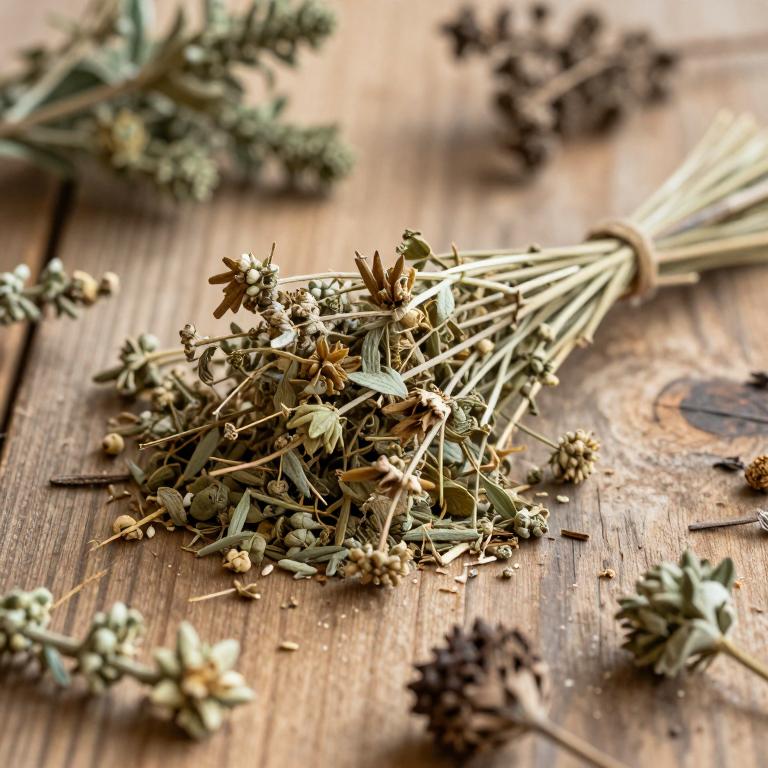
Names and Synonyms
Scientific Names
Accepted name
Adonis aleppicaSynonyms
- Adonis fulgens
Sources: Wikidata, Catalogue of Life
Taxonomical Classification
This plant belongs to the kingdom Plantae and the phylum Streptophyta, falling under the class Equisetopsida and subclass Magnoliidae. It is classified within the order Ranunculales and the family Ranunculaceae. Finally, its specific taxonomic designation is within the genus Adonis.
| Rank | Classification |
|---|---|
| Kingdom | Plantae |
| Phylum | Streptophyta |
| Class | Equisetopsida |
| Subclass | Magnoliidae |
| Order | Ranunculales |
| Family | Ranunculaceae |
| Genus | Adonis |
Sources: The World Checklist of Vascular Plants (WCVP)
Distribution
This plant, known as Adonis aleppica, exhibits a specific geographical distribution across the Western Asian region. It can be found growing within the borders of Iraq, spanning various local habitats. Additionally, its presence is well-documented throughout the territories of Lebanon and Syria. The species also extends its reach into the diverse landscapes of Türkiye. Together, these locations define the primary natural range for this medicinal species.
| Region | Area |
|---|---|
| Western Asia | Iraq |
| Western Asia | Lebanon-Syria |
| Western Asia | Türkiye |
Sources: The World Checklist of Vascular Plants (WCVP)
Botanical Identification
Life history
The life history of Adonis aleppica is characterized by a variable lifecycle, as it can function as an annual, biennial, or perennial plant depending on environmental conditions and resource availability. This flexibility allows the species to adapt to diverse Mediterranean habitats, where it begins its development through seed germination following seasonal moisture shifts. As the plant progresses through its growth stages, it develops a basal rosette of leaves that serves as the primary site for photosynthesis, supporting the eventual emergence of its flowering stalks. The reproductive phase is marked by the production of bright, cup-shaped flowers, which facilitate genetic exchange via insect pollinators. Following successful fertilization, the plant transitions into its seed-bearing stage, producing numerous small seeds that are dispersed to ensure the establishment of new cohorts, thereby continuing the cyclical nature of its life history across varying temporal scales.
- Lifecycle :
- annual
Morphology
The morphology of Adonis aleppica is characterized by its herbaceous growth habit, typically presenting as a perennial plant with a basal rosette of leaves. Its foliage consists of deeply divided, pinnatisect leaves that are narrow and linear in shape, often appearing somewhat fleshy. The plant is strictly terrestrial in its growth habit, distinguishing it from aquatic or semiaquatic species by its reliance on well-drained soil environments. As an independent organism, it does not exhibit parasitic behavior, functioning through its own metabolic processes without reliance on a host plant. The reproductive structures feature bright, yellowish-to-orange flowers with numerous petals and a central cluster of stamens, which emerge on erect, leafless stalks (scapes) that rise above the basal foliage.
- Aquatic :
- terrestrial
- Parasite :
- independent
Sources: Global Inventory of Floras and Traits (GIFT)
Chemicals
Adonis aleppica has 2 reported phytochemicals identified across 0 scientific publications and several other databases. The most consistently reported chemicals include Cymarose, Sarmentose.
| Chemical | Supporting sources | Consensus |
|---|---|---|
| Cymarose | 1 supporting sources | ★☆☆☆☆ |
| Sarmentose | 1 supporting sources | ★☆☆☆☆ |
Cymarose
- Journal of natural products
Sarmentose
- Journal of natural products