Ladybells
Adenophora · Accepted scientific name
Scientific literature: Very Sparse (5 studies) · ★☆☆☆☆
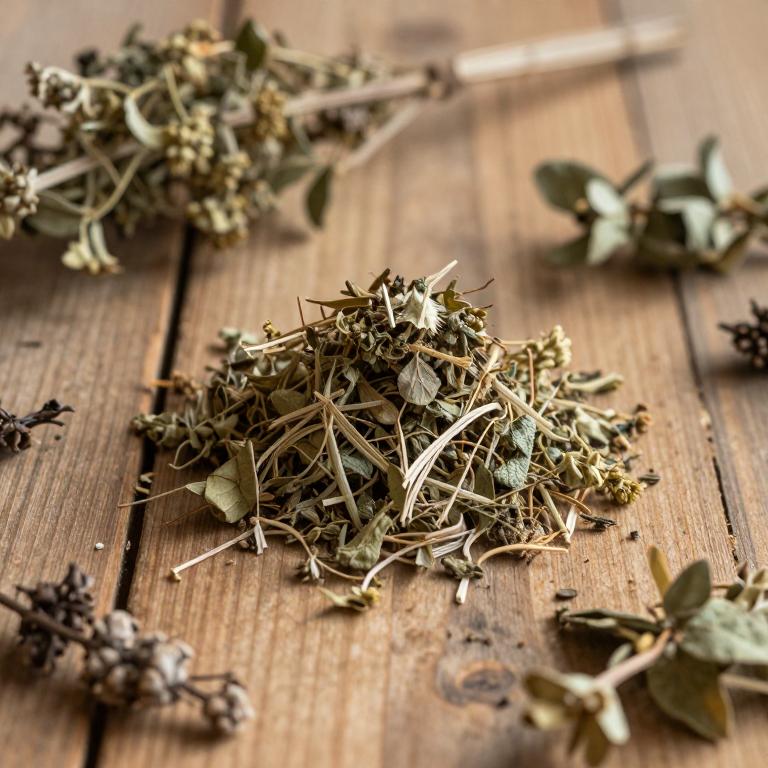
Ladybells, scientifically known as Adenophora, is a genus of flowering perennials cherished both for their delicate, bell-shaped blossoms and their traditional medicinal properties. Native to East Asia, these resilient plants are utilized in various herbal practices to support respiratory health, offering a unique blend of aesthetic beauty and therapeutic potential.
- Family
- Campanulaceae
- Native range
- Europe
- Parts used
- Root
- Common names
- Ladybells
- Scientific synonyms
- Not available
Names and Synonyms
Common Names
- Ladybells
Scientific Names
Accepted name
AdenophoraRegional and Traditional Names
German:
- Becherglocke
Sources: Wikidata, Catalogue of Life
Taxonomical Classification
This plant belongs to the kingdom Plantae within the phylum Streptophyta and the class Equisetopsida. It is further classified under the subclass Magnoliidae in the order Asterales. Finally, it is a member of the Campanulaceae family and is categorized under the genus Adenophora.
| Rank | Classification |
|---|---|
| Kingdom | Plantae |
| Phylum | Streptophyta |
| Class | Equisetopsida |
| Subclass | Magnoliidae |
| Order | Asterales |
| Family | Campanulaceae |
| Genus | Adenophora |
Sources: The World Checklist of Vascular Plants (WCVP)
Distribution
This plant is primarily distributed across various regions within Middle Europe. It can be found growing in the natural landscapes of Austria. Furthermore, its presence extends into the territories of Czechia and Slovakia. The species is also documented within the borders of Germany. Finally, its geographical range includes parts of Hungary and Poland.
| Region | Area |
|---|---|
| Middle Europe | Austria |
| Middle Europe | Czechia-Slovakia |
| Middle Europe | Germany |
| Middle Europe | Hungary |
| Middle Europe | Poland |
| Middle Europe | Switzerland |
| Southeastern Europe | Italy |
| Southeastern Europe | Romania |
| Southeastern Europe | NW. Balkan Pen. |
| Eastern Europe | Belarus |
Sources: The World Checklist of Vascular Plants (WCVP)
Plant Parts
Adenophora has 1 reported plant parts identified across 1 scientific publications and several other databases that are studied for medicinal purposes. The most consistently reported plant part include root.
| Plant part | Supporting sources | Consensus |
|---|---|---|
| Root | 1 supporting sources | ★☆☆☆☆ |
Root
- Zhongguo Zhong yao za zhi = Zhongguo zhongyao zazhi = China journal of Chinese materia medica
Chemicals
Adenophora has 3 reported phytochemicals identified across 1 scientific publications and several other databases. The most consistently reported chemicals include BETA-SITOSTEROL, INULIN, Saponins.
| Chemical | Supporting sources | Consensus |
|---|---|---|
| BETA-SITOSTEROL | 1 supporting sources | ★☆☆☆☆ |
| INULIN | 1 supporting sources | ★☆☆☆☆ |
| Saponins | 1 supporting sources | ★☆☆☆☆ |
BETA-SITOSTEROL
- Zhongguo Zhong yao za zhi = Zhongguo zhongyao zazhi = China journal of Chinese materia medica
INULIN
- Zhongguo Zhong yao za zhi = Zhongguo zhongyao zazhi = China journal of Chinese materia medica
Saponins
- Zhongguo Zhong yao za zhi = Zhongguo zhongyao zazhi = China journal of Chinese materia medica