Adenophora xifengensis
Adenophora xifengensis · Accepted scientific name
Scientific literature: Very Sparse (2 studies) · ★☆☆☆☆
, scientifically known as Adenophora xifengensis, is a significant medicinal herb native to East Asia. Valued in traditional medicine, this perennial plant is primarily utilized for its therapeutic properties in treating respiratory ailments and inflammation. Its unique phytochemical profile makes it a subject of growing interest in modern pharmacological research.
- Family
- Campanulaceae
- Native range
- Asia-Temperate
- Parts used
- Root
- Common names
- Not available
- Scientific synonyms
- Adenophora Stenanthina Subsp. Xifengensis
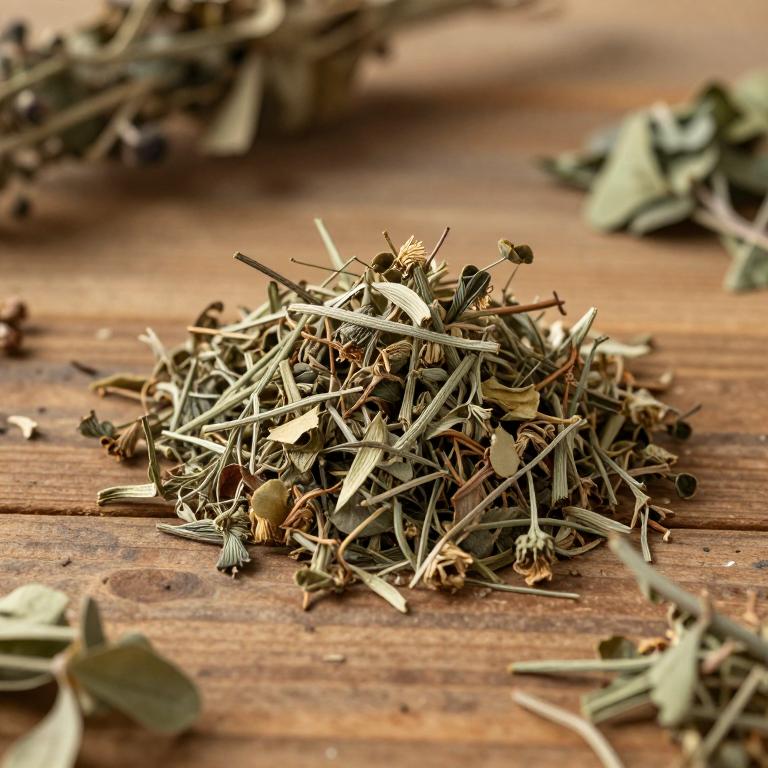
Names and Synonyms
Scientific Names
Accepted name
Adenophora xifengensisSynonyms
- Adenophora stenanthina subsp. xifengensis
Sources: Wikidata
Taxonomical Classification
This plant belongs to the kingdom Plantae within the phylum Streptophyta and the class Equisetopsida. As a member of the subclass Magnoliidae and the order Asterales, it is specifically classified under the family Campanulaceae. Finally, its taxonomic identity is defined by its placement within the genus Adenophora.
| Rank | Classification |
|---|---|
| Kingdom | Plantae |
| Phylum | Streptophyta |
| Class | Equisetopsida |
| Subclass | Magnoliidae |
| Order | Asterales |
| Family | Campanulaceae |
| Genus | Adenophora |
Sources: The World Checklist of Vascular Plants (WCVP)
Distribution
This plant is specifically recognized for its localized presence within the natural landscapes of China. Its geographical range is primarily concentrated in the North-Central region of the country. Within these territories, the species thrives in particular ecological niches that support its growth. Because its distribution is limited to this specific area, it is considered a regional botanical feature. Consequently, researchers focusing on this species target the North-Central Chinese provinces for field studies.
| Region | Area |
|---|---|
| China | China North-Central |
Sources: The World Checklist of Vascular Plants (WCVP)
Botanical Identification
Life history
The life history of Adenophora xifengensis is characterized by its specific survival strategies and structural growth patterns, fundamentally defined by its classification as a hemicryptophyte. As a hemicryptophyte, the plant's perennating buds are located at or just below the soil surface, protected by leaf litter or organic debris during unfavorable environmental conditions. This life form integrates elements of both nanophanerophyte and chamaephyte tendencies, allowing it to maintain a perennial existence while managing its seasonal growth cycles through these protected buds. The plant's development relies on this hemicryptophytic strategy to navigate seasonal changes, ensuring that its regenerative organs remain shielded from extreme temperatures or desiccation, which facilitates its continued presence in its natural habitat.
- Life form :
- hemicryptophyte
Morphology
The morphology of Adenophora xifengensis is characterized by its growth habit as a self-supporting plant, lacking any climbing mechanisms such as tendrils or twining stems, which categorizes it as a self-supporting species rather than an obligatory or facultative climber. It functions as an independent organism, showing no parasitic tendencies toward host plants, and is strictly terrestrial in its ecological niche, distinguishing it from epiphytic life forms.
- Climber :
- self-supporting
- Epiphyte :
- terrestrial
- Parasite :
- independent
Sources: Global Inventory of Floras and Traits (GIFT)
Plant Parts
Adenophora xifengensis has 1 reported plant parts identified across 1 scientific publications and several other databases that are studied for medicinal purposes. The most consistently reported plant part include root.
| Plant part | Supporting sources | Consensus |
|---|---|---|
| Root | 1 supporting sources | ★☆☆☆☆ |
Root
- Die Pharmazie
Chemicals
Adenophora xifengensis has 1 reported phytochemicals identified across 1 scientific publications and several other databases. The most consistently reported chemicals include Syringin.
| Chemical | Supporting sources | Consensus |
|---|---|---|
| Syringin | 1 supporting sources | ★☆☆☆☆ |
Syringin
- Die Pharmazie