desert rose
Adenium obesum · Accepted scientific name
Scientific literature: Sparse (50 studies) · ★★☆☆☆
Desert rose, scientifically known as Adenium obesum, is a striking succulent native to the arid regions of Africa. Renowned for its sculptural, swollen caudex and vibrant, trumpet-shaped blooms, this resilient plant thrives in harsh sunlight. Beyond its ornamental beauty, it holds significant traditional importance in various medicinal practices globally.
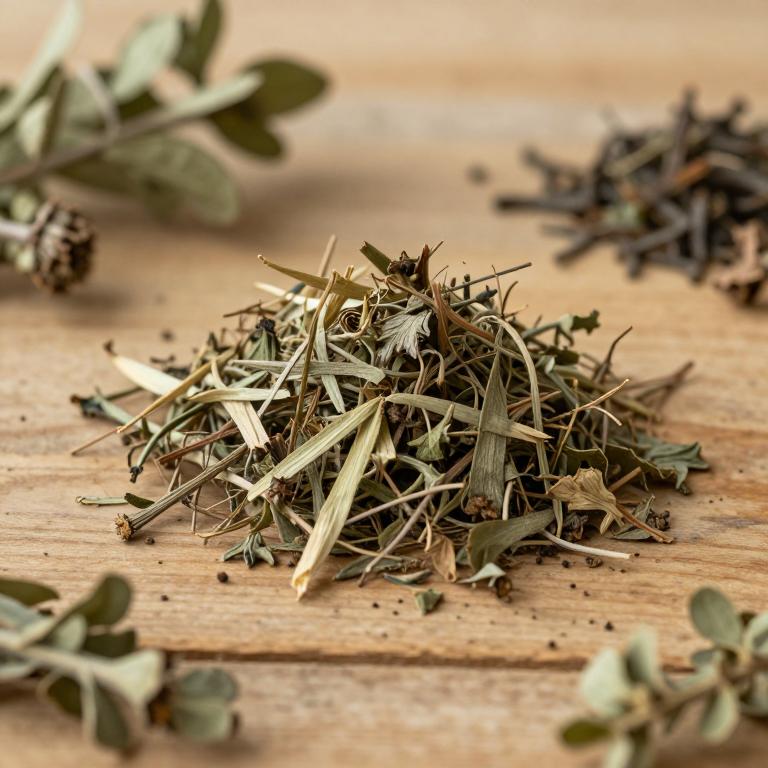
Names and Synonyms
Common Names
- desert-rose
- impala-lily
- mock azalea
- desert rose
- impala lily
Scientific Names
Accepted name
Adenium obesumSynonyms
- Adenium somalense var. caudatipetalum
- Adenium somalense var. crispum
- Nerium obesum
- Adenium micranthum
- Cameraria obesa
- Adenium coetaneum
- Adenium honghel
- Adenium obesum subsp. socotranum
- Adenium obesum subsp. somalense
- Adenium speciosum
- Adenium socotranum
- Adenium somalense
- Adenium tricholepis
- Adenium arabicum
- Adenium arboreum
Regional and Traditional Names
Spanish:
- Rosa del Desierto
German:
- gewöhnliche Wüstenrose
- Wüstenrose
French:
- Rose du désert
- Baobab chacal
- baobab chacal
- faux baobab
- lis des impalas
- pied d'éléphant
- rose du désert
- Baobab du chacal
Sources: Wikidata, Catalogue of Life
Taxonomical Classification
This plant belongs to the kingdom Plantae and is classified within the phylum Streptophyta and the class Equisetopsida. Following the subclass Magnoliidae, it is organized under the order Gentianales and the family Apocynaceae. Ultimately, its taxonomic identity is defined by its placement in the genus Adenium.
| Rank | Classification |
|---|---|
| Kingdom | Plantae |
| Phylum | Streptophyta |
| Class | Equisetopsida |
| Subclass | Magnoliidae |
| Order | Gentianales |
| Family | Apocynaceae |
| Genus | Adenium |
Sources: The World Checklist of Vascular Plants (WCVP)
Distribution
This plant exhibits a specific geographical presence across several regions within West Tropical Africa. It can be found growing in the nation of Benin, where it occupies local ecological niches. The distribution extends further into Burkina, contributing to its regional availability. Additionally, the species is documented within the borders of Ghana. Finally, its range continues through Guinea-Bissau and Guinea, marking a significant presence in these West African territories.
| Region | Area |
|---|---|
| West Tropical Africa | Benin |
| West Tropical Africa | Burkina |
| West Tropical Africa | Ghana |
| West Tropical Africa | Guinea-Bissau |
| West Tropical Africa | Guinea |
| West Tropical Africa | Ivory Coast |
| West Tropical Africa | Mali |
| West Tropical Africa | Mauritania |
| West Tropical Africa | Nigeria |
| West Tropical Africa | Niger |
Sources: The World Checklist of Vascular Plants (WCVP)
Botanical Identification
Ecology
The ecology of Adenium obesum is defined by its specialized adaptation to arid and semi-arid environments, where it thrives primarily in dry bushland. It demonstrates a particular preference for rocky sites, utilizing crevices and stony substrates to anchor its succulent root system, while also maintaining a presence in woodland ecosystems. Its distribution extends to coastal regions, where it occupies niches characterized by seasonal moisture fluctuations and intense solar exposure. This ability to inhabit diverse, water-stressed landscapes highlights its evolutionary strategy of moisture conservation and resilience within nutrient-poor, well-drained soils.
- Habitat :
- in dry bushland, especially in rocky sites, on the coast also in woodland
Life history
The life history of Adenium obesum is characterized by its nature as a perennial plant, allowing it to persist through multiple growing seasons and establish a long-lived presence in its natural habitat. As a nanophanerophyte, its growth form is defined by woody stems that remain relatively low to the ground, often developing a prominent, succulent caudex that serves as a vital water storage organ. The species exhibits a deciduous habit, typically shedding its foliage during periods of environmental stress or seasonal dormancy to conserve moisture, a strategy essential for its survival in arid climates.
- Deciduousness :
- deciduous
- Life form :
- nanophanerophyte
- Lifecycle :
- perennial
Morphology
The morphology of Adenium obesum is characterized by a woody growth form, primarily manifesting as a shrub. It is a terrestrial, self-supporting plant that functions independently, lacking any parasitic or epiphytic tendencies. In terms of its physical stature, the plant exhibits a variable height, with recorded minimum values of approximately 1.22 m and maximum values reaching roughly 1.83 m, though it maintains an average plant height of approximately 2.5 m.
- Aquatic :
- terrestrial
- Climber :
- self-supporting
- Epiphyte :
- terrestrial
- Growth form :
- shrub
- Parasite :
- independent
- Plant height max:
- 1.828822238 m
- Plant height mean:
- 2.5 m
- Plant height min:
- 1.219214826 m
- Woodiness :
- woody
Physiology
The physiology of Adenium obesum is characterized by specialized adaptations for survival in arid environments, most notably through its highly modified stem structure known as a caudex. This swollen, succulent base functions as a primary water reservoir, allowing the plant to maintain turgor pressure and metabolic processes during prolonged periods of drought. The plant utilizes Crassulacean Acid Metabolism (CAM) or a modified C3 photosynthetic pathway depending on environmental stress, enabling it to optimize water-use efficiency by regulating stomatal conductance. Its root system is designed for rapid moisture absorption following infrequent rainfall, while its leaf physiology focuses on minimizing transpiration through thick cuticles. Regarding its nutrient cycling capabilities, Adenium obesum is not a nitrogen fixer; it lacks the symbiotic relationship with rhizobia bacteria required to convert atmospheric nitrogen into usable forms, meaning it relies entirely on the availability of nitrogen within the soil substrate for its protein synthesis and vegetative growth.
- Nitrogen fixer :
- no
Reproduction
The reproduction of Adenium obesum is characterized by a complex interplay of biotic interactions and specialized dispersal mechanisms. The plant utilizes a biotic pollination syndrome, relying heavily on animal vectors to facilitate the transfer of pollen between flowers. Specifically, the pollination process is primarily insect-driven, involving various insect species that visit the blooms to ensure successful fertilization. Following successful pollination and the development of seeds, the plant employs an anemochorous dispersal syndrome. This means that the seeds are designed for wind dispersal, allowing them to be carried away from the parent plant by air currents, which facilitates the colonization of new habitats.
- Dispersal syndrome :
- anemochorous
- Pollination syndrome :
- insect
- Pollination syndrome :
- biotic
Sources: Global Inventory of Floras and Traits (GIFT)
Plant Parts
Adenium obesum has 2 reported plant parts identified across 3 scientific publications and several other databases that are studied for medicinal purposes. The most consistently reported plant part include leaf, stem.
| Plant part | Supporting sources | Consensus |
|---|---|---|
| Leaf | 2 supporting sources | ★☆☆☆☆ |
| Stem | 1 supporting sources | ★☆☆☆☆ |
Leaf
- Protein and peptide letters
- Frontiers in pharmacology
Stem
- Journal of traditional and complementary medicine
Chemicals
Adenium obesum has 19 reported phytochemicals identified across 3 scientific publications and several other databases. The most consistently reported chemicals include Cardiac Glycosides, 16-Acetylstrospeside, 3,4-dihydroxycinnamic acid (r)-1-carboxy-2-(3,4-dihydroxyphenyl) ethyl ester, 3-O-Methylkaempferol, Acetyldigitoxigenin.
| Chemical | Supporting sources | Consensus |
|---|---|---|
| Cardiac Glycosides | 2 supporting sources | ★☆☆☆☆ |
| 16-Acetylstrospeside | 1 supporting sources | ★☆☆☆☆ |
| 3,4-dihydroxycinnamic acid (r)-1-carboxy-2-(3,4-dihydroxyphenyl) ethyl ester | 1 supporting sources | ★☆☆☆☆ |
| 3-O-Methylkaempferol | 1 supporting sources | ★☆☆☆☆ |
| Acetyldigitoxigenin | 1 supporting sources | ★☆☆☆☆ |
| CADMIUM | 1 supporting sources | ★☆☆☆☆ |
| Cardiac glycoside | 1 supporting sources | ★☆☆☆☆ |
| Flavonoid | 1 supporting sources | ★☆☆☆☆ |
| Flavonoids | 1 supporting sources | ★☆☆☆☆ |
| Honghelin | 1 supporting sources | ★☆☆☆☆ |
Cardiac Glycosides
- Saudi journal of biological sciences
- Chemical & pharmaceutical bulletin
16-Acetylstrospeside
- Journal of pharmaceutical sciences
3,4-dihydroxycinnamic acid (r)-1-carboxy-2-(3,4-dihydroxyphenyl) ethyl ester
- Journal of traditional and complementary medicine
3-O-Methylkaempferol
- Journal of pharmaceutical sciences
Acetyldigitoxigenin
- Saudi journal of biological sciences
CADMIUM
- Biological trace element research
Cardiac glycoside
- Journal of Ayurveda and integrative medicine
Flavonoid
- Journal of Ayurveda and integrative medicine
Flavonoids
- Saudi journal of biological sciences
Honghelin
- Journal of pharmaceutical sciences
Activities
Adenium obesum has 6 reported activities identified across 3 scientific publications and several other databases. The most consistently reported activities include Anticancer, Antimicrobial, Antioxidant, Antibacterial, Cytotoxic.
| Activity | Supporting sources | Consensus |
|---|---|---|
| Anticancer | 2 supporting sources | ★☆☆☆☆ |
| Antimicrobial | 2 supporting sources | ★☆☆☆☆ |
| Antioxidant | 2 supporting sources | ★☆☆☆☆ |
| Antibacterial | 1 supporting sources | ★☆☆☆☆ |
| Cytotoxic | 1 supporting sources | ★☆☆☆☆ |
| Neuroprotective | 1 supporting sources | ★☆☆☆☆ |
Anticancer
- Saudi journal of biological sciences
- Frontiers in pharmacology
Antimicrobial
- Frontiers in pharmacology
- Journal of traditional and complementary medicine
Antioxidant
- Frontiers in pharmacology
- Journal of traditional and complementary medicine
Antibacterial
- Saudi journal of biological sciences
Cytotoxic
- Frontiers in pharmacology
Neuroprotective
- Journal of Ayurveda and integrative medicine
Conditions
Adenium obesum has 15 reported investigations on conditions identified across 3 scientific publications and several other databases. The most consistently reported conditions include Liver cancer, Parkinson's disease, Parkinsonism, breast cancer, cancer.
| Condition | Supporting sources | Consensus |
|---|---|---|
| Liver cancer | 1 supporting sources | ★☆☆☆☆ |
| Parkinson's disease | 1 supporting sources | ★☆☆☆☆ |
| Parkinsonism | 1 supporting sources | ★☆☆☆☆ |
| Breast cancer | 1 supporting sources | ★☆☆☆☆ |
| Cancer | 1 supporting sources | ★☆☆☆☆ |
| Cancers | 1 supporting sources | ★☆☆☆☆ |
| Cervix cancer | 1 supporting sources | ★☆☆☆☆ |
| Depression | 1 supporting sources | ★☆☆☆☆ |
| Headaches | 1 supporting sources | ★☆☆☆☆ |
| Hepatocellular carcinoma | 1 supporting sources | ★☆☆☆☆ |
Liver cancer
- Protein and peptide letters
Parkinson's disease
- Journal of Ayurveda and integrative medicine
Parkinsonism
- Journal of Ayurveda and integrative medicine
Breast cancer
- Journal of natural medicines
Cancer
- Saudi journal of biological sciences
Cancers
- Protein and peptide letters
Cervix cancer
- Journal of natural medicines
Depression
- Journal of Ayurveda and integrative medicine
Headaches
- Journal of traditional and complementary medicine
Hepatocellular carcinoma
- Journal of natural medicines
Preparations
Adenium obesum has 9 reported preparations identified across 3 scientific publications and several other databases. The most consistently reported preparations include An ethanol extract, Ethanolic Leaf Extract, butanol, chloroform extract, ethyl acetate.
| Preparation | Supporting sources | Consensus |
|---|---|---|
| An ethanol extract | 1 supporting sources | ★☆☆☆☆ |
| Ethanolic leaf extract | 1 supporting sources | ★☆☆☆☆ |
| Butanol | 1 supporting sources | ★☆☆☆☆ |
| Chloroform extract | 1 supporting sources | ★☆☆☆☆ |
| Ethyl acetate | 1 supporting sources | ★☆☆☆☆ |
| Green leaf extract | 1 supporting sources | ★☆☆☆☆ |
| Hexane extracts | 1 supporting sources | ★☆☆☆☆ |
| Methanol | 1 supporting sources | ★☆☆☆☆ |
| Water | 1 supporting sources | ★☆☆☆☆ |
An ethanol extract
- Journal of pharmaceutical sciences
Ethanolic leaf extract
- Frontiers in pharmacology
Butanol
- Journal of traditional and complementary medicine
Chloroform extract
- Journal of traditional and complementary medicine
Ethyl acetate
- Journal of traditional and complementary medicine
Green leaf extract
- Protein and peptide letters
Hexane extracts
- Journal of traditional and complementary medicine
Methanol
- Journal of traditional and complementary medicine
Water
- Journal of traditional and complementary medicine