Actephila merrilliana
Actephila merrilliana · Accepted scientific name
Scientific literature: Very Sparse (0 studies) · ★☆☆☆☆
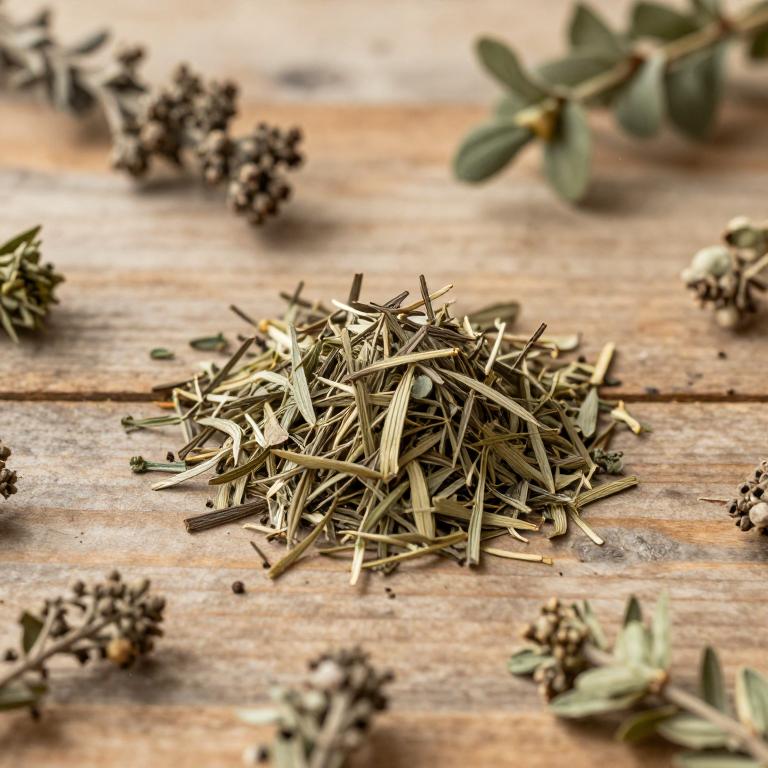
Actephila merrilliana is a distinctive tropical plant recognized for its unique botanical characteristics. While much of its charm lies in its overall structure, the leaf serves as a primary point of identification for enthusiasts. These leaves exhibit specific shapes and textures that distinguish the species from its close relatives. Observing the foliage provides essential insights into the health and growth patterns of this particular specimen. Understanding the nuances of its leaf morphology is a fundamental step in studying this fascinating plant.
- Synonyms
- Actephila Inopinata
- Common names
- Not available
- Family
- Phyllanthaceae
- Distribution
- Africa
- Plant Parts
- Leaf
Classification
Common Names
Actephila merrilliana is a distinctive botanical species often recognized by its unique characteristics. In local contexts, this plant is frequently referred to by its common name, 喜光花. This name provides a cultural connection that helps enthusiasts identify the plant more easily in the wild. Understanding these naming conventions is essential for anyone studying regional flora and its diverse classifications. By linking scientific nomenclature with common terms, a clearer picture of the plant's identity emerges.
Sources: Catalogue of Life (COL)
Synonyms
Actephila merrilliana is a botanical species that is frequently identified by researchers under a different taxonomic name. In many scientific records, this plant is listed as a synonym under the name Actephila inopinata. Understanding these overlapping designations is essential for accurate classification and effective plant identification. This nomenclatural connection ensures that botanists can maintain consistency when studying the species' unique characteristics. Recognizing such synonyms helps bridge the gap between historical documentation and modern biological studies.
Sources: The World Checklist of Vascular Plants (WCVP)
Taxonomy
Actephila merrilliana is a distinctive member of the kingdom Plantae. This species is categorized within the class Equisetopsida, reflecting its complex vascular structure. It belongs to the order Malpighiales, a diverse group of flowering plants. Within this order, it is further classified under the family Phyllanthaceae. Finally, its specific biological identity is defined by its placement in the genus Actephila.
| Rank | Classification |
|---|---|
| Kingdom | Plantae |
| Phylum | Streptophyta |
| Class | Equisetopsida |
| Subclass | Magnoliidae |
| Order | Malpighiales |
| Family | Phyllanthaceae |
| Genus | Actephila |
Sources: The World Checklist of Vascular Plants (WCVP)
Distribution
Geographic Regions
Actephila merrilliana is a botanical species with a specific geographic presence across certain Asian regions. Its distribution is notably documented within the Asia-Temperate zone, particularly throughout China. Within this vast territory, the plant can be found residing in the China Southeast region. Furthermore, its habitat extends to the tropical landscapes of Hainan. Understanding these localized ranges helps researchers better map the ecological footprint of this unique plant.
Sources: The World Checklist of Vascular Plants (WCVP)
Identification
Morphology
Actephila merrilliana is a self-supporting plant that maintains a compact growth habit. This species typically reaches a minimum height of 1 meter, though many specimens grow to at least 1.5 meters. Under optimal conditions, the plant can achieve a maximum height of approximately 2 meters. These specific dimensions make it a manageable addition to various landscapes.
Sources: Global Inventory of Floras and Traits (GIFT)
Biological Activities
Compounds
Conditions
Preparations
Parts used
Actephila merrilliana serves as a valuable botanical source for the isolation of unique chemical compounds. Research has successfully identified the compound 2-hydroxy-3-nitrobenzaldehyde within the plant's leaf structure. This specific molecule exhibits an essentially planar conformation, which is stabilized by an intramolecular O-H⋯O hydrogen bond. In its crystalline state, the compound's arrangement is further supported by C-H⋯O interactions and aromatic π-π stacking. Such detailed structural analysis highlights the complex chemical properties found within the leaves of this species.