Acorus verus
Acorus verus · Accepted scientific name
Scientific literature: Very Sparse (0 studies) · ★☆☆☆☆
Acorus verus is a unique botanical species valued for the bioactive compounds found within its leaves and rhizomes. The plant contains significant chemical constituents, including lignan, methyleugenol, spinosin, and various volatile oils. These components are often extracted through preparations such as the dried rhizome or essential oil to harness their therapeutic potential. Due to its chemical profile, the plant is studied for its applications in treating conditions like Alzheimer's disease, depression, and amnesia. Furthermore, its aromatic properties make it a popular choice for use in aromatherapy.
- Synonyms
- Not available
- Common names
- Not available
- Family
- Not available
- Distribution
- Not available
- Plant Parts
- Rhizome · Leaf
Classification
Distribution
Identification
Biological Activities
Compounds
Acorus verus is a medicinal plant characterized by a complex chemical profile that includes significant concentrations of both lignan and volatile oil. Within its volatile oil fraction, specific bioactive components such as methyleugenol and alpha-asarone have been identified through detailed GC-MS fingerprint analysis. Furthermore, the plant is known to contain the specific lignan known as spinosin, which contributes to its diverse pharmacological properties. These various secondary metabolites play crucial roles in the plant's biological activities and overall chemical composition. Understanding these constituent relationships provides a foundation for exploring the plant's therapeutic potential in medicinal research.
Conditions
Acorus verus, represented in the research by species such as A. tatarinowii, is utilized in the treatment of Alzheimer's disease and various other brain diseases. The plant's bioactive compounds offer significant neuroprotective effects that help improve cognitive functions and address conditions like amnesia. Furthermore, its essential oils serve as an effective way to treat depression by providing antidepressant effects with minimal side effects. The medicinal plant also holds a recognized place in the field of aromatherapy due to its rich repertoire of natural products. These diverse pharmacological properties make the plant a valuable resource for managing both neurological and emotional disorders.
Preparations
Acorus verus is prepared as a dried rhizome for various medicinal and analytical purposes. This plant is also prepared as a rhizome to facilitate the isolation of specific anti-inflammatory compounds. Furthermore, the species is prepared as an essential oil, which is noted for its ability to cross the blood-brain barrier. The plant is also prepared as a volatile oil, a form that is particularly useful in studying its antidepressant effects. These different preparations allow for the detailed chemical fingerprinting of its characteristic components.
Parts used
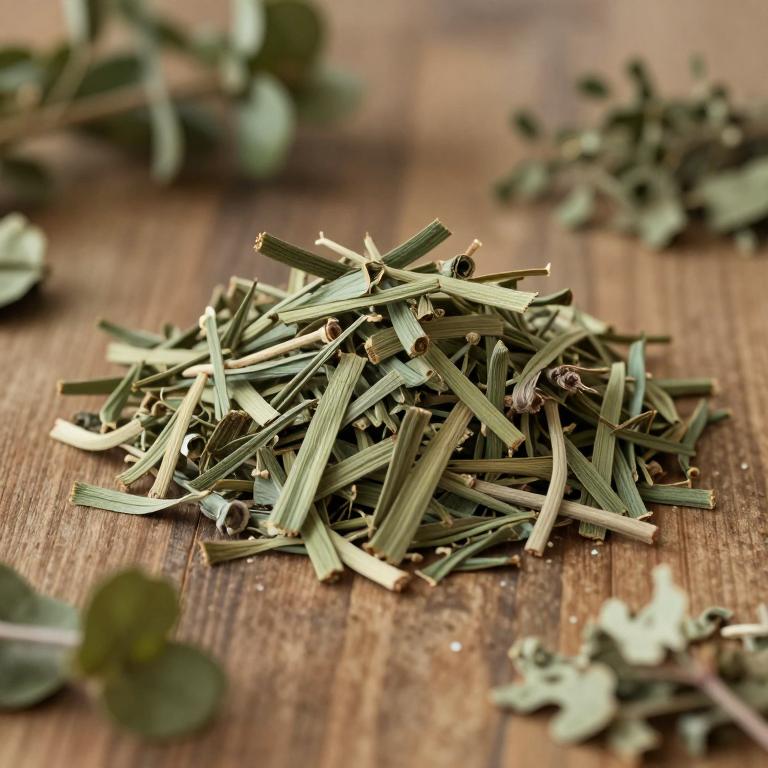
Acorus verus is a plant species that contains significant medicinal components located within its different anatomical structures. Specifically, the rhizome of the plant serves as a rich source of volatile oils and various anti-inflammatory compounds. Scientific research has also highlighted the importance of the leaf, which possesses unique properties that can assist in cognitive health. While the rhizomes are traditionally used to treat amnesia, the leaves offer a promising dietary source for preventing dementia. Together, these parts demonstrate the complex therapeutic potential inherent in the various components of the plant.