Acorus americanus
Acorus americanus · Accepted scientific name
Scientific literature: Very Sparse (0 studies) · ★☆☆☆☆
Acorus americanus, commonly known as sweet flag, is a perennial aquatic plant native to the wetlands of North America. While traditionally used in various herbal remedies, contemporary scientific interest has turned toward its potential bioactive properties. Recent studies have begun to investigate whether extracts from this plant possess antimicrobial activities against specific pathogens. One area of emerging research explores its potential efficacy in addressing complications related to Neisseria gonorrhoeae. Understanding these biological interactions may offer new insights into the plant's role in modern pharmacology.
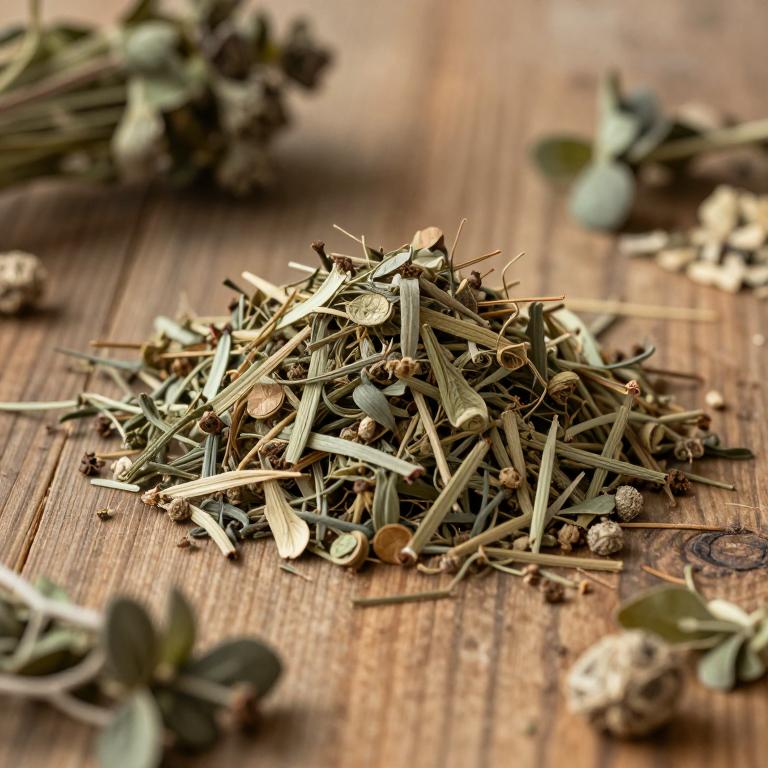
- Synonyms
- Acorus Calamus Var. Americanus
- Common names
- Not available
- Family
- Acoraceae
- Distribution
- Africa
- Plant Parts
- Not available
Classification
Common Names
Acorus americanus is a versatile plant known by a wide variety of names across different regions and languages. Most commonly referred to as American Sweet-Flag, it is also frequently called American sweetflag in many botanical circles. In certain linguistic contexts, you may encounter it labeled as Amerikaanse kalmoes or the French term acore d'Amérique. Additionally, the name Wiikensh serves as another distinct identifier for this specific species. Understanding these various common names helps enthusiasts identify the plant regardless of the terminology used.
Sources: Catalogue of Life (COL)
Synonyms
Acorus americanus is a distinctive plant often identified in botanical literature through its taxonomic synonym, Acorus calamus var. americanus. This naming relationship highlights the close evolutionary links between the species and its broader varieties within the Acorus genus. While different researchers may use these terms interchangeably, understanding this synonymy is essential for accurate botanical identification. Such classification nuances ensure that scientists and gardeners alike can maintain consistency when documenting the plant's characteristics. Recognizing these linguistic connections ultimately provides a clearer picture of the plant's place in the natural world.
Sources: The World Checklist of Vascular Plants (WCVP)
Taxonomy
Acorus americanus is a distinctive species belonging to the vast kingdom Plantae. Within this diverse biological realm, it is classified under the class Equisetopsida. Its taxonomic lineage continues through the order Acorales, which helps define its unique evolutionary path. The plant is a primary member of the genus Acorus, setting it apart from other vegetation. Finally, it is nested within the specific family Acoraceae, completing its formal biological profile.
| Rank | Classification |
|---|---|
| Kingdom | Plantae |
| Phylum | Streptophyta |
| Class | Equisetopsida |
| Subclass | Magnoliidae |
| Order | Acorales |
| Family | Acoraceae |
| Genus | Acorus |
Sources: The World Checklist of Vascular Plants (WCVP)
Distribution
Geographic Regions
Acorus americanus is primarily distributed throughout the Asia-Temperate region, showcasing a wide geographical range across several key territories. In China, this species can be found spanning across provinces such as Inner Mongolia. Its presence extends into Mongolia, where it establishes itself within the local temperate ecosystems. The plant also thrives in the Russian Far East, specifically within the Amur and Khabarovsk regions. Furthermore, its distribution reaches the unique landscapes of Kamchatka, rounding out its significant presence in the East Asian landscape.
Sources: The World Checklist of Vascular Plants (WCVP)
Identification
Biological Activities
Compounds
Conditions
Acorus americanus, commonly known as sweet flag, was evaluated for its ability to inhibit the growth of Neisseria gonorrhoeae isolates. During testing against various antimicrobial resistance profiles, the ethanolic extracts of this specific botanical demonstrated limited effectiveness. The results indicated that Acorus americanus exhibited weak or no antimicrobial activity against the tested Ng isolates. Specifically, the minimum inhibitory concentrations for this plant were recorded at levels of 256 μg/mL or higher. Consequently, this plant did not show significant potential for treating Neisseria gonorrhoeae in the context of this study.