Aconitum japonicum
Aconitum japonicum · Accepted scientific name
Scientific literature: Very Sparse (11 studies) · ★☆☆☆☆
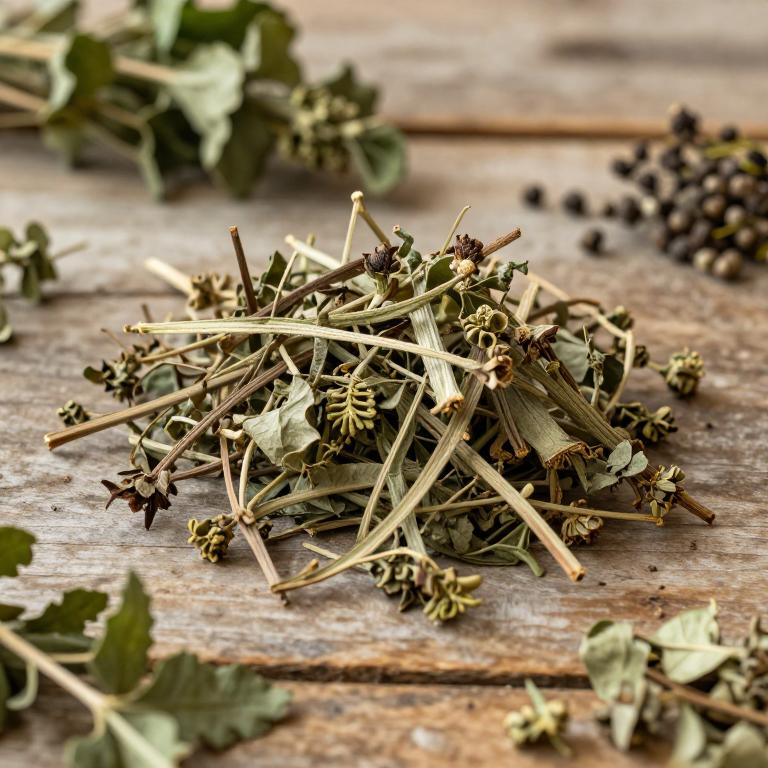
, scientifically known as Aconitum japonicum, is a potent perennial herb native to East Asia. Renowned in traditional medicine, it contains powerful alkaloids like aconitine. While highly toxic if mishandled, it is meticulously processed to create life-saving treatments for pain relief, inflammation, and various neurological conditions in specialized practice.
- Family
- Ranunculaceae
- Native range
- Asia-Temperate
- Parts used
- Root
- Common names
- Not available
- Scientific synonyms
- Not available
Names and Synonyms
Scientific Names
Accepted name
Aconitum japonicumSources: Wikidata, Catalogue of Life
Taxonomical Classification
This plant, known scientifically as Aconitum japonicum, belongs to the kingdom Plantae and the phylum Streptophyta. It is classified within the class Equisetopsida and the subclass Magnoliidae, falling under the order Ranunculales. Finally, it is a member of the family Ranunculaceae and is categorized under the genus Aconitum.
| Rank | Classification |
|---|---|
| Kingdom | Plantae |
| Phylum | Streptophyta |
| Class | Equisetopsida |
| Subclass | Magnoliidae |
| Order | Ranunculales |
| Family | Ranunculaceae |
| Genus | Aconitum |
Sources: The World Checklist of Vascular Plants (WCVP)
Distribution
This plant is primarily distributed across several regions within Eastern Asia. In China, its presence is specifically noted within the Manchuria region. The species also has a significant presence in Japan, which is part of the broader Eastern Asian territory. Furthermore, its geographical range extends to include Korea. Together, these locations define the natural habitat where this medicinal species can be found.
| Region | Area |
|---|---|
| China | Manchuria |
| Eastern Asia | Japan |
| Eastern Asia | Korea |
Sources: The World Checklist of Vascular Plants (WCVP)
Botanical Identification
Life history
The life history of Aconitum japonicum is characterized by its classification as a cryptophyte, specifically functioning as a geophyte. This means that the plant survives unfavorable seasons by retreating into underground storage organs, such as its tuberous roots, which protect its vital tissues from freezing temperatures or drought. As a geophyte, its regenerative capacity is centered entirely beneath the soil surface, allowing it to remain dormant during periods of environmental stress before emerging to complete its reproductive cycle when conditions become favorable. This survival strategy ensures that the plant can persist in its natural habitat through seasonal fluctuations, relying on these subterranean structures to facilitate its perennial growth pattern.
- Life form :
- geophyte
- Life form :
- cryptophyte
Morphology
The morphology of Aconitum japonicum is characterized by its growth form as a perennial herb. It functions as a terrestrial plant, growing directly in the soil rather than as an epiphyte. Furthermore, the plant exhibits a non-woody structure, lacking any permanent woody tissue in its stems.
- Epiphyte :
- terrestrial
- Growth form :
- herb
- Woodiness :
- non-woody
Sources: Global Inventory of Floras and Traits (GIFT)
Plant Parts
Aconitum japonicum has 1 reported plant parts identified across 1 scientific publications and several other databases that are studied for medicinal purposes. The most consistently reported plant part include root.
| Plant part | Supporting sources | Consensus |
|---|---|---|
| Root | 1 supporting sources | ★☆☆☆☆ |
Root
- Journal of natural products
Chemicals
Aconitum japonicum has 10 reported phytochemicals identified across 1 scientific publications and several other databases. The most consistently reported chemicals include Aljesaconitine A, Benzoylmesaconine, Chasmanine, Coryneine, Deoxyaconitine.
| Chemical | Supporting sources | Consensus |
|---|---|---|
| Aljesaconitine A | 1 supporting sources | ★☆☆☆☆ |
| Benzoylmesaconine | 1 supporting sources | ★☆☆☆☆ |
| Chasmanine | 1 supporting sources | ★☆☆☆☆ |
| Coryneine | 1 supporting sources | ★☆☆☆☆ |
| Deoxyaconitine | 1 supporting sources | ★☆☆☆☆ |
| Higenamine | 1 supporting sources | ★☆☆☆☆ |
| Hypaconitine | 1 supporting sources | ★☆☆☆☆ |
| Kobusine | 1 supporting sources | ★☆☆☆☆ |
| Lipodeoxyaconitine | 1 supporting sources | ★☆☆☆☆ |
| aconitine | 1 supporting sources | ★☆☆☆☆ |
Aljesaconitine A
- Journal of natural products
Benzoylmesaconine
- Japanese journal of pharmacology
Chasmanine
- Japanese journal of pharmacology
Coryneine
- Japanese journal of pharmacology
Deoxyaconitine
- Japanese journal of pharmacology
Higenamine
- Japanese journal of pharmacology
Hypaconitine
- Japanese journal of pharmacology
Kobusine
- Japanese journal of pharmacology
Lipodeoxyaconitine
- Japanese journal of pharmacology
aconitine
- Japanese journal of pharmacology