Nepal Monkshood
Aconitum heterophylloides · Accepted scientific name
Scientific literature: Very Sparse (11 studies) · ★☆☆☆☆
Nepal Monkshood, scientifically known as Aconiutum heterophylloides, is a potent medicinal herb native to the Himalayan regions. Renowned for its complex alkaloids, it is used in traditional medicine to treat various ailments. However, due to its high toxicity, it must be handled with extreme caution by skilled practitioners.
- Family
- Ranunculaceae
- Native range
- Asia-Temperate
- Parts used
- Not available
- Common names
- Nepal Monkshood
- Scientific synonyms
- Aconitum Leucanthum · Aconitum Heterophylloides Var. Leucanthum · 9 more
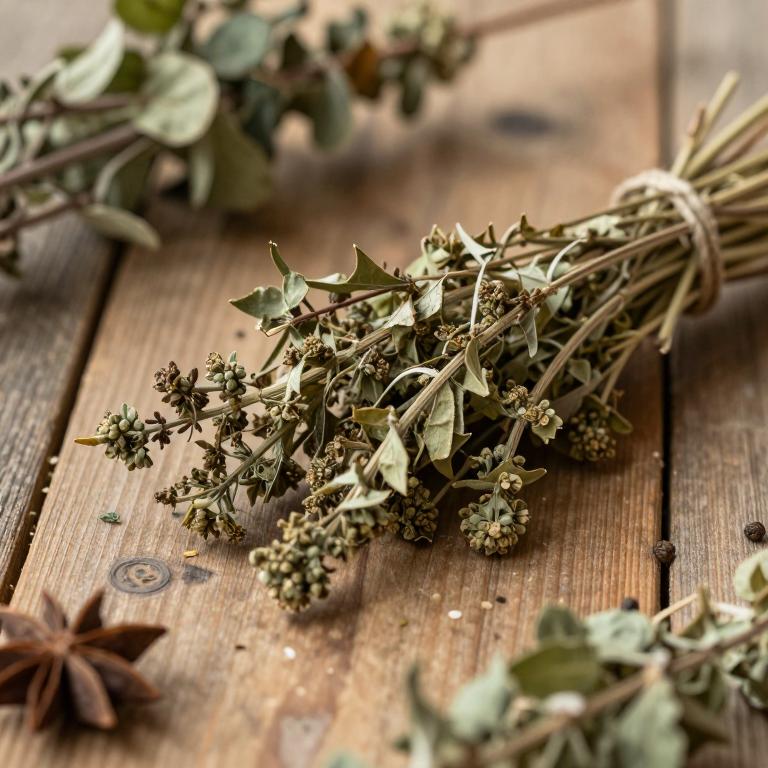
Names and Synonyms
Common Names
- Nepal Monkshood
Scientific Names
Accepted name
Aconitum heterophylloidesSynonyms
- Aconitum leucanthum
- Aconitum heterophylloides var. leucanthum
- Aconitum ferox var. heterophylloides
- Aconitum ferox var. laciniatum
- Aconitum nepalense
- Aconitum ferox var. leucanthum
- Aconitum longipetiolatum
- Aconitum laciniatum
- Aconitum deinorrhizum
- Aconitum bruhlii
- Caltha nirbisia
Sources: Wikidata, Catalogue of Life
Taxonomical Classification
This plant, Aconitum heterophylloides, belongs to the kingdom Plantae and the phylum Streptophyta. Within the class Equisetopsida and subclass Magnoliidae, it is categorized under the order Ranunculales. Finally, it is classified under the family Ranunculaceae and the genus Aconitum.
| Rank | Classification |
|---|---|
| Kingdom | Plantae |
| Phylum | Streptophyta |
| Class | Equisetopsida |
| Subclass | Magnoliidae |
| Order | Ranunculales |
| Family | Ranunculaceae |
| Genus | Aconitum |
Sources: The World Checklist of Vascular Plants (WCVP)
Distribution
This plant exhibits a specific geographical distribution across several high-altitude regions of Asia. Within China, its presence is primarily documented in the Tibet region. Moving toward the Indian Subcontinent, it can be found inhabiting the East Himalaya. Additionally, the species is widely distributed throughout Nepal. These locations highlight its preference for the mountainous terrains of the Himalayan belt.
| Region | Area |
|---|---|
| China | Tibet |
| Indian Subcontinent | East Himalaya |
| Indian Subcontinent | Nepal |
Sources: The World Checklist of Vascular Plants (WCVP)
Botanical Identification
Ecology
The ecology of Aconitum heterophylloides is defined by its presence in high-altitude montane environments, where it occupies a specific vertical niche within the landscape. This species is primarily found at extreme elevations, ranging from a minimum of 3,350 m AMSL to a maximum of 4,720 m AMSL. The distribution of the plant is concentrated around a mean elevation of 4,340 m AMSL, suggesting a strong specialization for alpine or subalpine zones characterized by thin soils, intense solar radiation, and significant temperature fluctuations typical of high-altitude ecosystems.
- Elevational range max:
- 4720 m AMSL
- Elevational range mean:
- 4340 m AMSL
- Elevational range min:
- 3350 m AMSL
Morphology
The morphology of Aconitum heterophylloides is characterized by its herbaceous growth form, functioning as a non-woody terrestrial plant. It typically reaches an average plant height of 0.6 m and exhibits a self-supporting climbing habit rather than being an obligatory or facultative climber. As a non-woody herb, it maintains a structural form that is strictly terrestrial throughout its life cycle.
- Climber :
- self-supporting
- Epiphyte :
- terrestrial
- Growth form :
- herb
- Plant height mean:
- 0.6 m
- Woodiness :
- non-woody
Physiology
The physiology of Aconitum heterophyllum is characterized by complex metabolic processes and specific morphological adaptations that facilitate its growth in temperate, high-altitude environments. The plant exhibits a robust vegetative development cycle where the expansion of its photosynthetic surfaces is a critical factor in energy sequestration. A key physiological indicator of its maturity and metabolic capacity is the dimension of its foliage; the leaves undergo significant expansion during the active growing season, typically maintaining a leaf width that ranges from a minimum of 4 cm to a maximum of 8 cm. This variation in leaf width allows for optimized light interception and gas exchange, supporting the production of secondary metabolites, such as diterpene alkaloids, which are synthesized through intricate biochemical pathways within the plant's tissues. These metabolic activities are closely tied to the plant's ability to regulate water potential and nutrient uptake through its extensive root system, ensuring structural integrity and chemical potency throughout its phenological stages.
- Leaf width max:
- 8 cm
- Leaf width min:
- 4 cm
Sources: Global Inventory of Floras and Traits (GIFT)
Chemicals
Aconitum heterophylloides has 11 reported phytochemicals identified across 0 scientific publications and several other databases. The most consistently reported chemicals include 14-O-acetylneoline, Bergapten, Capnoidine, Isoimperatorin, Isomyristicin.
| Chemical | Supporting sources | Consensus |
|---|---|---|
| 14-O-acetylneoline | 1 supporting sources | ★☆☆☆☆ |
| Bergapten | 1 supporting sources | ★☆☆☆☆ |
| Capnoidine | 1 supporting sources | ★☆☆☆☆ |
| Isoimperatorin | 1 supporting sources | ★☆☆☆☆ |
| Isomyristicin | 1 supporting sources | ★☆☆☆☆ |
| Linalool oxide acetate | 1 supporting sources | ★☆☆☆☆ |
| Ochrobirine | 1 supporting sources | ★☆☆☆☆ |
| Pseudaconitine | 1 supporting sources | ★☆☆☆☆ |
| Scoulerine | 1 supporting sources | ★☆☆☆☆ |
| luteolin | 1 supporting sources | ★☆☆☆☆ |
14-O-acetylneoline
- International journal of molecular sciences
Bergapten
- International journal of molecular sciences
Capnoidine
- International journal of molecular sciences
Isoimperatorin
- International journal of molecular sciences
Isomyristicin
- International journal of molecular sciences
Linalool oxide acetate
- International journal of molecular sciences
Ochrobirine
- International journal of molecular sciences
Pseudaconitine
- International journal of molecular sciences
Scoulerine
- International journal of molecular sciences
luteolin
- International journal of molecular sciences
Preparations
Aconitum heterophylloides has 1 reported preparations identified across 0 scientific publications and several other databases. The most consistently reported preparations include crude extracts.
| Preparation | Supporting sources | Consensus |
|---|---|---|
| Crude extracts | 1 supporting sources | ★☆☆☆☆ |
Crude extracts
- Journal of ethnopharmacology