White Spot-Flower
Acmella radicans · Accepted scientific name
Scientific literature: Very Sparse (14 studies) · ★☆☆☆☆
White Spot-Flower, scientifically known as Acmella radicans, is a charming perennial herb valued for its striking white blooms and medicinal properties. Often found in moist, shaded habitats, this plant is traditionally used in various cultures to treat inflammation and skin ailments, offering a unique blend of beauty and therapeutic potential.
- Family
- Asteraceae
- Native range
- Africa
- Parts used
- Root
- Common names
- Not available
- Scientific synonyms
- Sanvitalia Longepedunculata · Spilanthes Exasperata Var. Cayennensis · 14 more
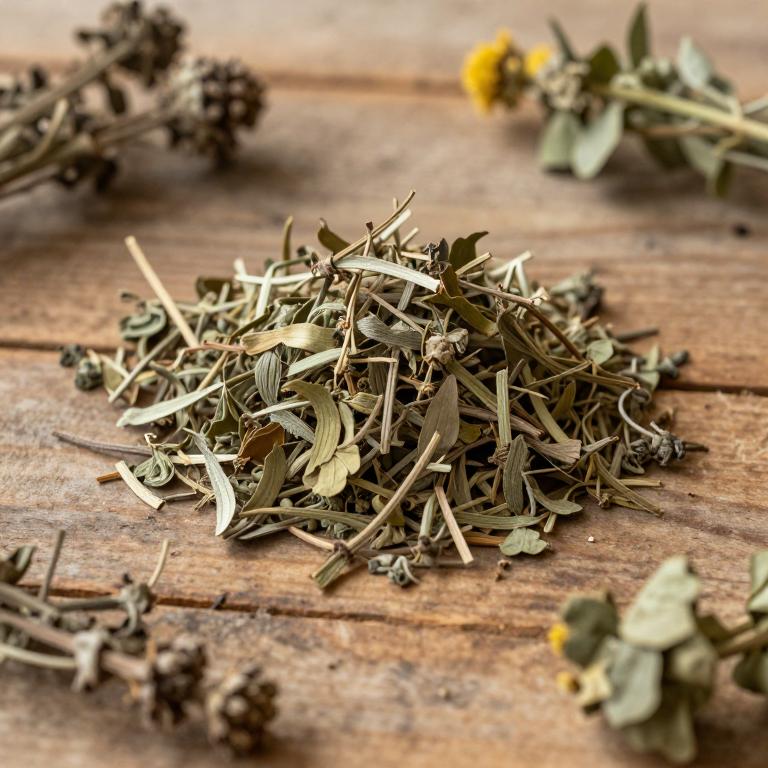
Names and Synonyms
Scientific Names
Accepted name
Acmella radicansSynonyms
- Sanvitalia longepedunculata
- Spilanthes exasperata var. cayennensis
- Spilanthes botterii
- Spilanthes leucophaea
- Spilanthes radicans
- Acmella debilis
- Acmella tenella
- Ceratocephalus debilis
- Ceratocephalus tenellus
- Spilanthes debilis
- Spilanthes mandonii
- Spilanthes tenella
- Acmella radicans var. debilis
- Spilanthes exasperata
- Ceratocephalus exasperatus
- Spilanthes ocymifolia var. acutiserrata
Regional and Traditional Names
Spanish:
- quiebramuelas
Sources: Wikidata, Catalogue of Life
Taxonomical Classification
This plant, Acmella radicans, belongs to the kingdom Plantae and the phylum Streptophyta. Within the class Equisetopsida and subclass Magnoliidae, it is categorized under the order Asterales. Finally, it is classified under the family Asteraceae within the genus Acmella.
| Rank | Classification |
|---|---|
| Kingdom | Plantae |
| Phylum | Streptophyta |
| Class | Equisetopsida |
| Subclass | Magnoliidae |
| Order | Asterales |
| Family | Asteraceae |
| Genus | Acmella |
Sources: The World Checklist of Vascular Plants (WCVP)
Distribution
This plant exhibits a broad geographical distribution spanning several diverse regions across the globe. In West Tropical Africa, its presence is specifically noted within the borders of Guinea. Its range extends to East Tropical Africa, where it can be found in Tanzania. Within the Indian Subcontinent, the species is distributed across both Assam and Bangladesh. Finally, the plant is also documented in the southeastern parts of China.
| Region | Area |
|---|---|
| West Tropical Africa | Guinea |
| East Tropical Africa | Tanzania |
| China | China Southeast |
| Indian Subcontinent | Assam |
| Indian Subcontinent | Bangladesh |
| Indian Subcontinent | East Himalaya |
| Indian Subcontinent | India |
| Indian Subcontinent | Nepal |
| Indian Subcontinent | West Himalaya |
| Indo-China | Andaman Is. |
Sources: The World Checklist of Vascular Plants (WCVP)
Botanical Identification
Ecology
The ecology of Acmella radicans is characterized by a broad vertical distribution across diverse topographic gradients, allowing it to occupy a wide variety of habitats. This species exhibits significant adaptability to varying altitudes, maintaining an elevational range that extends from sea level (0 m AMSL) up to a maximum altitude of 1650 m AMSL. This expansive range suggests that the plant can thrive in both lowland tropical environments and higher-altitude montane zones, provided the specific microclimatic requirements for its growth are met. Such wide altitudinal tolerance often correlates with a capacity to endure fluctuating temperature regimes and varying levels of humidity found across these different elevations.
- Elevational range max:
- 1650 m AMSL
- Elevational range min:
- 0 m AMSL
Morphology
The morphology of Acmella radicans is characterized by its growth form as a non-woody herb, specifically functioning as a forb. It exhibits a self-supporting climbing habit, categorized as a self-supporting vine rather than an obligatory or facultative climber. Regarding its ecological niche and habitat, the plant is terrestrial in nature, lacking any epiphytic tendencies such as being a holoepiphyte or hemiepiphyte. Furthermore, it is an independent organism, showing no parasitic behavior, and while its habitat can vary, its morphological classification remains strictly within the terrestrial spectrum rather than being aquatic or semiaquatic.
- Aquatic :
- terrestrial
- Climber :
- self-supporting
- Epiphyte :
- terrestrial
- Growth form :
- herb
- Parasite :
- independent
- Woodiness :
- non-woody
Sources: Global Inventory of Floras and Traits (GIFT)
Plant Parts
Acmella radicans has 1 reported plant parts identified across 1 scientific publications and several other databases that are studied for medicinal purposes. The most consistently reported plant part include root.
| Plant part | Supporting sources | Consensus |
|---|---|---|
| Root | 1 supporting sources | ★☆☆☆☆ |
Root
- International journal of molecular sciences
Chemicals
Acmella radicans has 5 reported phytochemicals identified across 1 scientific publications and several other databases. The most consistently reported chemicals include Indole-3-butyric acid, Jasmonic acid, Spilanthol, n-isobutyl-2e,6z,8e-decatrienamide, salicylic acid.
| Chemical | Supporting sources | Consensus |
|---|---|---|
| Indole-3-butyric acid | 1 supporting sources | ★☆☆☆☆ |
| Jasmonic acid | 1 supporting sources | ★☆☆☆☆ |
| Spilanthol | 1 supporting sources | ★☆☆☆☆ |
| n-isobutyl-2e,6z,8e-decatrienamide | 1 supporting sources | ★☆☆☆☆ |
| salicylic acid | 1 supporting sources | ★☆☆☆☆ |
Indole-3-butyric acid
- Biomolecules
Jasmonic acid
- Biomolecules
Spilanthol
- International journal of molecular sciences
n-isobutyl-2e,6z,8e-decatrienamide
- International journal of molecular sciences
salicylic acid
- Biomolecules
Activities
Acmella radicans has 2 reported activities identified across 1 scientific publications and several other databases. The most consistently reported activities include Antibacterial, Antioxidant.
| Activity | Supporting sources | Consensus |
|---|---|---|
| Antibacterial | 1 supporting sources | ★☆☆☆☆ |
| Antioxidant | 1 supporting sources | ★☆☆☆☆ |
Antibacterial
- International journal of molecular sciences
Antioxidant
- International journal of molecular sciences
Conditions
Acmella radicans has 1 reported investigations on conditions identified across 1 scientific publications and several other databases. The most consistently reported conditions include toothache.
| Condition | Supporting sources | Consensus |
|---|---|---|
| Toothache | 1 supporting sources | ★☆☆☆☆ |
Toothache
- International journal of molecular sciences
Preparations
Acmella radicans has 6 reported preparations identified across 1 scientific publications and several other databases. The most consistently reported preparations include adventitious root culture, dichloromethane fractions of the aerial parts (DFAE), dichloromethane fractions of the root extracts (DFRE), ethanolic extracts from the aerial parts (AE), ethanolic extracts from the roots (RE).
| Preparation | Supporting sources | Consensus |
|---|---|---|
| Adventitious root culture | 1 supporting sources | ★☆☆☆☆ |
| Dichloromethane fractions of the aerial parts (dfae) | 1 supporting sources | ★☆☆☆☆ |
| Dichloromethane fractions of the root extracts (dfre) | 1 supporting sources | ★☆☆☆☆ |
| Ethanolic extracts from the aerial parts (ae) | 1 supporting sources | ★☆☆☆☆ |
| Ethanolic extracts from the roots (re) | 1 supporting sources | ★☆☆☆☆ |
| Hexane fractions | 1 supporting sources | ★☆☆☆☆ |
Adventitious root culture
- Biomolecules
Dichloromethane fractions of the aerial parts (dfae)
- International journal of molecular sciences
Dichloromethane fractions of the root extracts (dfre)
- International journal of molecular sciences
Ethanolic extracts from the aerial parts (ae)
- International journal of molecular sciences
Ethanolic extracts from the roots (re)
- International journal of molecular sciences
Hexane fractions
- International journal of molecular sciences