Achillea tenuifolia
Achillea tenuifolia · Accepted scientific name
Scientific literature: Very Sparse (0 studies) · ★☆☆☆☆
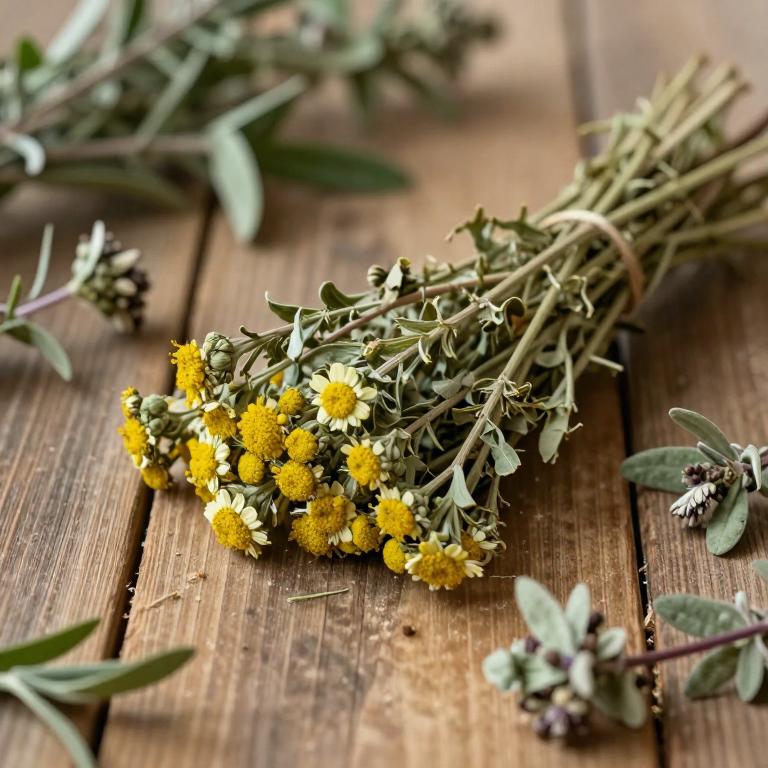
Achillea tenuifolia is a distinctive perennial herb known for its fine, thread-like foliage and delicate floral displays. Scientific investigations into this species have identified specific chemical constituents, including the presence of phthalic acid. Researchers frequently focus on the plant's root to study its complex biochemical profile. Various specialized preparations are utilized for analysis, such as extracts and hydro-distilled essential oils. These essential oils serve as vital components in understanding the plant's broader therapeutic and chemical potential.
- Synonyms
- Achillea Microloba · Anthemis Caespitosa · 3 more
- Common names
- Not available
- Family
- Asteraceae
- Distribution
- Not available
- Plant Parts
- Root
Classification
Synonyms
Achillea tenuifolia is a plant species characterized by a complex botanical history involving several taxonomic synonyms. Scientific literature identifies this species under various alternative names, such as Achillea microloba and Achillea santolina. Furthermore, it has been historically classified under the genus Anthemis, specifically as Anthemis caespitosa and Anthemis pseudoatrata. The nomenclature also encompasses the designation Anthemis tenuifolia, reflecting the evolving nature of botanical classification. Understanding these relationships is essential for researchers attempting to navigate the diverse naming conventions associated with this plant.
Sources: The World Checklist of Vascular Plants (WCVP)
Taxonomy
Achillea tenuifolia is a distinct member of the kingdom Plantae. Within this vast biological kingdom, the plant is classified under the class Equisetopsida. It belongs to the order Asterales, which connects it to many other diverse flowering species. Furthermore, it is nested within the family Asteraceae, a group known for its complex flower structures. Ultimately, this plant is identified by its specific genus, Achillea.
| Rank | Classification |
|---|---|
| Kingdom | Plantae |
| Phylum | Streptophyta |
| Class | Equisetopsida |
| Subclass | Magnoliidae |
| Order | Asterales |
| Family | Asteraceae |
| Genus | Achillea |
Sources: The World Checklist of Vascular Plants (WCVP)
Distribution
Geographic Regions
Achillea tenuifolia is a resilient species primarily distributed across the diverse landscapes of Asia-Temperate regions. Its natural range extends through the rugged terrain of the Caucasus and Transcaucasus. The plant is also widely established within Central Asia, specifically throughout Turkmenistan and Uzbekistan. Furthermore, its presence reaches into Western Asia, where it thrives in the environments of Iran. Finally, this species can be found spanning the Levant region, including Lebanon and Syria.
Sources: The World Checklist of Vascular Plants (WCVP)
Identification
Morphology
Achillea tenuifolia is a versatile herb characterized by its distinct growth form. This plant typically reaches a maximum height of 0.75 m, though it can remain as short as 0.05 m depending on its environment. Such flexibility in stature allows it to adapt effectively to various landscapes.
Sources: Global Inventory of Floras and Traits (GIFT)
Biological Activities
Compounds
Achillea tenuifolia has been identified as a medicinal plant that contains phthalic acid within its essential oils. Research indicates that these phthalate derivatives can enter the plant through the absorption and accumulation of environmental contaminants from soil and water. Specifically, chemical analysis via GC-MS revealed that phthalic acid was present in the second extracted oil during the study. This finding is particularly concerning because phthalates are known to cause endocrine disruption, reproductive toxicity, and cancer. Consequently, rigorous quality control is essential to ensure that medicinal species like this one remain safe for human consumption.
Conditions
Achillea tenuifolia demonstrates significant medicinal potential through its ability to treat diabetes by increasing insulin secretion in pancreatic islet cells. The plant's root extract also serves to reduce the levels of reactive oxygen species (ROS) within these cells. Additionally, the herbal extract effectively treats lipid peroxidation (LPO) by mitigating oxidative damage. These combined biological activities highlight its capacity to improve cell viability and increase overall antioxidant capacity. Consequently, the plant functions as a potent agent against both diabetic markers and oxidative stress processes.
Preparations
Achillea tenuifolia is prepared as essential oils to utilize its various biological activities and traditional medicinal applications. This herbaceous plant is also prepared as extracts, which can sometimes contain detectable phthalate derivatives. Specifically, the plant root is prepared as hydro-distilled essential oils through a process using a Clevenger type apparatus. These hydro-distilled essential oils are then analyzed to identify their specific chemical constituents. Such preparation methods are critical for understanding the potential contamination levels within the plant's products.
Parts used
Achillea tenuifolia is a widely growing medicinal herb in Iran that has long been valued for its traditional applications. In recent studies, researchers have focused on the plant root to extract essential oils through a process of hydro-distillation. These extracts are of significant concern because they have been found to contain phthalate derivatives, which are known environmental contaminants. Such pollutants can be absorbed from soil and water, eventually accumulating within the medicinal components of the plant. Consequently, rigorous quality control is necessary to ensure that these essential oils remain safe for human use.