Achillea santolinoides
Achillea santolinoides · Accepted scientific name
Scientific literature: Very Sparse (1 studies) · ★☆☆☆☆
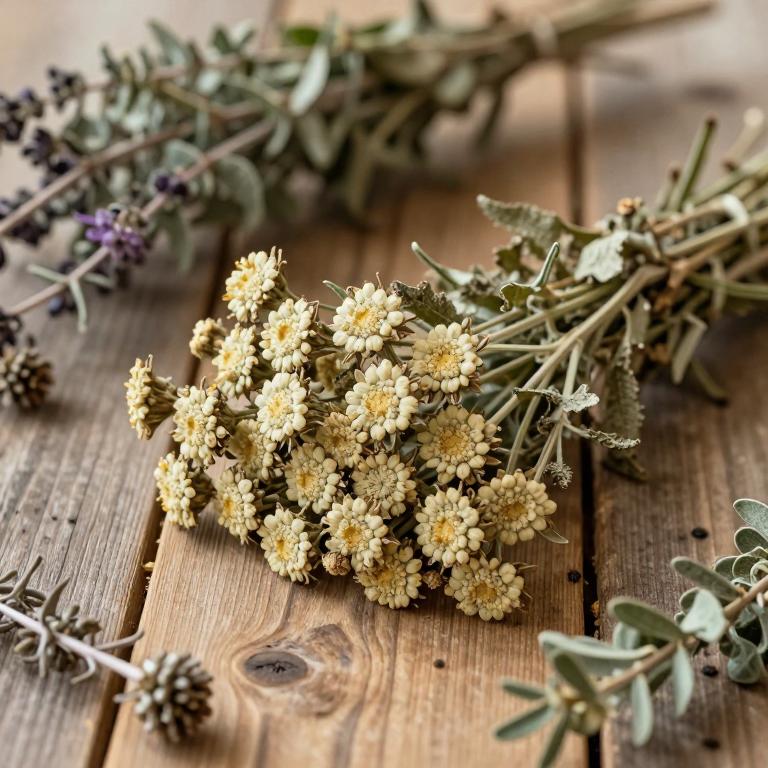
Achillea santolinoides is a fascinating botanical species that has recently garnered scientific interest due to its unique biochemical profile. Research indicates that the plant's root contains potent compounds capable of performing significant antioxidant activities. These properties are particularly noteworthy in the context of neuroprotection and the management of oxidative stress. Specifically, studies are exploring how these extracts might offer therapeutic potential for conditions such as Alzheimer's Disease. Understanding these medicinal qualities opens new doors for developing natural interventions against cognitive decline.
- Synonyms
- Achillea Wilhelmsii Subsp. Santolinoides
- Common names
- Not available
- Family
- Asteraceae
- Distribution
- Not available
- Plant Parts
- Root
Classification
Common Names
Achillea santolinoides is a unique botanical species recognized by its distinctive characteristics and growth patterns. In local contexts, this plant is widely known by its common Arabic name, قيصوم فواح. Understanding these linguistic connections helps researchers and enthusiasts identify the plant across different cultural landscapes. Such naming conventions bridge the gap between scientific classification and traditional herbal knowledge. By studying these relationships, we gain a deeper appreciation for the diverse ways nature is categorized globally.
Sources: Catalogue of Life (COL)
Synonyms
Achillea santolinoides is a plant species that is recognized in botanical literature under multiple names. Specifically, it is widely documented as a synonym for Achillea wilhelmsii subsp. santolinoides. This taxonomic relationship can sometimes cause confusion for researchers and gardeners alike. Understanding these overlapping classifications is essential for ensuring accurate identification in the field. Therefore, recognizing both names allows for better consistency in scientific communication.
Sources: The World Checklist of Vascular Plants (WCVP)
Taxonomy
Achillea santolinoides is a unique botanical specimen that belongs to the vast kingdom Plantae. Within this biological realm, the plant is classified under the class Equisetopsida. It further falls into the order Asterales, showcasing its specific evolutionary lineage. As a member of the Asteraceae family, it shares characteristics with many well-known flowering plants. Finally, it is categorized under the genus Achillea, which defines its precise taxonomic identity.
| Rank | Classification |
|---|---|
| Kingdom | Plantae |
| Phylum | Streptophyta |
| Class | Equisetopsida |
| Subclass | Magnoliidae |
| Order | Asterales |
| Family | Asteraceae |
| Genus | Achillea |
Sources: The World Checklist of Vascular Plants (WCVP)
Distribution
Geographic Regions
Achillea santolinoides is a resilient plant species with a notable presence across several distinct geographical regions. Its distribution spans the diverse landscapes of Northern Africa, where it can be found thriving in both Algeria and Morocco. Beyond the African continent, the species also extends its reach into Europe. Specifically, it is well-established within the Southwestern European territory of Spain. This wide range highlights the plant's ability to adapt to the varied climates of the Mediterranean basin.
Sources: The World Checklist of Vascular Plants (WCVP)
Identification
Biological Activities
Achillea santolinoides has demonstrated significant antioxidant activity through various biochemical assessments. Research indicates that the methanol extract of its roots is particularly effective at scavenging DPPH and ABTS radicals. Additionally, this species exhibits high reducing potential when measured via CUPRAC and FRAP assays. These potent antioxidant properties suggest that the plant could play a role in managing conditions linked to oxidative stress. Consequently, these findings highlight the potential for the species to be utilized in future phytotherapeutic applications.
Compounds
Conditions
Achillea santolinoides shows significant potential in the phytotherapeutic management of Alzheimer's disease and epidermal hyperpigmentation. Research indicates that the ethyl acetate extracts of this species demonstrate high inhibition against BuChE, which is relevant to treating Alzheimer's. Additionally, the plant's aerial part extracts exhibit strong inhibition of tyrosinase, an enzyme key to addressing epidermal hyperpigmentation. Both of these medical conditions are associated with oxidative stress, which the plant's antioxidant properties may help mitigate. Consequently, these biological activities suggest that the species could serve as a novel natural treatment for these specific ailments.
Preparations
Parts used
Achillea santolinoides serves as a significant subject of phytochemical study, particularly regarding its diverse biological components. Researchers have focused on analyzing both the aerial parts and the root of this species to uncover its medicinal potential. Specifically, the methanol extract of the Achillea santolinoides root has demonstrated remarkable antioxidant capabilities by actively scavenging DPPH and ABTS radicals. These root extracts also contribute to the plant's overall profile, which includes various phenolic acids and flavonoids. Ultimately, understanding these specific plant parts helps highlight the species' potential for future therapeutic applications.