Achillea multifida
Achillea multifida · Accepted scientific name
Scientific literature: Very Sparse (0 studies) · ★☆☆☆☆
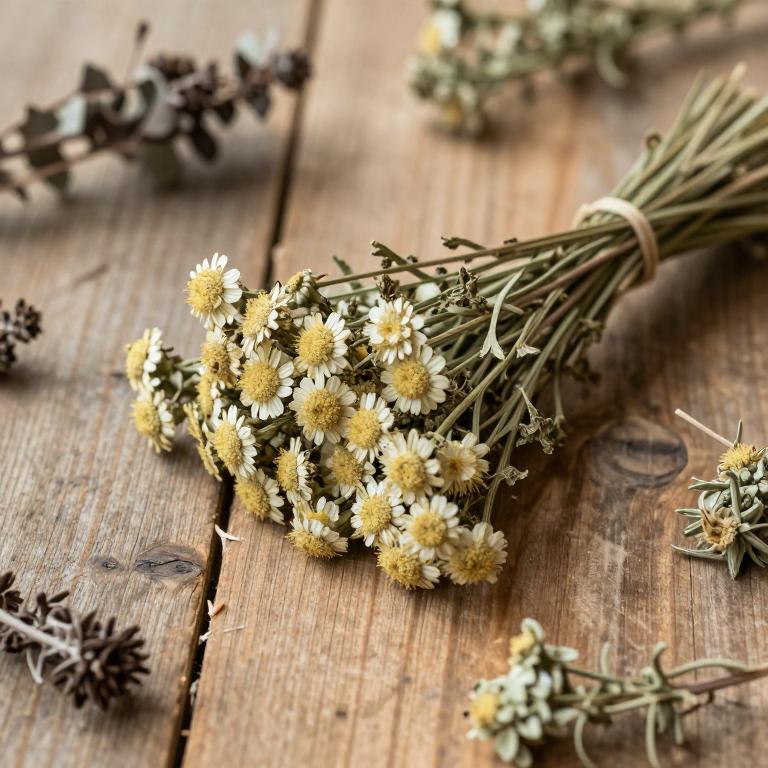
Achillea multifida is a distinctive perennial herb known for its finely divided foliage and delicate flowering structures. This species is notable for containing chlorogenic acid, a potent chemical compound valued for its antioxidant properties. Researchers often explore its biological potential by studying its interactions under specific conditions, such as those involving yeast. Various forms of the plant are utilized in scientific and practical applications, including AME and concentrated essential oil preparations. Understanding these multifaceted aspects makes this plant a subject of significant interest in both botanical and chemical studies.
- Synonyms
- Achillea Atrata Subsp. Multifida · Ptarmica Multifida
- Common names
- Not available
- Family
- Asteraceae
- Distribution
- Not available
- Plant Parts
- Not available
Classification
Synonyms
Achillea multifida is a fascinating species that is known by several different botanical names depending on the taxonomic classification used. In some scientific contexts, it is recognized under the synonym Achillea atrata subsp. multifida. Researchers may also encounter this plant identified as Ptarmica multifida within older or alternative literature. These varying names reflect the complex evolutionary relationships and historical shifts in how botanists categorize the genus. Understanding these synonyms is essential for anyone looking to accurately identify the plant across different academic resources.
Sources: The World Checklist of Vascular Plants (WCVP)
Taxonomy
Achillea multifida is a fascinating botanical specimen that belongs to the kingdom Plantae. Within this vast biological realm, it is specifically classified under the class Equisetopsida. This plant further distinguishes itself as a member of the order Asterales. It holds a prominent position within the family Asteraceae, showcasing the intricate structures common to its kin. Ultimately, its identity is defined by its membership in the genus Achillea.
| Rank | Classification |
|---|---|
| Kingdom | Plantae |
| Phylum | Streptophyta |
| Class | Equisetopsida |
| Subclass | Magnoliidae |
| Order | Asterales |
| Family | Asteraceae |
| Genus | Achillea |
Sources: The World Checklist of Vascular Plants (WCVP)
Distribution
Geographic Regions
Achillea multifida is a resilient plant with a diverse geographic range spanning several regions. In Asia, it can be found throughout the temperate zones, with notable presence in Western Asia and Türkiye. Its distribution extends significantly into Europe, particularly across the southeastern reaches of the continent. Within these European territories, the species is well-established in countries such as Bulgaria. Additionally, the plant thrives throughout the Northwestern Balkan Peninsula, marking its wide ecological footprint.
Sources: The World Checklist of Vascular Plants (WCVP)
Identification
Biological Activities
Compounds
Achillea multifida stands out as one of the most biologically active plant species identified in the flora of northwestern Anatolia. Scientific evaluations of its extracts have revealed that the plant contains significant amounts of chlorogenic acid. In addition to this compound, the phytochemical profile of the species is characterized by the presence of various phenolic components. These chemical constituents contribute to the plant's ability to induce DNA damage and trigger apoptotic cell death in malignant breast cell lines. Such findings highlight the medicinal potential of the species and underscore the importance of protecting its natural habitat.
Conditions
Achillea multifida demonstrates significant biological activity by inducing apoptotic cell death in the non-malignant MCF-10A breast cell line. The plant extract also effectively treats malignant breast cancer cells, specifically the MCF-7 and MDA-MB-231 lines. In these cancer cell studies, the extract induces DNA damage and can result in mitotic catastrophe depending on the dose. Beyond its anticancer properties, the essential oil of the plant shows potent antimicrobial activity. Specifically, it works to treat human pathogenic bacteria and yeast by inhibiting their growth.
Preparations
Achillea multifida is prepared as AME, which has been shown to induce apoptotic cell death and mitotic catastrophe in breast cell lines. This specific extract contains major phenolic compounds such as chlorogenic acid. Additionally, Achillea multifida is prepared as an essential oil through water distillation. The resulting essential oil is composed primarily of alpha-thujone, beta-thujone, sabinene, and camphor. This oil also demonstrates significant antimicrobial activity against various human pathogenic bacteria and yeast.