Achillea eriophora
Achillea eriophora · Accepted scientific name
Scientific literature: Very Sparse (0 studies) · ★☆☆☆☆
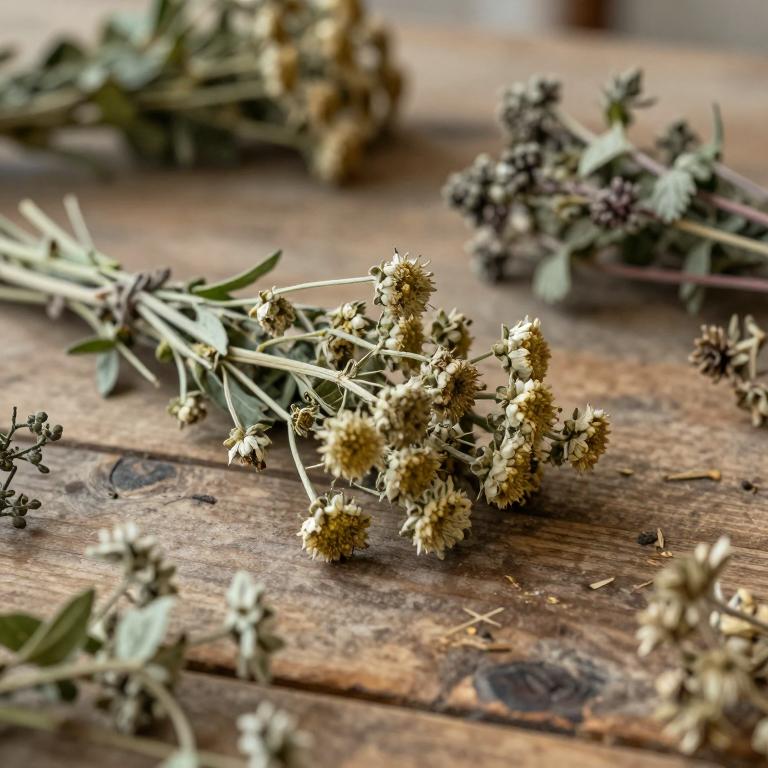
Achillea eriophora is a botanical species recognized for its specific therapeutic potential in managing cardiovascular health. This plant is primarily utilized to address conditions related to blood pressure, specifically targeting hypotension. Researchers focus on the medicinal properties found within the plant's leaf and stem to derive healing benefits. To access these active compounds, a hydroethanolic extract is typically prepared for medicinal use. Understanding this plant's chemical profile is essential for exploring its role in regulating low blood pressure levels.
- Synonyms
- Not available
- Common names
- Not available
- Family
- Asteraceae
- Distribution
- Asia-Tropical
- Plant Parts
- Leaf · Stem
Classification
Common Names
Achillea eriophora is a distinctive botanical species commonly known by the name کلپوره. This plant belongs to a fascinating genus that often shares similar characteristics with other members of its family. Understanding its local nomenclature helps enthusiasts connect more deeply with the natural landscape where it thrives. By recognizing its identity through this common name, researchers can better document its ecological role. Such linguistic connections serve as a vital bridge between traditional botanical knowledge and modern scientific study.
Sources: Catalogue of Life (COL)
Taxonomy
Achillea eriophora is a distinct biological entity that belongs to the kingdom Plantae. Within this vast kingdom, it is classified under the class Equisetopsida. Its taxonomic journey continues through the order Asterales, placing it in a specific evolutionary lineage. Furthermore, the plant is a member of the expansive Asteraceae family. Ultimately, it is defined by its specific placement within the genus Achillea.
| Rank | Classification |
|---|---|
| Kingdom | Plantae |
| Phylum | Streptophyta |
| Class | Equisetopsida |
| Subclass | Magnoliidae |
| Order | Asterales |
| Family | Asteraceae |
| Genus | Achillea |
Sources: The World Checklist of Vascular Plants (WCVP)
Distribution
Geographic Regions
Achillea eriophora is a resilient plant species primarily found within the Asia-Temperate climatic zones. Its geographic distribution is quite specific, stretching across various landscapes in Western Asia. Notably, the plant maintains a strong presence throughout the mountainous and arid regions of Iran. This regional concentration suggests a specialized adaptation to the unique environmental conditions of these territories. Understanding these habitats is essential for grasping the ecological role this species plays in its native range.
Sources: The World Checklist of Vascular Plants (WCVP)
Identification
Biological Activities
Compounds
Conditions
Achillea eriophora exerts a significant influence on cardiovascular function by treating various measures of blood pressure. Specifically, the plant acts to treat hypotension through its induced hypotensive effects. Research indicates that it effectively treats systolic arterial blood pressure (SBP) by significantly reducing its levels. Furthermore, the extract is shown to treat diastolic arterial blood pressure (DBP) and mean arterial blood pressure (MAP) in a similar manner. Through these actions, Achillea eriophora demonstrates a comprehensive ability to treat overall blood pressure in studied models.
Preparations
Achillea eriophora is prepared as a hydroethanolic extract to investigate its specific cardiovascular effects. This hydroethanolic extract, referred to as HEAE, was administered intravenously to anaesthetized rats in varying doses. The preparation serves as the primary medium for testing the plant's impact on mean arterial, systolic, and diastolic blood pressure. Researchers used this specific extract to explore potential interactions with the cholinergic and nitrergic systems. Ultimately, the hydroethanolic preparation of the plant was found to induce a hypotensive effect by lowering total peripheral resistance.
Parts used
Achillea eriophora is a traditional medicinal herb recognized for its significant pharmacological potential. Research indicates that various components of this plant can be utilized to produce bioactive extracts. Specifically, the plant consists of key anatomical parts such as the leaf and the stem. These distinct parts are processed through methods like maceration to isolate important phenol and flavonoid compounds. By studying these specific structures, scientists aim to harness the antioxidant properties of the species for pharmaceutical use.