Acer platanoides
Acer platanoides · Accepted scientific name
Scientific literature: Very Sparse (0 studies) · ★☆☆☆☆
Acer platanoides, commonly known as the Norway maple, is a significant botanical species often studied for its complex chemical profile. Research into this plant has specifically identified the presence of various bioactive flavonoids within its tissues. To investigate these properties, scientists frequently utilize methanol extracts to isolate the plant's essential compounds. These extracts are then subjected to enzymatic assays involving trypsin and urokinase to evaluate their biological activity. Such studies provide critical insights into the potential therapeutic applications of the species' secondary metabolites.
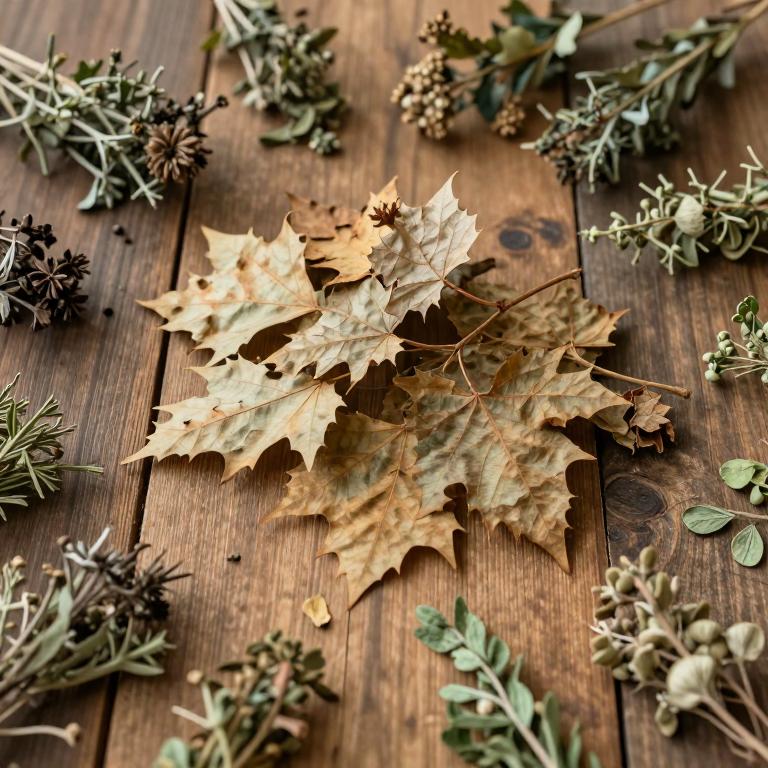
- Synonyms
- Euacer Platanoides
- Common names
- Not available
- Family
- Sapindaceae
- Distribution
- Not available
- Plant Parts
- Not available
Classification
Common Names
Acer platanoides is a versatile tree species known by a wide variety of regional names. In many Spanish-speaking contexts, it is frequently referred to as Acirón or Acirón noruego. Some botanical circles also recognize it under the name Aieresse to distinguish its specific characteristics. It is equally common to encounter it called Arce de Noruega, reflecting its European origins. Finally, the plant is often celebrated as the Arce real, highlighting its impressive stature and beauty.
Sources: Catalogue of Life (COL)
Synonyms
Acer platanoides is a widely recognized species commonly known as the Norway maple. Within botanical literature, this plant is also documented under the synonym Euacer platanoides. This taxonomic shift reflects evolving classifications used by scientists to organize plant families. Understanding these synonymous relationships is essential for researchers tracking the species across different databases. Consequently, recognizing both names ensures accuracy when discussing the plant's ecological role.
Sources: The World Checklist of Vascular Plants (WCVP)
Taxonomy
Acer platanoides is a significant member of the kingdom Plantae. Within this vast biological group, the species belongs to the class Equisetopsida. It is further categorized under the order Sapindales, showcasing its evolutionary connections. The plant is a prominent representative of the genus Acer, which defines its core characteristics. Finally, it is classified within the family Sapindaceae, completing its formal botanical identity.
| Rank | Classification |
|---|---|
| Kingdom | Plantae |
| Phylum | Streptophyta |
| Class | Equisetopsida |
| Subclass | Magnoliidae |
| Order | Sapindales |
| Family | Sapindaceae |
| Genus | Acer |
Sources: The World Checklist of Vascular Plants (WCVP)
Distribution
Geographic Regions
Acer platanoides exhibits a broad and diverse distribution across the Asia-Temperate region. Its presence is notably established within the Caucasus and the Transcaucasus, where it thrives in specific regional climates. The species also extends its reach into Central Asia, specifically within the borders of Kazakhstan. Furthermore, it can be found growing throughout the landscapes of Kirgizstan and Tadzhikistan. This wide geographical range underscores the plant's adaptability to various environments across the continent.
Sources: The World Checklist of Vascular Plants (WCVP)
Identification
Morphology
Acer platanoides is a self-supporting species that takes the distinct form of a tree. This plant typically reaches a minimum height of 10 meters as it establishes itself in its environment. In many settings, it achieves a more substantial stature with a minimum height of 21.25 meters. As it matures, the tree can reach a maximum height of approximately 30 meters. Such impressive growth allows it to stand prominently within its natural habitat.
Sources: Global Inventory of Floras and Traits (GIFT)
Biological Activities
Compounds
Conditions
Acer platanoides exhibits significant biological activities across several different tests, including demonstrating larvicidal effects against Culex quinquefasciatus larvae. In studies regarding antiprotease activity, the methanol extracts of this plant show a very high inhibition of the protease trypsin with an IC50 value of 1.8 microg/mL. Furthermore, the plant is distinguished as one of the few extracts capable of showing inhibition activity toward urokinase. These combined properties highlight the diverse chemical potential of the species in both insect control and enzyme inhibition. Specifically, its ability to treat these targets makes it a noteworthy subject in pharmacological research.
Preparations
Acer platanoides is prepared as methanol extracts from its barks, flowers, leaves, and stems. These specific extracts were screened for their ability to inhibit various serine proteases. During the study, the methanol extracts of this species demonstrated strong inhibition activity against the protease trypsin. Furthermore, the plant's extracts were among the few that also exhibited inhibitory activity toward urokinase. These results highlight the biochemical potential of the methanol extracts derived from Acer platanoides.