Acer okamotoanum
Acer okamotoanum · Accepted scientific name
Scientific literature: Very Sparse (0 studies) · ★☆☆☆☆
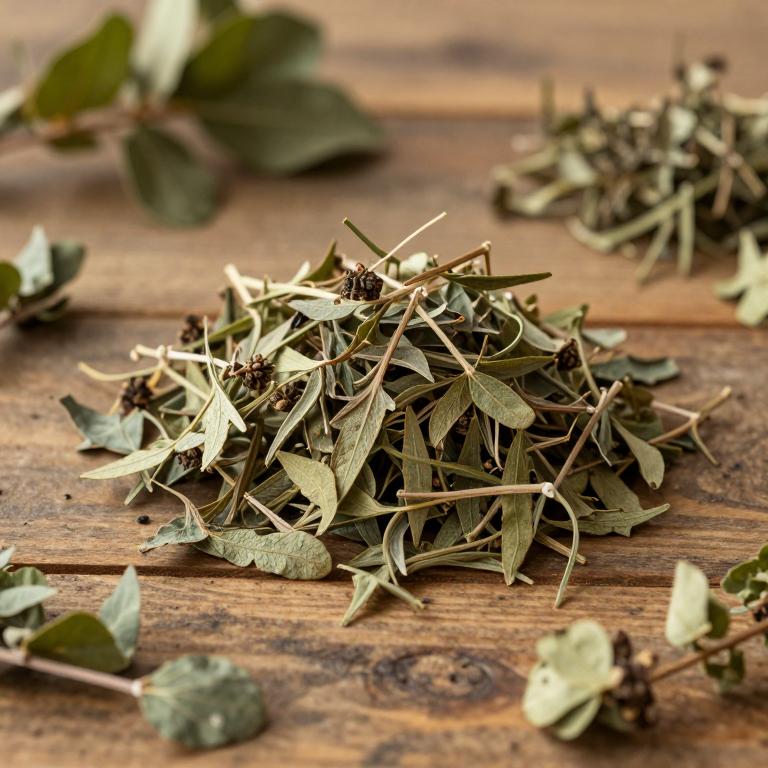
Acer okamotoanum is a significant plant species currently being investigated for its potential therapeutic properties. Recent studies have focused specifically on the leaf components of this plant to identify bioactive compounds. Researchers have utilized an ethyl acetate extract to concentrate these specific chemical constituents for testing. This preparation is being evaluated for its efficacy against the herpes simplex viruses, specifically HSV-1 and HSV-2. Understanding these interactions could pave the way for new natural approaches to managing viral infections.
- Synonyms
- Acer Mono Subsp. Okamotoanum · Acer Pictum Subsp. Okamotoanum
- Common names
- Not available
- Family
- Sapindaceae
- Distribution
- Not available
- Plant Parts
- Leaf
Classification
Synonyms
Acer okamotoanum is a distinctive species that often presents challenges in botanical classification due to its closely related names. It is frequently identified by the synonym Acer mono subsp. okamotoanum in various scientific discussions. Additionally, researchers may refer to this plant as Acer pictum subsp. okamotoanum depending on the taxonomic framework being used. These shifting nomenclature patterns reflect the complex evolutionary ties shared between these various subspecies. Understanding these relationships is essential for anyone looking to accurately identify this beautiful maple in the wild.
Sources: The World Checklist of Vascular Plants (WCVP)
Taxonomy
Acer okamotoanum is a remarkable species belonging to the kingdom Plantae. Within this vast kingdom, it is classified under the class Equisetopsida. The plant further resides in the order Sapindales, showcasing its unique evolutionary path. It is a distinguished member of the family Sapindaceae, which helps define its botanical characteristics. Ultimately, this species is identified by its placement within the well-known genus Acer.
| Rank | Classification |
|---|---|
| Kingdom | Plantae |
| Phylum | Streptophyta |
| Class | Equisetopsida |
| Subclass | Magnoliidae |
| Order | Sapindales |
| Family | Sapindaceae |
| Genus | Acer |
Sources: The World Checklist of Vascular Plants (WCVP)
Distribution
Geographic Regions
Acer okamotoanum is a distinctive species primarily distributed throughout the Asia-Temperate region. This elegant maple finds its natural home across the diverse landscapes of Eastern Asia. Within this vast geographical range, the plant is particularly well-established in the wild areas of Korea. Its presence in these specific locales highlights the unique environmental requirements necessary for its growth. Understanding these regional patterns is essential for studying the plant's ecological role in its native habitat.
Sources: The World Checklist of Vascular Plants (WCVP)
Identification
Biological Activities
Compounds
Conditions
Acer okamotoanum demonstrates significant medicinal potential through its diverse antiviral properties. The methanol extract of its leaves exhibits anti-herpetic activity against both Herpes simplex virus type I (HSV-1) and type II (HSV-2). Specifically, the plant shows selective indexes of 3.92 and 3.51 against these respective viruses. Furthermore, research into its leaf extracts has identified specific compounds that inhibit human immunodeficiency virus-1 (HIV-1) integrase. These findings highlight the plant's ability to target both herpesviruses and key enzymes associated with HIV-1.
Preparations
Acer okamotoanum is prepared as an ethyl acetate extract from its leaves to facilitate chemical analysis. This specific extraction process allows for the bioassay-directed chromatographic fractionation of the plant material. Through this method, researchers isolated a new acylated flavonol glycoside and several other phenolic compounds. The resulting extract is particularly useful for identifying substances with inhibitory activity against HIV-1 integrase. Consequently, the use of ethyl acetate serves as a critical step in discovering bioactive molecules within the species.
Parts used
Acer okamotoanum serves as a significant subject of pharmacological study due to the bioactive properties found within its leaves. Research involving methanol extracts of these leaves has demonstrated measurable anti-herpetic activity against both Herpes simplex virus type I and II. Furthermore, bioassay-directed fractionation of ethyl acetate extracts from the foliage has led to the discovery of unique chemical compounds. Specifically, scientists identified a new acylated flavonol glycoside that exhibits inhibitory activity against HIV-1 integrase. These findings highlight the medicinal potential of the plant's leaf components in combating various viral threats.