Acalypha scabrosa
Acalypha scabrosa · Accepted scientific name
Scientific literature: Very Sparse (3 studies) · ★☆☆☆☆
Acalypha scabrosa is a noteworthy plant species currently being investigated for its diverse range of pharmacological potential. Research focusing on crude methanolic extracts has revealed that this plant possesses significant anticholinesterase, antidiabetic, and antioxidant activities. These biological properties are largely attributed to the presence of bioactive chemical compounds such as flavonoids and terpenoids. Beyond its medicinal value, the plant shows promise in agricultural applications due to its potential use as insecticides. Understanding these multifaceted characteristics highlights the importance of studying Acalypha scabrosa in both healthcare and pest management.
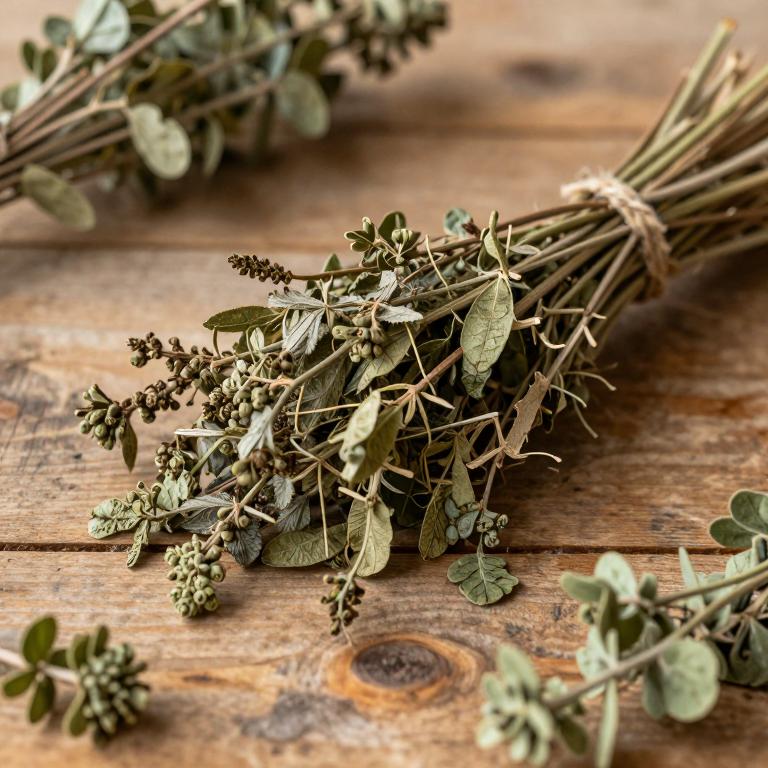
- Synonyms
- Ricinocarpus Scabrosus · Acalypha Scabrosa Var. Betulifolia · 4 more
- Common names
- Not available
- Family
- Euphorbiaceae
- Distribution
- Not available
- Plant Parts
- Not available
Classification
Synonyms
Acalypha scabrosa is a botanical species characterized by a complex web of synonymous classifications. Within scientific literature, it is frequently identified by the synonym Acalypha alnifolia. The plant is also documented under the name Acalypha betulifolia, which encompasses its various taxonomic forms. This includes specific varieties such as Acalypha scabrosa var. betulifolia, var. elongata, and var. ovata. Understanding these overlapping designations is essential for accurate botanical identification and study.
Sources: The World Checklist of Vascular Plants (WCVP)
Taxonomy
Acalypha scabrosa is a unique member of the kingdom Plantae that showcases the intricate complexity of biological classification. Within this vast kingdom, it is specifically categorized under the class Equisetopsida. The plant belongs to the diverse order Malpighiales, which links it to many other significant botanical species. Further narrowing its lineage, it is classified under the genus Acalypha. Finally, it finds its botanical home within the extensive family Euphorbiaceae.
| Rank | Classification |
|---|---|
| Kingdom | Plantae |
| Phylum | Streptophyta |
| Class | Equisetopsida |
| Subclass | Magnoliidae |
| Order | Malpighiales |
| Family | Euphorbiaceae |
| Genus | Acalypha |
Sources: The World Checklist of Vascular Plants (WCVP)
Distribution
Geographic Regions
Acalypha scabrosa is a botanical species primarily found across the diverse landscapes of Southern America. Its presence extends northward through the lush environments of the Caribbean, making it a notable part of the region's flora. Specifically, the plant has established significant populations within the unique ecosystems of Jamaica. This widespread distribution highlights the plant's ability to adapt to various tropical climates and habitats. Understanding its geographical range provides essential insight into the ecological connections found throughout these warm territories.
Sources: The World Checklist of Vascular Plants (WCVP)
Identification
Morphology
Acalypha scabrosa is a self-supporting plant that maintains its own structure without the need for external support.
Sources: Global Inventory of Floras and Traits (GIFT)
Biological Activities
Acalypha scabrosa has emerged as a plant of significant pharmacological interest due to its diverse therapeutic potential. Research indicates that this species possesses notable anticholinesterase activity, which is crucial for addressing neurological concerns. Furthermore, the plant demonstrates effective antidiabetic properties that could aid in managing metabolic health. It also exhibits strong antioxidant capabilities, helping to combat oxidative stress within the body. These combined biological activities suggest that the plant could play a vital role in the development of multifunctional therapeutic agents.
Compounds
Acalypha scabrosa serves as an important subject of interest regarding the presence of specific bioactive compounds. Phytochemical analyses indicate that this plant contains significant amounts of flavonoids. Additionally, the presence of terpenoids within its chemical profile contributes to its complex makeup. These secondary metabolites are often linked to various therapeutic properties in medicinal plant studies. Understanding these relationships is essential for exploring the plant's potential in modern pharmacology.
Conditions
Acalypha scabrosa is recognized for its potential therapeutic applications in managing various health conditions. Specifically, this plant is noted for its ability to treat Alzheimer's disease (AD) and diabetes mellitus (DM). The medicinal properties of the species contribute to its effectiveness in addressing these specific ailments. Additionally, the plant serves a functional role in treating or managing insecticides. These diverse biological activities highlight the multifaceted utility of the species.
Preparations
Acalypha scabrosa is prepared as crude methanolic extracts to facilitate various scientific investigations. These specific extracts are subjected to further fractionation using chloroform, n-butanol, and water. Such processes allow researchers to isolate active components for testing against metabolic and neurological targets. Through this preparation, the plant's chemical properties can be thoroughly evaluated for therapeutic potential. Consequently, the methanolic preparation serves as a foundational step in analyzing the plant's medicinal efficacy.