Acalypha petiolaris
Acalypha petiolaris · Accepted scientific name
Scientific literature: Very Sparse (0 studies) · ★☆☆☆☆
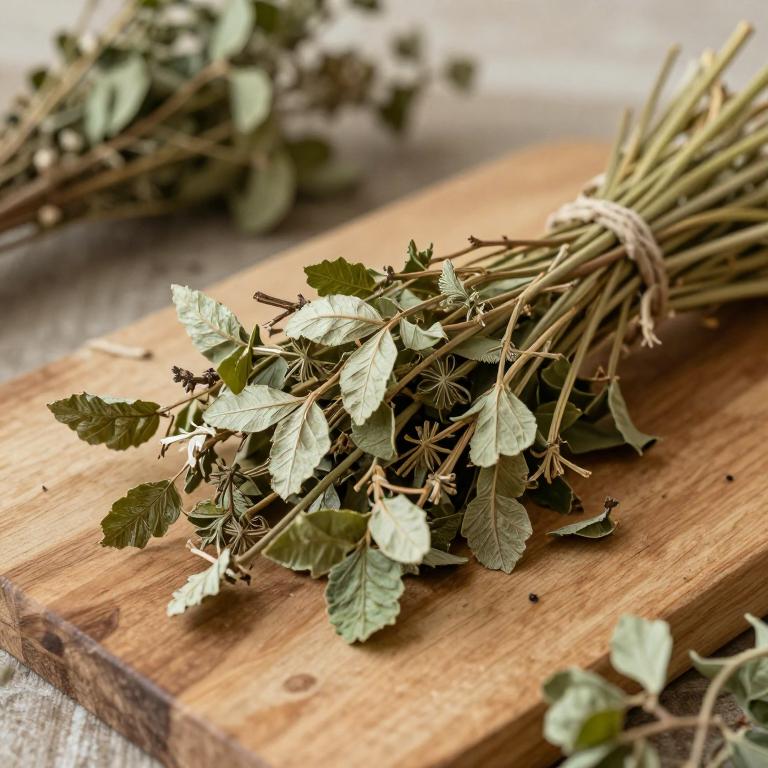
Acalypha petiolaris, commonly known as copperleaf, is a versatile plant frequently studied for its diverse pharmacological properties. Recent botanical research has begun to explore its potential role in addressing reproductive health concerns, specifically regarding infertility. By examining its bioactive compounds, scientists hope to uncover natural ways to support hormonal balance and reproductive function. This plant offers a promising avenue for those seeking holistic approaches to improving fertility levels. Understanding its chemical makeup is essential for harnessing its therapeutic benefits in modern wellness.
- Synonyms
- Ricinocarpus Petiolaris · Acalypha Tenuis Var. Eglandulosa · 19 more
- Common names
- Not available
- Family
- Euphorbiaceae
- Distribution
- Africa
- Plant Parts
- Not available
Classification
Synonyms
Acalypha petiolaris is a complex species that is frequently identified by several different botanical names. Within taxonomic literature, it is recognized by synonyms such as Acalypha chariensis and Acalypha hirsuta. Researchers also categorize it under the names Acalypha haplostyla and its specific variation, Acalypha haplostyla var. longifolia. Additionally, the name Acalypha rehmannii is often used interchangeably to describe this plant. Understanding these various synonyms is essential for accurate identification and consistent scientific communication.
Sources: The World Checklist of Vascular Plants (WCVP)
Taxonomy
Acalypha petiolaris is a distinct member of the kingdom Plantae. Within this vast biological realm, the plant is classified under the class Equisetopsida. It belongs to the specific order Malpighiales, which helps scientists understand its evolutionary lineage. Further narrowing its identity, the species is placed within the family Euphorbiaceae. Finally, it is categorized under the genus Acalypha, defining its unique botanical characteristics.
| Rank | Classification |
|---|---|
| Kingdom | Plantae |
| Phylum | Streptophyta |
| Class | Equisetopsida |
| Subclass | Magnoliidae |
| Order | Malpighiales |
| Family | Euphorbiaceae |
| Genus | Acalypha |
Sources: The World Checklist of Vascular Plants (WCVP)
Distribution
Geographic Regions
Acalypha petiolaris is a plant species primarily distributed across various regions of the African continent. Within East Tropical Africa, its presence is well-documented in the countries of Kenya, Tanzania, and Uganda. The species also extends its range into Northeast Tropical Africa, where it can be found in Chad. Additionally, the plant maintains a notable distribution within the borders of Eritrea. This wide geographic spread highlights the plant's adaptability to diverse African environments.
Sources: The World Checklist of Vascular Plants (WCVP)
Identification
Morphology
Acalypha petiolaris is a self-supporting herb that maintains a distinct presence within its ecosystem. This plant exhibits a versatile growth habit, with its stature varying significantly based on environmental conditions. Typically, individuals can be found ranging in height from a diminutive 0.1 m to a more substantial 2 m. Such flexibility in size allows the species to adapt effectively to its surrounding habitat.
Sources: Global Inventory of Floras and Traits (GIFT)
Biological Activities
Compounds
Conditions
Acalypha petiolaris is noted for its medicinal potential in treating various reproductive and sexual health concerns. This plant is used to manage erectile dysfunction (ED) among populations in the East African Community. Additionally, it serves as a remedy for addressing sexual inappetence. The plant also plays a role in treating infertility to support reproductive health. Furthermore, Acalypha petiolaris is utilized for the purpose of increasing fertility.