Acalypha ornata
Acalypha ornata · Accepted scientific name
Scientific literature: Very Sparse (1 studies) · ★☆☆☆☆
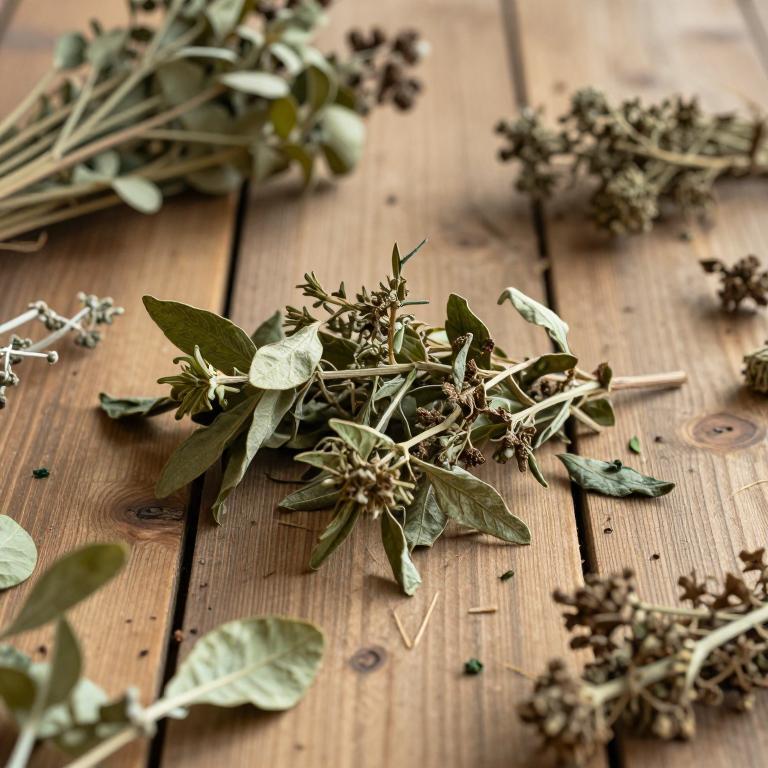
, scientifically known as Acalypha ornata, is a striking ornamental shrub prized for its vibrant, pendulous bracts. Beyond its aesthetic beauty, this tropical plant holds significant traditional value. Often utilized in various herbal remedies, it serves as a fascinating subject for exploring the intersection of horticulture and medicinal ethnobotany.
- Family
- Not available
- Native range
- Africa
- Parts used
- Leaf
- Common names
- Not available
- Scientific synonyms
- Not available
Names and Synonyms
Scientific Names
Accepted name
Acalypha ornataDistribution
This plant exhibits a specific distribution pattern concentrated within the tropical regions of the African continent. In West Tropical Africa, its presence has been documented in Nigeria. Moving into West-Central Tropical Africa, the species can be found in Burundi and the Central African Republic. Furthermore, the plant extends its range into Cameroon. Finally, its geographical reach includes the nation of Congo.
| Region | Area |
|---|---|
| West Tropical Africa | Nigeria |
| West-Central Tropical Africa | Burundi |
| West-Central Tropical Africa | Central African Republic |
| West-Central Tropical Africa | Cameroon |
| West-Central Tropical Africa | Congo |
| West-Central Tropical Africa | Equatorial Guinea |
| West-Central Tropical Africa | Gulf of Guinea Is. |
| West-Central Tropical Africa | Rwanda |
| West-Central Tropical Africa | DR Congo |
| Northeast Tropical Africa | Eritrea |
Sources: The World Checklist of Vascular Plants (WCVP)
Botanical Identification
Ecology
The ecology of Acalypha ornata is defined by its preference for high-moisture environments, typically thriving within moist forests or dense riverine vegetation. This species occupies a specific altitudinal niche, establishing itself across a diverse vertical gradient that spans from a minimum elevation of 765 m AMSL to a maximum elevation of 1920 m AMSL. Its distribution is closely tied to these hydric habitats, where the consistent availability of water in forest understories or near watercourses supports its growth requirements.
- Elevational range max:
- 1920 m AMSL
- Elevational range min:
- 765 m AMSL
- Habitat :
- moist forest or riverine vegetation
Life history
The life history of Acalypha ornata is characterized by its status as a perennial plant, allowing it to persist through multiple growing seasons. Regarding its structural growth habits and survival strategies, the species exhibits characteristics of both a nanophanerophyte and a chamaephyte, indicating that its woody or persistent parts remain close to the ground level. This life form strategy enables the plant to maintain resilience across its developmental stages within its natural habitat.
- Life form :
- nanophanerophyte
- Life form :
- chamaephyte
- Lifecycle :
- perennial
Morphology
The morphology of Acalypha ornata is characterized by a woody, shrub-like growth form that functions as a self-supporting plant. As a terrestrial species, it does not exhibit aquatic or epiphytic tendencies and grows independently without parasitic behavior. The plant typically reaches a height ranging from a minimum of 1 m to a maximum of approximately 3.05 m, with an average plant height of about 2.73 m. Although it possesses a self-supporting structure rather than acting as a climbing vine or liana, its overall habit is defined by its robust, woody stems and shrubby architecture.
- Aquatic :
- terrestrial
- Climber :
- self-supporting
- Epiphyte :
- terrestrial
- Growth form :
- shrub
- Parasite :
- independent
- Plant height max:
- 3.048037064 m
- Plant height mean:
- 2.73333333333333 m
- Plant height min:
- 1 m
- Woodiness :
- woody
Physiology
The physiology of Acalypha ornata is characterized by its specialized metabolic processes and nutrient acquisition strategies, primarily driven by its role as a perennial shrub. Its physiological framework is centered on efficient photosynthesis and water regulation to support its vibrant, pendulous inflorescences. Regarding its interaction with soil nutrients, the plant does not possess the symbiotic mechanisms required for biological nitrogen fixation; therefore, it is categorized as a non-nitrogen fixer (trait_1: Nitrogen fixer, trait_value: no). Instead, it relies on the uptake of nitrates and ammonium ions from the soil through its root system to satisfy its nitrogen requirements for protein synthesis and chlorophyll production. Its transpiration rates and stomatal conductance are finely tuned to its environmental conditions, allowing it to maintain turgor pressure and facilitate the transport of minerals through its vascular tissues.
- Nitrogen fixer :
- no
Reproduction
The reproduction of Acalypha ornata is characterized by specific seed morphology and specialized dispersal mechanisms. The plant produces seeds with a highly consistent mass, where both the minimum, mean, and maximum values are recorded at 0.00108 g, indicating a uniform seed size across its reproductive output. In terms of movement, the species primarily utilizes an autochorous dispersal syndrome, meaning the seeds are dispersed by the plant itself, often through mechanisms such as explosive dehiscence. This reproductive strategy is supplemented by broader ecological interactions, as the dispersal syndromes also encompass elements of autochory and unspecialized methods, allowing the species to colonize its environment through its own internal mechanisms.
- Dispersal syndrome :
- autochorous
- Seed mass mean:
- 0.00108 g
Sources: Global Inventory of Floras and Traits (GIFT)
Plant Parts
Acalypha ornata has 1 reported plant parts identified across 1 scientific publications and several other databases that are studied for medicinal purposes. The most consistently reported plant part include leaf.
| Plant part | Supporting sources | Consensus |
|---|---|---|
| Leaf | 1 supporting sources | ★☆☆☆☆ |
Leaf
- BMC complementary medicine and therapies