Acalypha communis
Acalypha communis · Accepted scientific name
Scientific literature: Very Sparse (1 studies) · ★☆☆☆☆
Acalypha communis is a botanical species that has gained significant scientific interest due to its potent antimicrobial activities. Researchers have focused on the plant's aerial parts to evaluate their potential in combating various harmful pathogens. Studies have demonstrated that extracts from these parts exhibit effectiveness against challenging Gram-negative bacteria. Furthermore, the plant shows promising results in inhibiting the growth of Staphylococcus aureus. Most notably, it presents a potential therapeutic pathway for addressing multidrug-resistant strains like Vancomycin-Resistant Enterococci.
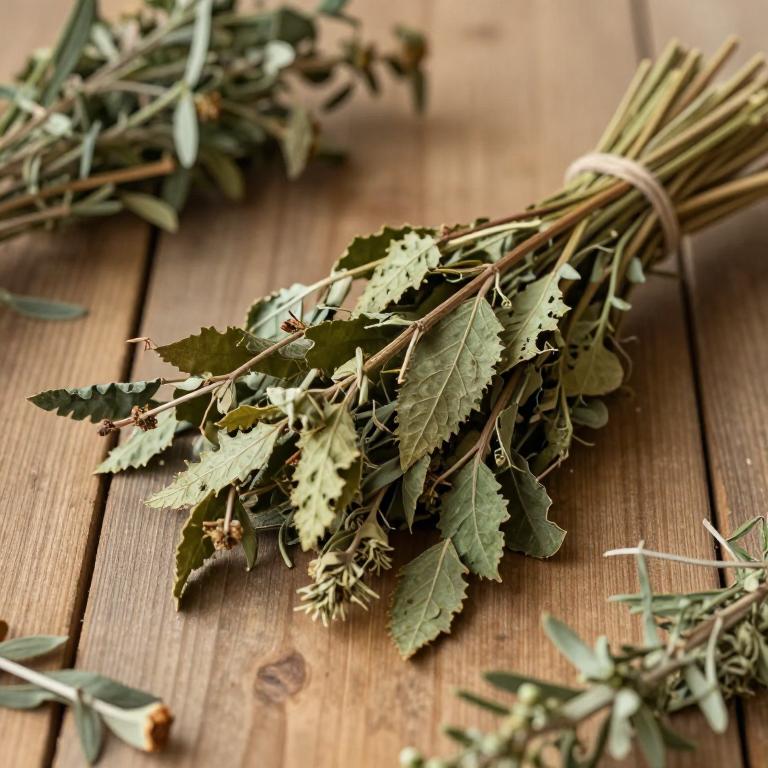
- Synonyms
- Ricinocarpus Communis
- Common names
- Not available
- Family
- Euphorbiaceae
- Distribution
- Not available
- Plant Parts
- Not available
Classification
Common Names
Acalypha communis, widely known by its common name akalyfa bežná, is a distinctive plant species. This botanical specimen is recognized by enthusiasts for its unique characteristics and specific growth patterns. Understanding its classification helps gardeners and researchers better appreciate its place within the natural world. By identifying it as akalyfa bežná, one can more easily access detailed information regarding its care and habitat. Such knowledge is essential for anyone looking to study or cultivate this particular variety.
Sources: Catalogue of Life (COL)
Synonyms
Acalypha communis is a plant species that is frequently identified by its scientific synonym, Ricinocarpus communis. While these two names refer to the same organism, the transition between them often depends on the taxonomic classification used by researchers. Understanding this botanical relationship is essential for accurate identification in various scientific databases. By recognizing Ricinocarpus communis as an alternative name, botanists can ensure consistency when documenting the plant's characteristics. This nomenclatural link serves as a vital bridge for scholars studying its specific ecological role.
Sources: The World Checklist of Vascular Plants (WCVP)
Taxonomy
Acalypha communis is a notable member of the kingdom Plantae. Within this vast botanical realm, the species belongs to the class Equisetopsida. It is further categorized under the order Malpighiales, showcasing its specific evolutionary lineage. This plant is a distinguished representative of the genus Acalypha. Finally, its taxonomic classification places it firmly within the diverse family Euphorbiaceae.
| Rank | Classification |
|---|---|
| Kingdom | Plantae |
| Phylum | Streptophyta |
| Class | Equisetopsida |
| Subclass | Magnoliidae |
| Order | Malpighiales |
| Family | Euphorbiaceae |
| Genus | Acalypha |
Sources: The World Checklist of Vascular Plants (WCVP)
Distribution
Geographic Regions
Acalypha communis is a plant species primarily distributed throughout the diverse landscapes of Southern America. Within this vast region, it maintains a significant presence across the expansive territory of Brazil. Its habitat spans several key areas, including the Northern and Northeastern parts of the country. Furthermore, the species can be found thriving in the Southern and Southeastern regions as well. This widespread occurrence is completed by its ability to grow throughout Brazil's West-Central zones.
Sources: The World Checklist of Vascular Plants (WCVP)
Identification
Morphology
Acalypha communis grows in a distinct shrub form, creating a dense and bushy appearance. As a self-supporting plant, it maintains its upright structure without the need for external assistance.
Sources: Global Inventory of Floras and Traits (GIFT)
Biological Activities
Acalypha communis has been identified as a source of bioactive compounds with significant antimicrobial potential. Recent research isolated three novel cycloartane-type triterpenes from the aerial parts of this plant. These specific compounds demonstrated moderate effectiveness against vancomycin-resistant enterococci during laboratory testing. Notably, one of the isolated triterpenes also showed activity against methicillin-resistant staphylococci. However, the study noted that these substances were largely ineffective against Gram-negative bacteria and lacked protection in certain in vivo models.
Compounds
Conditions
Acalypha communis contains cycloartane-type triterpenes that demonstrate antimicrobial activity against both Gram-positive and Gram-negative bacteria. Specifically, the plant's compounds show moderate effectiveness in treating vancomycin-resistant enterococci. Additionally, certain isolated compounds from the plant are active against methicillin-resistant staphylococci. While the triterpenes are tested against various strains, they are noted to be poorly active against Gram-negative bacteria. Finally, studies indicate that the plant's components did not provide protection in models specifically involving Staphylococcus aureus.
Preparations
Acalypha communis is prepared as aerial parts to facilitate the isolation of specific chemical compounds. Researchers utilized these aerial parts to extract three new cycloartane-type triterpenes. These isolated substances, including 16 alpha-hydroxymollic and 15 alpha-hydroxymollic, were then analyzed via spectroscopic methods. The preparation of the plant's aerial parts proved essential for discovering these compounds with antimicrobial potential. Ultimately, the study focused on testing these triterpenes derived from the plant's aerial components against various bacteria.