Acaena argentea
Acaena argentea · Accepted scientific name
Scientific literature: Very Sparse (0 studies) · ★☆☆☆☆
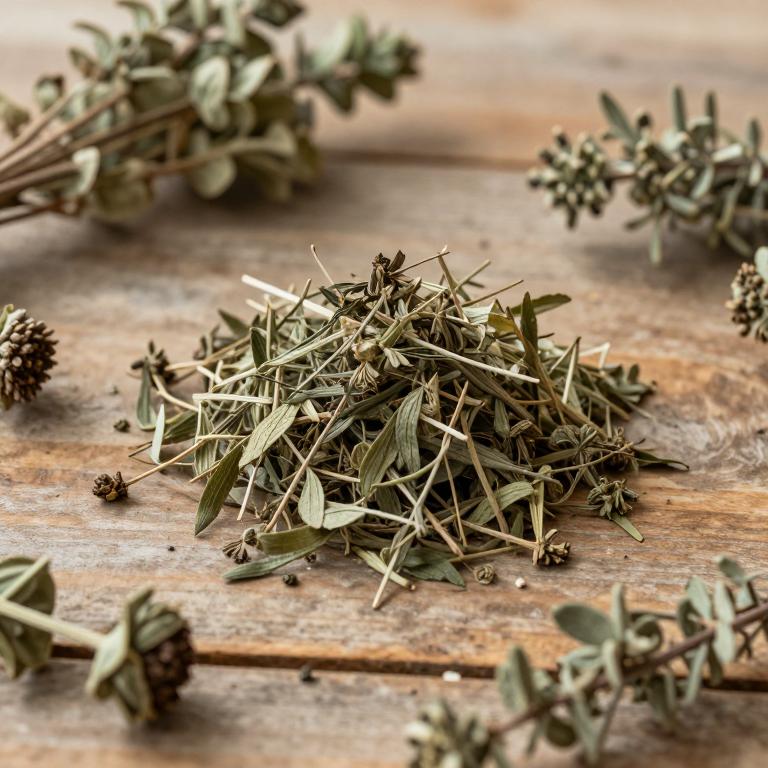
Acaena argentea is a resilient herbaceous plant known for its distinct silvery foliage and creeping growth habit. In various traditional practices, this species has been utilized for its potential therapeutic properties, particularly in treating skin conditions. Recent scientific investigations have focused on the biological activities found within its MeOH extracts. These studies aim to evaluate how the plant's chemical constituents can assist in the healing process of wounds. Understanding these mechanisms provides valuable insight into the plant's potential as a natural agent for tissue repair.
- Synonyms
- Acaena Argentea Var. Brevifoliolata · Acaena Argentea Var. Breviscapa · 15 more
- Common names
- Not available
- Family
- Rosaceae
- Distribution
- Not available
- Plant Parts
- Not available
Classification
Common Names
Acaena argentea is a fascinating plant known by a wide variety of names across different cultures and languages. In some regions, it is commonly referred to as Cadillo or pega-pega, names that often reflect its physical properties. Those speaking German may recognize it as Silber-Stachelnüsschen, while in Czech-speaking areas, it is called acéna striebristá. It also carries the name amor seco, highlighting its unique characteristics in a different linguistic context. This diversity of nomenclature illustrates the global presence and varied recognition of this species.
Sources: Catalogue of Life (COL)
Synonyms
Acaena argentea is a diverse species that encompasses several distinct botanical synonyms. Within its taxonomic range, it includes specific forms such as f. epargyrea, f. nigricans, and f. viridis. The plant also displays notable variation through its recognized varieties, specifically var. brevifoliolata and var. breviscapa. These classifications help botanists distinguish between the different morphological traits found across the species. Understanding these relationships is essential for accurate identification and study of this plant's complex lineage.
Sources: The World Checklist of Vascular Plants (WCVP)
Taxonomy
Acaena argentea is a distinctive member of the kingdom Plantae. Within this vast biological realm, it is specifically classified under the class Equisetopsida. This species belongs to the order Rosales, which helps define its evolutionary lineage. Further narrowing its botanical identity, it is placed within the family Rosaceae. Finally, it is categorized under the genus Acaena, marking its unique position in the natural world.
| Rank | Classification |
|---|---|
| Kingdom | Plantae |
| Phylum | Streptophyta |
| Class | Equisetopsida |
| Subclass | Magnoliidae |
| Order | Rosales |
| Family | Rosaceae |
| Genus | Acaena |
Sources: The World Checklist of Vascular Plants (WCVP)
Distribution
Geographic Regions
Acaena argentea is widely distributed across various regions of the South American continent. In the southern reaches, this plant can be found throughout Argentina and central Chile. Its presence also extends to the unique landscape of the Juan Fernández Islands. Moving toward the west, the species thrives within the diverse environments of Ecuador. Finally, its range continues through the coastal and highland territories of Peru.
Sources: The World Checklist of Vascular Plants (WCVP)
Identification
Morphology
Acaena argentea is a self-supporting herb characterized by its distinct growth form. This resilient plant maintains its structure independently without the need for external support.
Sources: Global Inventory of Floras and Traits (GIFT)
Biological Activities
Compounds
Conditions
Acaena argentea demonstrates significant medicinal potential through its ability to inhibit cholinesterase, acting as the most potent species among those tested for this activity. This plant is also recognized for its traditional use by the Huilliche people to treat wounds and associated infections. Scientific evaluations confirm its noteworthy antimicrobial properties against various human bacterial and fungal pathogens. Specifically, its extracts show effectiveness against a range of microbes, including species like Staphylococcus aureus and Candida albicans. These combined characteristics highlight its dual importance in both biochemical inhibition and wound management.
Preparations
Acaena argentea is prepared as MeOH extracts to evaluate its biological properties. Within the study of Huilliche medicinal plants, these specific extracts were tested for their ability to inhibit cholinesterase. The research findings indicate that the MeOH extracts of this species demonstrate significant inhibitory activity. Among the plants tested, the extracts of Acaena argentea were identified as the most potent. This particular preparation method was central to determining its effectiveness compared to other medicinal species.