Abies nordmanniana subsp. equi-trojani
Abies nordmanniana subsp. equi-trojani · Accepted scientific name
Scientific literature: Very Sparse (0 studies) · ★☆☆☆☆
Abies nordmanniana subsp. equi-trojani is a distinct subspecies of Nordmann fir known for its unique botanical properties. Within the realm of herbal therapeutics, this plant is highly regarded for its potential role in supporting wound healing processes. The most effective way to harness these benefits is through the application of concentrated essential oils derived from its needles or resin. These volatile oils contain bioactive compounds that may assist in soothing skin irritation and promoting tissue recovery. Understanding the specific applications of this subspecies provides valuable insight into its medicinal utility.
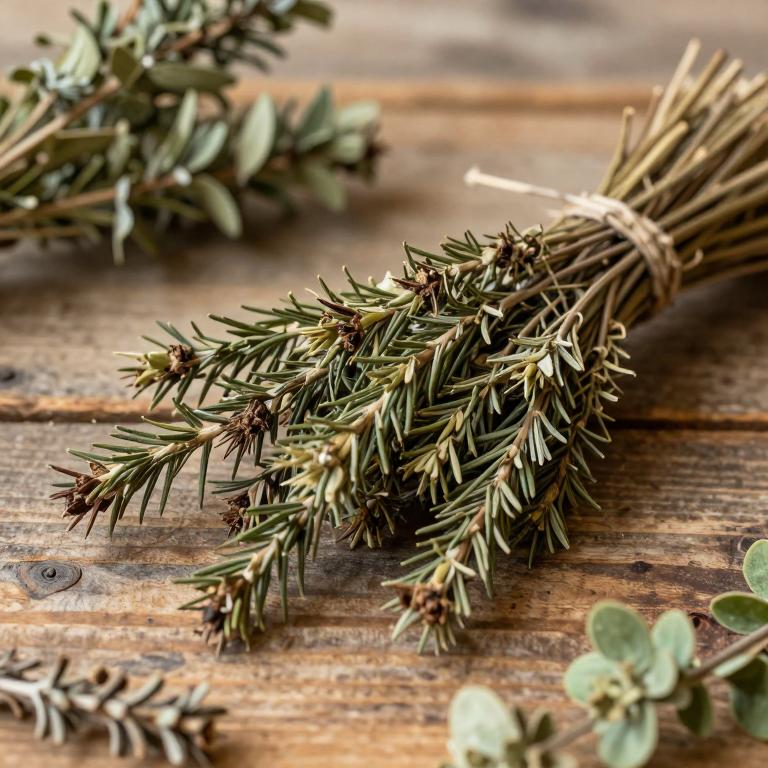
- Synonyms
- Abies Nordmanniana Subsp. Bornmuelleriana · Abies Nordmanniana Var. Bornmuelleriana · 8 more
- Common names
- Not available
- Family
- Pinaceae
- Distribution
- Not available
- Plant Parts
- Not available
Classification
Common Names
Abies nordmanniana subsp. equi-trojani is a distinctive subspecies known by a variety of evocative common names across different languages. In English-speaking contexts, it is frequently referred to as the Trojan Fir or the Kazdagi Fir. Its cultural and geographical ties are further highlighted by the name Troja-Tanne, which honors its connection to the historic region. In Turkey, the tree is locally recognized as the Kazdağı göknarı, emphasizing its specific mountain habitat. Additionally, the French term Sapin de Turquie serves as another common identifier for this unique evergreen.
Sources: Catalogue of Life (COL)
Synonyms
Abies nordmanniana subsp. equi-trojani is a botanical entity that has been identified by several different scientific names throughout history. Within taxonomic literature, it is frequently referred to by the synonym Abies equi-trojani or as Abies bornmuelleriana. This specific subspecies is also closely linked to the designation Abies nordmanniana subsp. bornmuelleriana in various botanical records. Furthermore, researchers have historically categorized it under names such as Abies alba subsp. equi-trojani. Even the variation known as Abies cephalonica var. graeca has been recognized as a synonym for this complex taxon.
Sources: The World Checklist of Vascular Plants (WCVP)
Taxonomy
Abies nordmanniana subsp. equi-trojani is a distinct botanical entity that belongs to the kingdom Plantae. Within this vast biological realm, it is classified under the class Equisetopsida. This specific subspecies is further organized into the order Pinales, showcasing its evolutionary lineage. It is a prominent member of the genus Abies, which defines its unique structural characteristics. Ultimately, its taxonomic journey leads to its placement within the widely recognized family Pinaceae.
| Rank | Classification |
|---|---|
| Kingdom | Plantae |
| Phylum | Streptophyta |
| Class | Equisetopsida |
| Subclass | Pinidae |
| Order | Pinales |
| Family | Pinaceae |
| Genus | Abies |
Sources: The World Checklist of Vascular Plants (WCVP)
Distribution
Geographic Regions
Abies nordmanniana subsp. equi-trojani is a distinctive subspecies of fir that holds a specific geographical footprint within the plant kingdom. Its natural distribution is primarily concentrated within the Asia-Temperate region, showcasing its adaptation to these specific environmental conditions. Within this broader zone, the subspecies finds a significant stronghold throughout the landscapes of Western Asia. Türkiye serves as a vital part of its habitat, providing the necessary ecological niche for its continued presence. Understanding these regional relationships is essential for studying the biodiversity and conservation needs of this unique fir variety.
Sources: The World Checklist of Vascular Plants (WCVP)
Identification
Biological Activities
Compounds
Conditions
Abies nordmanniana subsp. equi-trojani is recognized in Turkish folk medicine for its traditional use in promoting wound healing. In this preclinical study, essential oils derived from its cones were tested using both linear incision and circular excision animal models. While the plant was historically utilized for skin repair, the experimental results indicated that it did not exhibit any remarkable wound healing effects compared to other species. This finding contrasts with the high efficacy observed in species like Cedrus libani and Abies cilicica subsp. cilicica. Consequently, this specific subspecies did not demonstrate significant therapeutic potential in the evaluated wound models.
Preparations
Abies nordmanniana subsp. equi-trojani is prepared as essential oils to investigate its potential therapeutic properties. These oils are extracted specifically from the cones of the plant for use in preclinical experimental research. The study focuses on evaluating how such oils can assist in wound repair and anti-inflammatory activities. Researchers utilized these prepared oils in various in vivo wound healing models to assess their medicinal effectiveness. Ultimately, the preparation of these essential oils serves to validate their traditional use in Turkish folk medicine.