White Forsythia
Abeliophyllum distichum · Accepted scientific name
Scientific literature: Very Sparse (4 studies) · ★☆☆☆☆
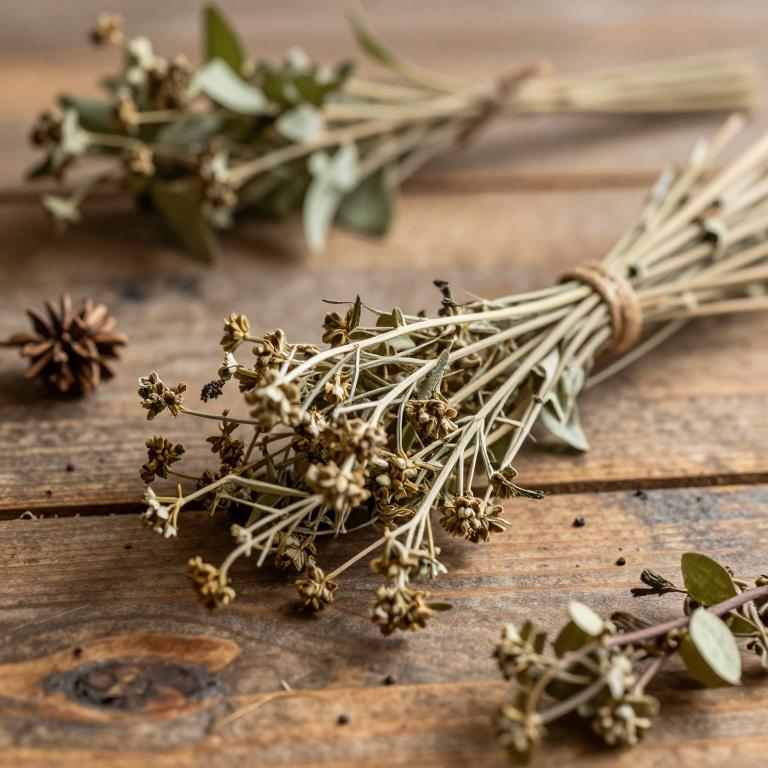
White Forsythia, scientifically known as Abeliophyllum distichum, is a versatile medicinal shrub highly valued in traditional practices. Renowned for its potent antioxidant and anti-inflammatory properties, it is frequently used to treat respiratory ailments, skin infections, and fever. This resilient plant offers significant therapeutic potential in modern herbal pharmacology.
Names and Synonyms
Common Names
- White Forsythia
- white-forsythia
- Korean abelialeaf
Scientific Names
Accepted name
Abeliophyllum distichumSynonyms
- Abeliophyllum distichum f. lilacinum
- Abeliophyllum distichum f. albiflorum
- Abeliophyllum distichum f. eburneum
- Abeliophyllum distichum var. obtusicarpum
- Abeliophyllum distichum f. viridicalycinum
Regional and Traditional Names
Spanish:
- Abeliophyllum
French:
- Forsythia blanc
Sources: Wikidata, Catalogue of Life
Taxonomical Classification
This plant belongs to the kingdom Plantae and the phylum Streptophyta within the class Equisetopsida. It is further classified under the subclass Magnoliidae and the order Lamiales, falling into the family Oleaceae. Ultimately, it is identified by the genus Abeliophyllum.
| Rank | Classification |
|---|---|
| Kingdom | Plantae |
| Phylum | Streptophyta |
| Class | Equisetopsida |
| Subclass | Magnoliidae |
| Order | Lamiales |
| Family | Oleaceae |
| Genus | Abeliophyllum |
Sources: The World Checklist of Vascular Plants (WCVP)
Distribution
This plant is characterized by a very specific and limited geographical range. Its natural habitat is primarily concentrated within the region of Eastern Asia. Specifically, the species can be found growing in the wild throughout Korea. This localized distribution suggests that the plant is endemic to these particular environmental conditions. Consequently, its occurrence is restricted to this single major geographic area.
| Region | Area |
|---|---|
| Eastern Asia | Korea |
Sources: The World Checklist of Vascular Plants (WCVP)
Botanical Identification
Life history
The life history of Abeliophyllum distichum is characterized by its growth habit as a phanerophyte, indicating that its perennial woody stems are elevated well above the ground level. Within the spectrum of life forms, it functions primarily as a phanerophyte, relying on its permanent structural framework to endure seasonal changes. While the species exhibits characteristics consistent with the phanerophyte classification, its ecological niche and structural development are distinct from other life forms such as nanophanerophytes, chamaephytes, hemicryptophytes, or therophytes, as it maintains its reproductive and vegetative organs on elevated branches rather than at the soil surface or as ephemeral annuals. This robust perennial life cycle allows the plant to establish a stable presence within its habitat, utilizing its woody architecture to access light and nutrients over multiple growing seasons.
- Life form :
- nanophanerophyte
- Life form :
- phanerophyte
Morphology
The morphology of Abeliosophyllum distichum is characterized by a woody growth form, specifically manifesting as a shrub. It functions as an independent organism, neither acting as a parasite nor an epiphyte, as it maintains a primarily terrestrial existence. Although its habitat profile includes aquatic and semiaquatic possibilities, it is fundamentally categorized as terrestrial. In terms of its climbing habit, the plant is classified as self-supporting, exhibiting characteristics of both a liana and a vine without being an obligatory climber.
- Aquatic :
- terrestrial
- Climber :
- self-supporting
- Epiphyte :
- terrestrial
- Growth form :
- shrub
- Parasite :
- independent
- Woodiness :
- woody
Physiology
The physiology of Abeliumiphyllum distichum is characterized by a metabolic framework defined by a C3 photosynthetic pathway, which dictates its carbon fixation process through the direct carboxylation of ribulose-1,5-bisphosphate by the enzyme RuBisCO. This pathway involves the formation of a three-carbon compound, 3-phosphoglycerate, as the primary stable product during the Calvin cycle. As a C3 plant, its physiological efficiency is heavily influenced by environmental factors such as light intensity, temperature, and moisture availability, which regulate the rate of transpiration and the potential for photorespiration. The plant manages its gas exchange and water use efficiency through stomatal movements that balance the intake of carbon dioxide for biomass production against the loss of water vapor, a fundamental aspect of its survival in its native ecological niche.
- Photosynthetic pathway :
- C3
Sources: Global Inventory of Floras and Traits (GIFT)
Chemicals
Abeliophyllum distichum has 2 reported phytochemicals identified across 0 scientific publications and several other databases. The most consistently reported chemicals include Cornoside, Salidroside.
| Chemical | Supporting sources | Consensus |
|---|---|---|
| Cornoside | 1 supporting sources | ★☆☆☆☆ |
| Salidroside | 1 supporting sources | ★☆☆☆☆ |
Cornoside
- Planta
Salidroside
- Planta