Herbal Medicine: Definition, Principles, Uses, and Safety
Herbal medicine refers to the use of plants or plant-derived substances for therapeutic purposes, encompassing a wide range of traditional and modern practices aimed at treating diseases and promoting health.
It is based on the principle that natural substances can restore balance within the body and support the body's innate healing processes. Herbal medicine has its roots in ancient civilizations, with evidence of its use dating back thousands of years in various cultures around the world. Different systems, such as Traditional Chinese Medicine, Ayurveda, and Native American practices, have developed unique approaches to the use of medicinal plants.
The effectiveness of herbal medicine relies on the active compounds found in plants, which can interact with the body's physiological systems in complex ways.
Table of Contents
- What is Herbal Medicine?
- Core Principles of Herbal Medicine
- Historical Development of Herbal Medicine
- Types of Herbal Medicine Systems
- Medicinal Plants Used in Herbal Medicine
- Phytochemical Foundations
- Mechanisms and Physiological Effects
- Therapeutic Applications
- Herbal Preparation Methods
- Dosage and Administration
- Safety, Risks, and Contraindications
- Quality Control and Standardization
- Cultivation and Sourcing of Medicinal Herbs
- Processing and Manufacturing
- Scientific Research and Evidence
- Regulation and Legal Status
- Sustainability and Ethical Harvesting
- Modern Role of Herbal Medicine
- Education and Training in Herbal Medicine
What is Herbal Medicine?
Herbal medicine refers to the use of plants or plant-derived substances for the prevention, treatment, or diagnosis of diseases and conditions.
It encompasses a wide range of practices, including the use of plant extracts, tinctures, teas, and other formulations to support health and wellness. Unlike pharmacotherapy, which relies on chemically synthesized drugs, herbal medicine utilizes natural substances with complex chemical compositions. It differs from dietary supplements in that it is intended for therapeutic purposes rather than mere nutritional support.
Herbal substances are strictly defined as plant-based materials, excluding synthetic derivatives or processed compounds.
- Herbal Medicine
- Use of plant-derived substances for therapeutic purposes.
- Scope
- Prevention, treatment, and health maintenance using botanical preparations.
- Distinction
- Differs from pharmaceuticals by using whole-plant compounds instead of isolated chemicals.
Core Principles of Herbal Medicine
The core principles of herbal medicine are rooted in the belief that health is maintained through harmony between the body, mind, and environment.
This approach emphasizes the interconnectedness of physical, emotional, and ecological factors in healing. Herbal medicine seeks to restore balance and homeostasis within the body by addressing the root causes of illness rather than just symptoms. Treatment strategies are highly individualized, taking into account the unique constitution, lifestyle, and needs of each person.
The use of whole-plant compounds is preferred over isolated chemicals, as it preserves the synergistic effects that enhance therapeutic outcomes.
Here are the primary principles of herbal medicine:
- Holistic approach (body, mind, environment)
- Balance and homeostasis
- Synergy of plant compounds
- Individualized treatment
- Preventive care focus
Historical Development of Herbal Medicine
The historical development of herbal medicine traces its roots to prehistoric humans who used plants for healing, based on direct observation of their effects on health and survival.
Early civilizations such as Egypt, China, and India systematically documented medicinal plants, creating some of the first known herbal texts and medical practices. Oral traditions and written records passed down through generations preserved and expanded knowledge of plant-based remedies. During the Middle Ages, herbal medicine flourished in Europe, with monasteries cultivating and compiling extensive herbals that detailed plant uses.
The scientific revolution introduced empirical methods, challenging traditional herbal practices, while the rise of modern pharmaceuticals in the 19th and 20th centuries led to a decline in widespread use, though herbal medicine has since experienced a revival in complementary and alternative medicine.
- Prehistoric use of medicinal plants
- Ancient systems (China, India, Egypt, Greece)
- Medieval herbal traditions
- Scientific revolution and decline
- Modern revival in integrative medicine
Types of Herbal Medicine Systems
The section "Types of Herbal Medicine Systems" explores the diverse approaches to herbal medicine used across different cultural and historical contexts.
Traditional Chinese Medicine (TCM) employs a framework based on the balance of yin and yang, along with the five elements, to diagnose and treat ailments. Ayurveda, the ancient Indian system, categorizes health and disease through the three doshas—vata, pitta, and kapha—and uses herbal formulations tailored to individual constitution. Western herbal medicine, rooted in ancient Greek and Roman traditions, often emphasizes the properties of individual herbs and their direct effects on the body. The Unani system, derived from Greco-Arab medicine, integrates principles of humoral theory and uses complex formulations to restore balance.
Indigenous and folk herbal systems vary widely, often relying on empirical knowledge and local plant resources, with diagnostic methods differing significantly from other systems.
| System | Origin | Key Feature |
|---|---|---|
| Traditional Chinese Medicine | China | Balance of Yin and Yang |
| Ayurveda | India | Dosha-based diagnosis |
| Western Herbalism | Europe | Plant energetics and physiology |
Medicinal Plants Used in Herbal Medicine
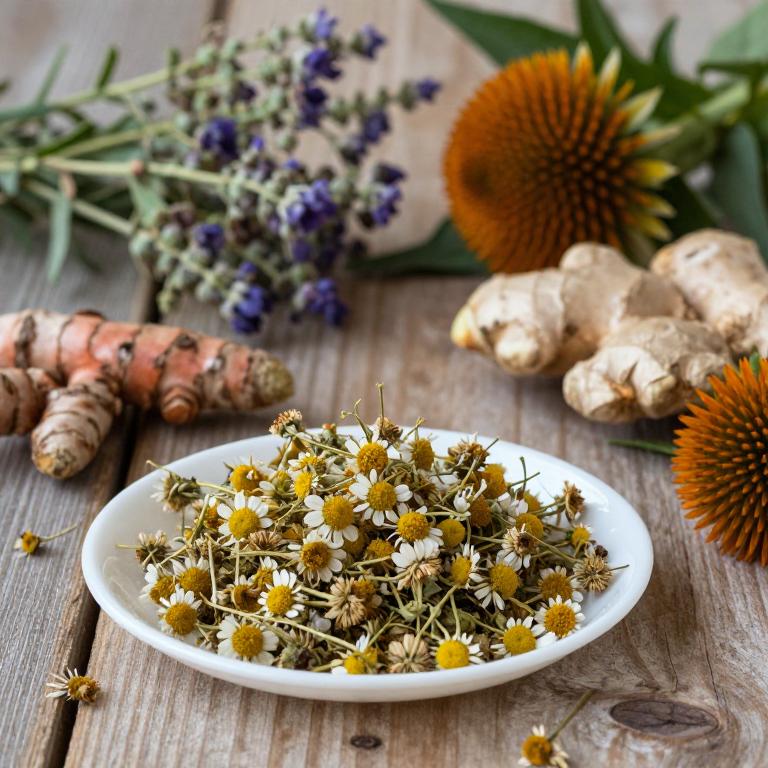
Medicinal plants are plant species used for their therapeutic properties in herbal medicine.
These plants can be categorized into trees, shrubs, herbs, fungi, and algae, each contributing unique compounds. Various parts of the plant, such as leaves, roots, flowers, and bark, are utilized depending on their active components. Fresh plant material is often preferred for potency, though dried forms are more commonly stored and transported.
Medicinal plants can be sourced from wild environments or cultivated farms, with regional differences influencing the availability and use of specific species.
Phytochemical Foundations
Phytochemicals are naturally occurring chemical compounds found in plants that contribute to their medicinal properties.
They are broadly classified into primary and secondary metabolites, with primary metabolites essential for basic plant functions and secondary metabolites playing roles in defense and communication. Major phytochemical groups include alkaloids, flavonoids, terpenoids, and polyphenols, each with distinct chemical structures and biological activities. These compounds are distributed unevenly within plant parts, with some concentrated in leaves, roots, flowers, or seeds.
The composition of phytochemicals varies widely among plant species and is influenced by genetic factors, environmental conditions, and cultivation practices.
| Compound Group | Example Function |
|---|---|
| Alkaloids | Pain relief |
| Flavonoids | Antioxidant activity |
| Terpenes | Aromatic and anti-inflammatory |
Mechanisms and Physiological Effects
Herbal medicine exerts its effects by interacting with human physiology through complex biochemical pathways, often targeting multiple systems simultaneously.
The absorption, metabolism, and bioavailability of herbal compounds depend on factors such as molecular structure, formulation, and individual physiological differences. Dose-response relationships in herbal medicine are variable, influenced by the specific compounds present and their cumulative effects over time. Many herbal compounds exhibit multi-target effects, modulating various receptors, enzymes, and signaling pathways to produce therapeutic outcomes.
These compounds can influence systemic physiological processes, including immune, nervous, and endocrine functions, with both short-term and long-term effects that may enhance adaptability and regulatory balance in the body.
- Absorption of plant compounds
- Metabolism in the body
- Interaction with biological systems
- Physiological response
Therapeutic Applications
Herbal medicine is widely used to treat a variety of health conditions by addressing specific physiological and biochemical imbalances.
It plays a significant role in managing digestive system disorders such as indigestion, bloating, and irritable bowel syndrome through the use of herbs like ginger, peppermint, and licorice. For respiratory conditions, herbs such as eucalyptus, thyme, and echinacea are commonly employed to alleviate symptoms of coughs, asthma, and colds. In dermatological conditions, herbal treatments like neem, aloe vera, and calendula are used to treat skin infections, eczema, and wounds.
Herbal medicine also supports mental health by reducing stress and anxiety through the use of adaptogens like ashwagandha and rhodiola.
- Digestive disorders
- Respiratory conditions
- Skin issues
- Stress and anxiety
- Immune support
Herbal Preparation Methods
Herbal preparation methods are essential for extracting and preserving the active compounds of plant materials to ensure efficacy and safety.
Water-based preparations like infusions and decoctions involve soaking or boiling herbs to release their constituents. Infusions are made by steeping herbs in hot water, while decoctions use prolonged boiling of tougher plant parts. Alcohol-based preparations such as tinctures use ethanol to extract bioactive compounds, often resulting in higher potency.
Oil-based preparations, like infused oils, involve soaking herbs in a carrier oil to transfer their medicinal properties.
| Method | Description |
|---|---|
| Infusion | Steeping herbs in hot water |
| Tincture | Alcohol-based extraction |
| Decoction | Boiling tougher plant materials |
Dosage and Administration
Determining appropriate dosage for herbal medicine depends on factors such as age, weight, and the specific health condition being treated.
Dosage varies significantly based on the individual's physiological characteristics and the potency of the herbal preparation. The frequency and timing of administration are crucial, with some herbs requiring multiple doses daily while others may be taken less frequently. Treatment duration can range from short-term use for acute issues to long-term protocols for chronic conditions.
Herbal medicine is administered through various routes including oral ingestion, topical application, and inhalation, with standardized dosing often preferred over traditional methods for consistency and safety.
| Factor | Influence on Dosage |
|---|---|
| Age | Lower doses for children |
| Body weight | Adjusted proportionally |
| Condition severity | Higher or more frequent dosing |
Safety, Risks, and Contraindications
When considering the safety of herbal medicine, it is important to recognize that while many herbs are generally safe when used appropriately, they can also pose significant risks.
Side effects vary widely depending on the herb, dosage, and individual health status, ranging from mild gastrointestinal discomfort to severe allergic reactions. Some herbs, such as aconite and belladonna, are toxic and can be poisonous if misused or consumed in high doses. Herbal medicines can interact with prescription drugs, potentially reducing their effectiveness or causing harmful side effects.
Certain populations, including pregnant and lactating women, children, and individuals with chronic conditions, may face specific contraindications that require careful evaluation before use.
- Side effects: Nausea, headaches
- Drug interactions: May affect medications
- Contraindications: Certain conditions or populations
- Toxicity: Some plants are poisonous
Quality Control and Standardization
Quality control and standardization in herbal medicine ensure that products are safe, effective, and consistent.
Herbal quality is defined by the purity, potency, and absence of harmful substances in the final product. Standardization of active compounds involves identifying and quantifying the key therapeutic ingredients to guarantee consistent effects. Batch-to-batch consistency is achieved through rigorous testing to ensure each production run meets the same quality benchmarks.
Detection of contaminants such as heavy metals, pesticides, and microbial impurities is critical to maintaining safety standards.
- Standardized active compounds
- Contaminant testing
- Batch consistency
- Accurate labeling
Cultivation and Sourcing of Medicinal Herbs
The cultivation and sourcing of medicinal herbs involve a range of practices that influence their potency and efficacy.
Medicinal plants are often grown using specific cultivation techniques tailored to their growth requirements, such as soil type, climate, and light exposure. Organic farming methods avoid synthetic pesticides and fertilizers, aiming to preserve the plant's natural properties and reduce environmental impact. Wildcrafting, the practice of harvesting herbs from their natural habitats, is common for certain species but requires careful management to prevent overharvesting and ecosystem disruption.
Geographical sourcing plays a crucial role, as the terroir—comprising soil, climate, and altitude—can significantly affect the chemical composition and medicinal properties of herbs.
| Factor | Impact |
|---|---|
| Soil quality | Affects plant potency |
| Climate | Influences growth and compounds |
| Harvest location | Determines chemical variability |
Processing and Manufacturing
Processing and Manufacturing involves a series of steps that transform raw medicinal plants into safe, effective herbal medicines.
Post-harvest handling is critical to maintaining the potency and quality of medicinal plants, including proper cleaning, sorting, and immediate drying to prevent microbial growth and nutrient degradation. Drying techniques such as sun drying, shade drying, or mechanical drying are employed depending on the plant species and regional conditions, with each method affecting the final product's chemical composition and shelf life. Storage before processing requires controlled environments to prevent moisture absorption, contamination, and chemical changes that could reduce efficacy.
Industrial extraction processes use methods like maceration, distillation, or supercritical fluid extraction to isolate active compounds, ensuring consistency and purity in the final product.
- Harvesting raw plant material
- Drying and preservation
- Extraction or grinding
- Formulation into products
- Packaging and storage
Scientific Research and Evidence
Scientific research on herbal medicine seeks to evaluate its efficacy and safety through various methodologies, including in vitro studies, animal models, and clinical trials.
In vitro research examines plant compounds in controlled laboratory settings, while in vivo studies assess effects in living organisms. Clinical trials provide the most reliable evidence for human applications, though they often face challenges such as variable formulations and dosage standardization. The evidence hierarchy in herbal research typically ranks clinical trials above observational studies, but many findings remain inconclusive due to limited sample sizes or methodological flaws.
Emerging trends focus on integrating traditional knowledge with modern science to improve standardization and validate traditional practices through rigorous testing.
| Study Type | Purpose |
|---|---|
| In vitro | Cell-level effects |
| Animal studies | Biological response |
| Clinical trials | Human effectiveness |
Regulation and Legal Status
The legal classification of herbal products varies significantly, with some categorized as medicines requiring strict regulatory oversight and others treated as dietary supplements with fewer restrictions.
Regulatory frameworks differ widely across regions, with the U.S. FDA, EU EMA, and China's NMPA each enforcing distinct guidelines for herbal medicine. Approval processes for herbal products often involve rigorous testing, safety evaluations, and clinical trials to ensure efficacy and safety. Labeling and marketing regulations mandate clear ingredient disclosure, dosage instructions, and prohibitions on making unverified health claims.
Restrictions on health claims are enforced to prevent misleading consumers, with pharmacopeias like the USP and BP providing standardized references for quality and purity.
| Region | Regulation Type |
|---|---|
| USA | Dietary supplements |
| EU | Traditional herbal registration |
| China | Integrated medical system |
Sustainability and Ethical Harvesting
The sustainability of herbal medicine depends on responsible harvesting to ensure the long-term survival of plant species and ecosystems.
Overharvesting of medicinal plants can lead to population decline and threaten biodiversity, especially for species used in traditional remedies. Many medicinal plants are now classified as endangered due to habitat destruction and excessive collection. Sustainable harvesting practices, such as controlled harvesting and seasonal collection, help maintain plant populations and ecosystem balance.
Cultivation and ethical wild harvesting guidelines are essential to support both conservation efforts and the livelihoods of local communities.
- Sustainable harvesting practices
- Protection of endangered species
- Ethical sourcing
- Biodiversity conservation
Modern Role of Herbal Medicine
The modern role of herbal medicine involves integrating traditional practices with conventional medical systems to enhance patient care and treatment outcomes.
It plays a significant role in preventive healthcare by offering natural alternatives for maintaining wellness and managing chronic conditions. Consumer trends show increasing demand for herbal products due to a growing interest in holistic and natural health solutions. Herbal medicine is widely utilized in the wellness and lifestyle industries, including fitness, nutrition, and mental health sectors.
The commercial herbal product markets have expanded globally, driven by both traditional use and modern scientific validation.
- Integration with conventional healthcare
- Use in preventive wellness
- Growing global demand
- Expansion in supplement markets
Education and Training in Herbal Medicine
Education and training in herbal medicine is essential for developing competent and ethical practitioners.
There are various types of herbal medicine education programs, ranging from short courses to comprehensive degree programs offered by accredited institutions. Formal training often includes structured curricula covering core subjects like materia medica, pharmacology, and botanical science, while informal pathways may involve self-study, mentorship, or community-based learning. Clinical training and apprenticeship models provide hands-on experience under the guidance of experienced herbalists, ensuring practical skills in diagnosis and treatment.
Certification and professional recognition vary by region but often require completing accredited programs, passing exams, and adhering to ethical standards.
| Pathway | Description |
|---|---|
| Formal education | University or accredited programs |
| Apprenticeship | Learning under experienced herbalists |
| Self-study | Books and independent learning |