10 Best Herbal Capsules For Vomiting

Herbal capsules for vomiting are natural remedies that may help alleviate nausea and motion sickness by utilizing the properties of specific plants.
Common ingredients include ginger, peppermint, and chamomile, which are known for their soothing and anti-inflammatory effects on the digestive system. These capsules are often preferred by individuals seeking alternatives to pharmaceutical medications due to their mild side effect profile. They are typically available in various forms, including standardized extracts and whole-leaf capsules, allowing for different levels of potency.
However, it is important to consult a healthcare provider before use, especially for pregnant women or those with underlying health conditions.
Table of Contents
- 1. Ginger (Zingiber officinale)
- 2. Cumin (Cuminum cyminum)
- 3. Kava (Piper methysticum)
- 4. Fennel (Foeniculum vulgare)
- 5. Black pepper (Piper nigrum)
- 6. Ceylon cinnamon (Cinnamomum verum)
- 7. Turmeric (Curcuma longa)
- 8. Licorice (Glycyrrhiza glabra)
- 9. Peppermint (Mentha piperita)
- 10. Chaste tree (Vitex agnus-castus)
1. Ginger (Zingiber officinale)
Zingiber officinale, commonly known as ginger, has been traditionally used for its digestive benefits, including the relief of nausea and vomiting.
Ginger herbal capsules are a convenient and standardized form of this plant, making it easy to incorporate into daily health routines. The active compounds in ginger, such as gingerol and shogaol, are believed to help reduce stomach inflammation and ease digestive discomfort. Studies suggest that ginger can be effective in alleviating motion sickness, morning sickness, and postoperative nausea.
However, it is important to consult a healthcare provider before using ginger capsules, especially for pregnant women or individuals with existing medical conditions.
2. Cumin (Cuminum cyminum)

Cuminum cyminum, commonly known as cumin, has been traditionally used in herbal medicine for its potential to alleviate symptoms of vomiting.
The essential oils in cumin seeds, particularly compounds like limonene and cineole, are believed to possess carminative and antiemetic properties that may help soothe the digestive system. When formulated into herbal capsules, cumin is often used as a natural remedy to support digestion and reduce nausea. These capsules are generally safe for most adults when taken in recommended doses, though they may interact with certain medications.
However, it is advisable to consult a healthcare professional before using cumin capsules, especially for individuals with pre-existing medical conditions or during pregnancy.
3. Kava (Piper methysticum)

Piper methysticum, commonly known as kava, is a traditional herbal remedy that has been used for centuries in the Pacific Islands for its calming and sedative effects.
While it is primarily known for its ability to reduce anxiety and promote relaxation, some studies suggest that it may also have antiemetic properties, potentially helping to alleviate symptoms of vomiting. However, the use of kava herbal capsules for vomiting is not widely supported by clinical research, and its efficacy in this context remains inconclusive. It is important to note that kava can interact with certain medications and may cause side effects such as drowsiness or liver toxicity if not used properly.
As with any herbal supplement, it is advisable to consult a healthcare professional before using piper methysticum for vomiting or any other medical condition.
4. Fennel (Foeniculum vulgare)
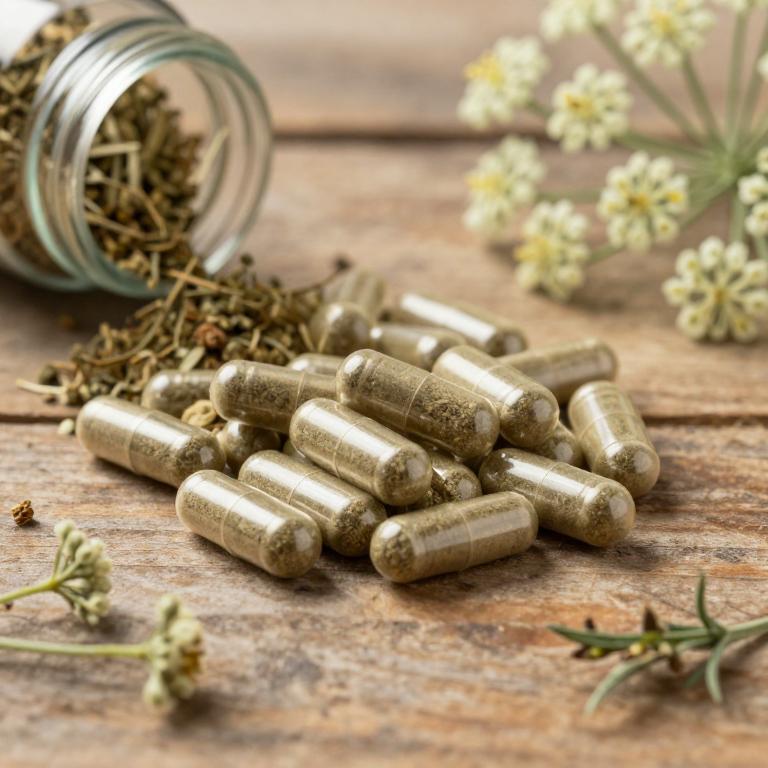
Foeniculum vulgare, commonly known as fennel, has been traditionally used in herbal medicine to help alleviate symptoms of vomiting.
The essential oil of fennel, which contains compounds like anethol and limonene, is believed to have antispasmodic and carminative properties that can soothe the digestive system. Herbal capsules containing foeniculum vulgare are often used to support digestion and reduce nausea, making them a popular remedy for digestive discomfort. These capsules are typically taken in small doses, usually before meals, to help ease stomach upset and prevent vomiting.
However, it is important to consult with a healthcare provider before using fennel capsules, especially for individuals with pre-existing medical conditions or those taking other medications.
5. Black pepper (Piper nigrum)

Piper nigrum, commonly known as black pepper, is often used in herbal medicine for its potential digestive benefits.
While black pepper is generally considered safe in small amounts, it is not typically recommended for use in herbal capsules specifically for the treatment of vomiting. In fact, the pungent compounds in black pepper, such as piperine, may irritate the stomach lining and potentially exacerbate nausea and vomiting in some individuals. Herbal capsules containing piper nigrum should be used with caution and under the guidance of a healthcare professional, especially for those experiencing persistent or severe vomiting.
It is important to consult a qualified practitioner before using any herbal remedy for gastrointestinal symptoms.
6. Ceylon cinnamon (Cinnamomum verum)

Cinnamomum verum, also known as true cinnamon, is commonly used in herbal remedies for its potential antiemetic properties.
The essential oils extracted from its bark contain compounds like cinnamaldehyde, which may help soothe the digestive system and reduce nausea. Herbal capsules made from Cinnamomum verum are often taken orally to alleviate symptoms of vomiting, particularly in cases of gastrointestinal upset or motion sickness. However, it is important to consult a healthcare professional before using these capsules, as they may interact with certain medications or have side effects in some individuals.
While some studies suggest its efficacy, more research is needed to fully understand its role in treating vomiting.
7. Turmeric (Curcuma longa)

Curcuma longa, commonly known as turmeric, is a herbal remedy often used in traditional medicine for its anti-inflammatory and digestive properties.
While it is widely recognized for its potential to support overall digestive health, curcuma longa herbal capsules are not typically recommended as a primary treatment for vomiting. In fact, excessive use of turmeric may irritate the stomach lining and potentially worsen nausea in some individuals. However, in certain cases, it may be used as a complementary therapy under the guidance of a healthcare professional.
It is important to consult a doctor before using turmeric supplements, especially if experiencing persistent vomiting or other gastrointestinal symptoms.
8. Licorice (Glycyrrhiza glabra)

Glycyrrhiza glabra, commonly known as licorice root, has been traditionally used in herbal medicine for its potential antiemetic properties.
When formulated into capsules, glycyrrhiza glabra may help alleviate nausea and vomiting by soothing the digestive tract and reducing inflammation. The active compounds, such as glycyrrhizin and flavonoids, are believed to support gastrointestinal health and ease stomach upset. However, long-term use of licorice root capsules can lead to side effects like hypertension and electrolyte imbalances due to its mineralocorticoid-like effects.
It is important to consult a healthcare professional before using glycyrrhiza glabra capsules, especially for individuals with preexisting medical conditions or those taking other medications.
9. Peppermint (Mentha piperita)

Mentha piperita, commonly known as peppermint, is often used in herbal capsules to alleviate symptoms of vomiting due to its calming and digestive properties.
The essential oils in peppermint, particularly menthol, help soothe the gastrointestinal tract and reduce nausea by relaxing the muscles in the stomach and intestines. These herbal capsules are typically made from dried peppermint leaves and are free from artificial additives, making them a natural remedy for digestive discomfort. They are often recommended for individuals experiencing vomiting caused by indigestion, motion sickness, or gastrointestinal infections.
However, it is important to consult a healthcare provider before using peppermint capsules, especially for pregnant women or those with certain medical conditions.
10. Chaste tree (Vitex agnus-castus)

Vitex agnus-castus, commonly known as chasteberry, is a herbal remedy that has been traditionally used to support hormonal balance and alleviate symptoms related to menstrual irregularities.
While it is often associated with regulating menstrual cycles and reducing premenstrual symptoms, its role in treating vomiting is less established. Some studies suggest that vitex may influence the release of luteinizing hormone, which could indirectly affect gastrointestinal function. However, there is limited scientific evidence directly linking vitex agnus-castus capsules to the reduction of vomiting.
As a result, it is generally not recommended as a primary treatment for vomiting, and individuals experiencing persistent nausea should consult a healthcare professional for appropriate care.