10 Best Herbal Capsules For Varicose Veins
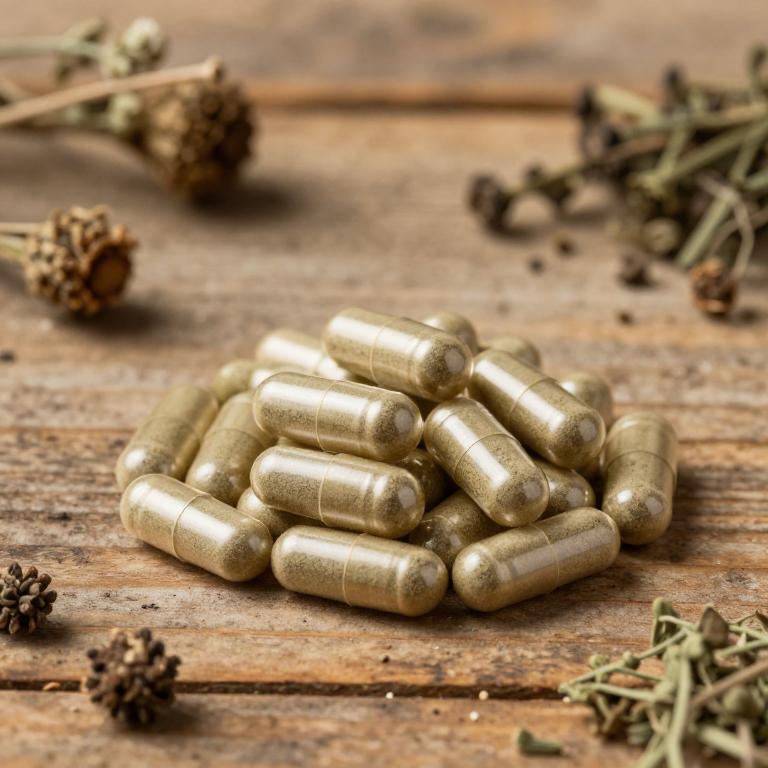
Herbal capsules for varicose veins are natural supplements that aim to support vein health and alleviate symptoms associated with the condition.
These capsules often contain ingredients such as horse chestnut, butcher's broom, and ginger, which are known for their potential to improve circulation and reduce inflammation. They are typically used as a complementary therapy alongside lifestyle changes and medical treatments. While they may offer some relief, their effectiveness can vary, and it is important to consult a healthcare provider before starting any new supplement regimen.
Overall, herbal capsules can be a safe option for some individuals, but they should not replace professional medical advice or treatment.
Table of Contents
- 1. Horse chestnut (Aesculus hippocastanum)
- 2. Common grape (Vitis vinifera)
- 3. Blessed thistle (Cnicus benedictus)
- 4. Dog rose (Rosa canina)
- 5. Stinging nettle (Urtica dioica)
- 6. Thistle (Silybum marianum)
- 7. Ginkgo (Ginkgo biloba)
- 8. St. john's wort (Hypericum perforatum)
- 9. Black elderberry (Sambucus nigra)
- 10. Valerian (Valeriana officinalis)
1. Horse chestnut (Aesculus hippocastanum)
Aesculus hippocastanum, commonly known as the horse chestnut tree, is widely used in herbal medicine for its potential benefits in treating varicose veins.
The active compounds in these capsules, particularly aescin, are believed to strengthen blood vessel walls and improve circulation. Herbal capsules containing Aesculus hippocastanum are often taken orally to support vein health and reduce symptoms like swelling and discomfort. They are generally considered safe when used as directed, though they should not replace medical advice or treatment for severe varicose veins.
This natural remedy is a popular choice for those seeking complementary support for venous disorders.
2. Common grape (Vitis vinifera)
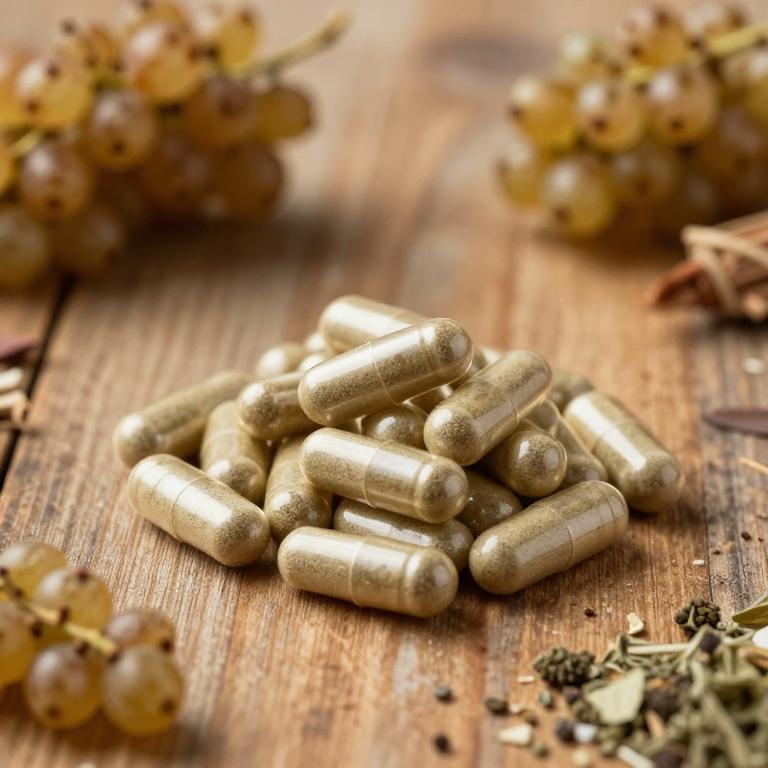
Vitis vinifera herbal capsules are a natural supplement derived from the seeds of the grape vine, commonly used to support the treatment of varicose veins.
These capsules are rich in polyphenols, particularly resveratrol, which has antioxidant and anti-inflammatory properties that may help improve blood circulation and reduce vein inflammation. They are often recommended as a complementary therapy to conventional treatments for varicose veins, such as compression therapy or lifestyle changes. The active compounds in Vitis vinifera may strengthen vein walls and enhance vascular health, potentially alleviating symptoms like swelling and discomfort.
However, it is important to consult a healthcare professional before starting any herbal supplement to ensure safety and appropriateness for individual health conditions.
3. Blessed thistle (Cnicus benedictus)
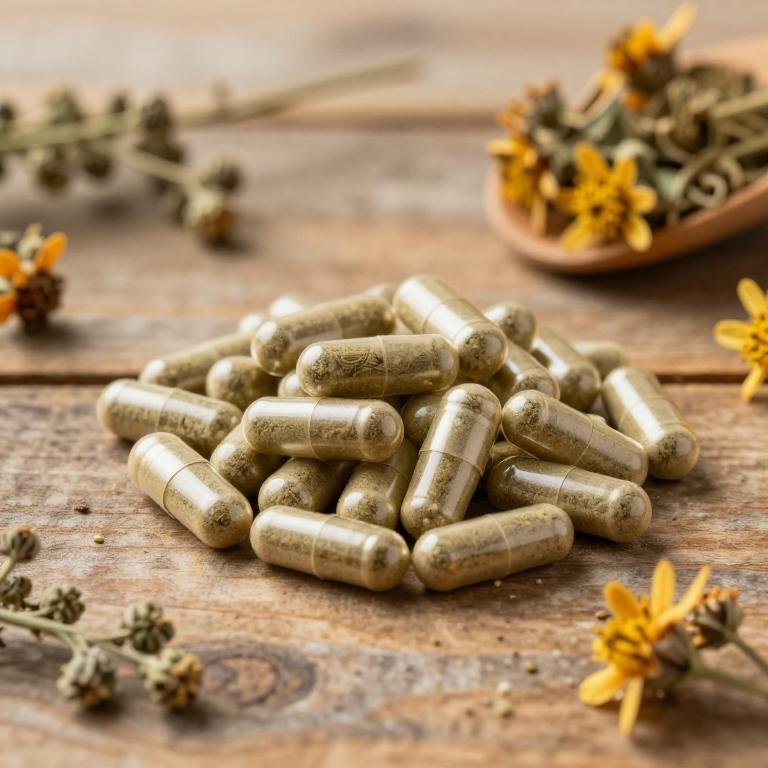
Cnicus benedictus, also known as blessed thorn, is a traditional herbal remedy commonly used in the form of capsules to support the treatment of varicose veins.
These capsules are believed to help improve circulation and reduce inflammation in the veins, which can alleviate symptoms such as pain, swelling, and heaviness in the legs. The herb is rich in flavonoids and other bioactive compounds that may strengthen vein walls and promote better blood flow. Many users report that regular intake of Cnicus benedictus capsules can lead to noticeable improvements in the appearance and comfort of varicose veins.
As with any herbal supplement, it is advisable to consult a healthcare professional before starting treatment to ensure safety and effectiveness.
4. Dog rose (Rosa canina)
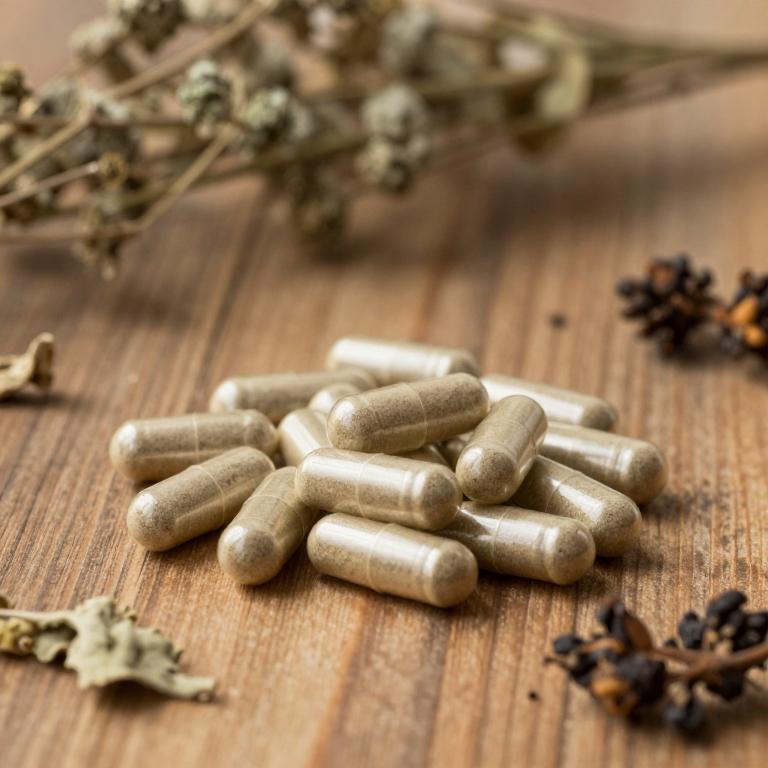
Rosa canina, also known as rose hip, is a traditional herbal remedy commonly used in the form of capsules to support vein health and alleviate symptoms associated with varicose veins.
These capsules are rich in bioflavonoids, vitamin C, and other antioxidants, which help strengthen blood vessel walls and improve circulation. Clinical studies suggest that Rosa canina may reduce inflammation, swelling, and discomfort in individuals suffering from varicose veins. It is often recommended as a complementary therapy alongside lifestyle changes and medical treatments.
As with any herbal supplement, it is important to consult a healthcare professional before use, especially for those with existing health conditions or taking other medications.
5. Stinging nettle (Urtica dioica)
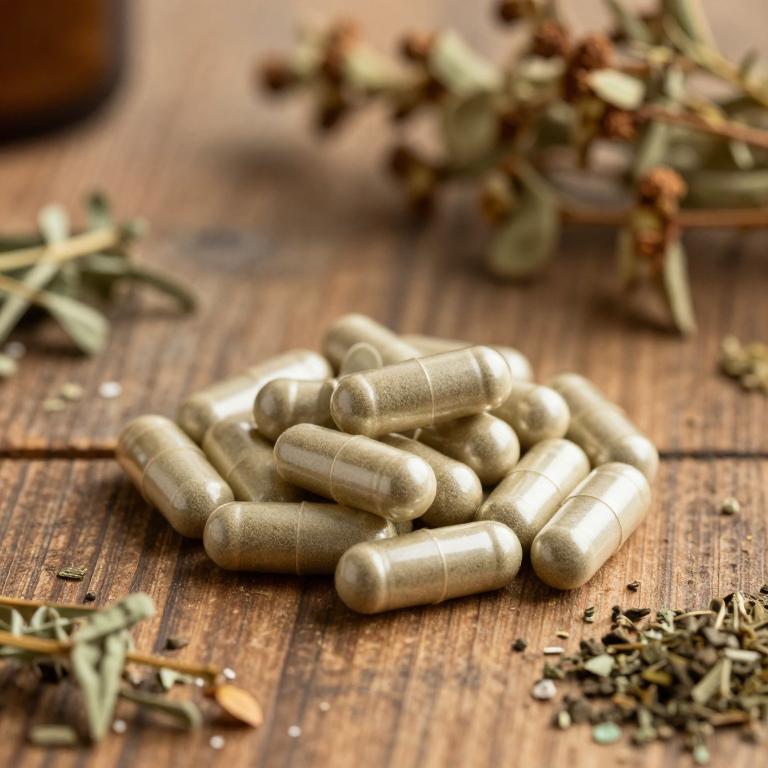
Urtica dioica, commonly known as stinging nettle, is a herbal remedy that has been traditionally used to support vein health and alleviate symptoms of varicose veins.
When formulated into capsules, Urtica dioica provides a convenient and concentrated source of bioactive compounds such as flavonoids, vitamins, and minerals that promote circulation and reduce inflammation. These capsules are often recommended as a complementary therapy to conventional treatments for varicose veins due to their potential to strengthen vein walls and improve blood flow. The plant's anti-inflammatory and antioxidant properties may help reduce swelling, discomfort, and the appearance of varicose veins.
However, it is important to consult with a healthcare professional before starting any herbal supplement to ensure safety and appropriateness for individual health conditions.
6. Thistle (Silybum marianum)
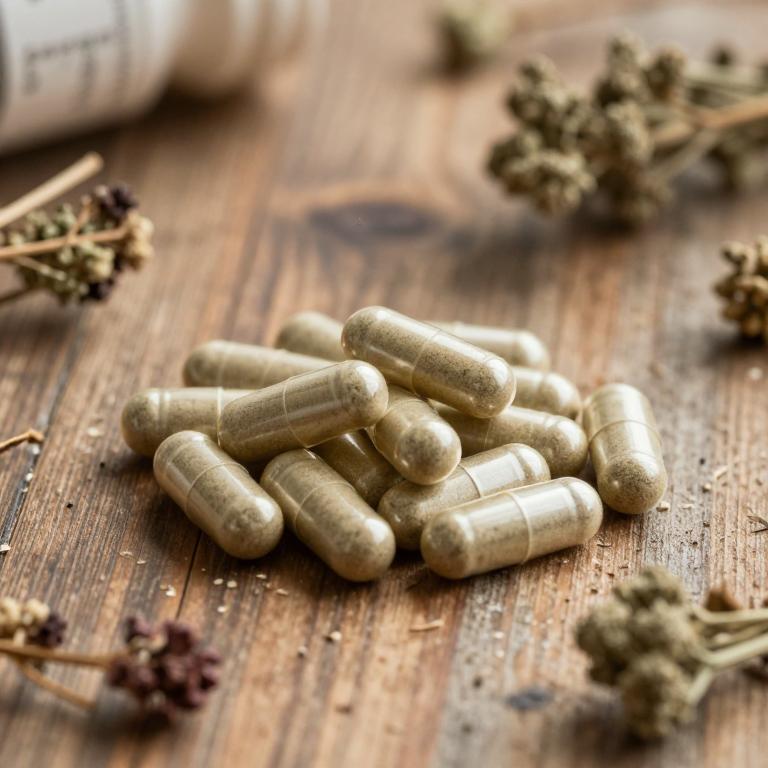
Silybum marianum, commonly known as milk thistle, is a herbal supplement often used in the form of capsules to support liver health, but it has also been explored for its potential benefits in managing varicose veins.
The active compound, silymarin, is believed to have antioxidant and anti-inflammatory properties that may help improve blood circulation and strengthen vein walls. While scientific evidence supporting its effectiveness for varicose veins is limited, some studies suggest that silymarin may promote the repair of damaged blood vessels and reduce oxidative stress. Due to its generally good safety profile, it is sometimes recommended as a complementary therapy alongside conventional treatments for varicose veins.
However, individuals should consult with a healthcare professional before using silybum marianum capsules, especially if they are taking other medications or have underlying health conditions.
7. Ginkgo (Ginkgo biloba)
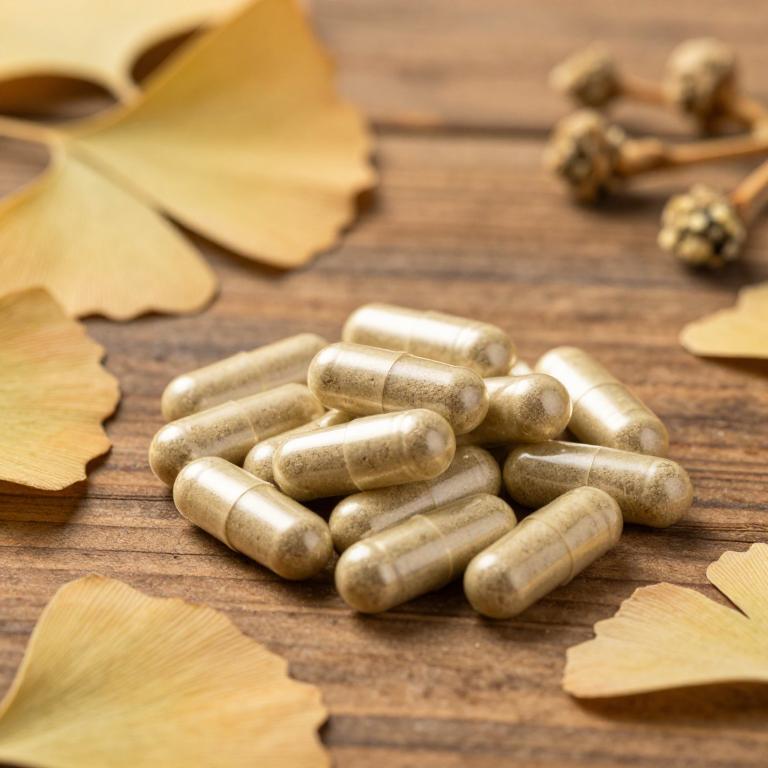
Ginkgo biloba herbal capsules are often used as a complementary therapy for varicose veins due to their potential to improve blood circulation and reduce inflammation.
The active compounds in ginkgo biloba, such as flavonoids and terpenoids, are believed to strengthen blood vessel walls and enhance microcirculation, which may help alleviate symptoms associated with varicose veins. While some studies suggest that ginkgo biloba may support vascular health, more clinical research is needed to confirm its efficacy for this specific condition. It is typically recommended to take ginkgo biloba capsules as part of a holistic approach, alongside lifestyle changes and medical treatments.
As with any supplement, it is important to consult a healthcare professional before use, especially for individuals with existing medical conditions or those taking other medications.
8. St. john's wort (Hypericum perforatum)
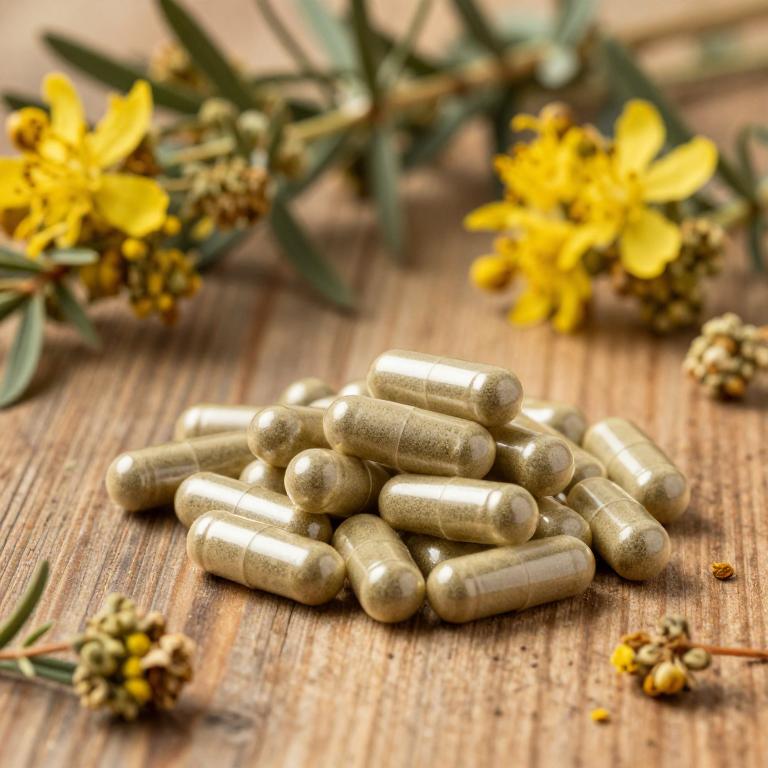
Hypericum perforatum, commonly known as St. John's Wort, is traditionally used in herbal medicine for its potential benefits in improving circulation and reducing inflammation.
While primarily known for its use in treating mild depression, some studies suggest it may also support vascular health, making it a possible complementary remedy for varicose veins. Herbal capsules containing Hypericum perforatum are often taken orally to promote blood flow and reduce the appearance of varicose veins. However, it is important to consult with a healthcare professional before use, as it can interact with certain medications.
Despite its traditional use, more clinical research is needed to fully establish its efficacy and safety for varicose veins.
9. Black elderberry (Sambucus nigra)
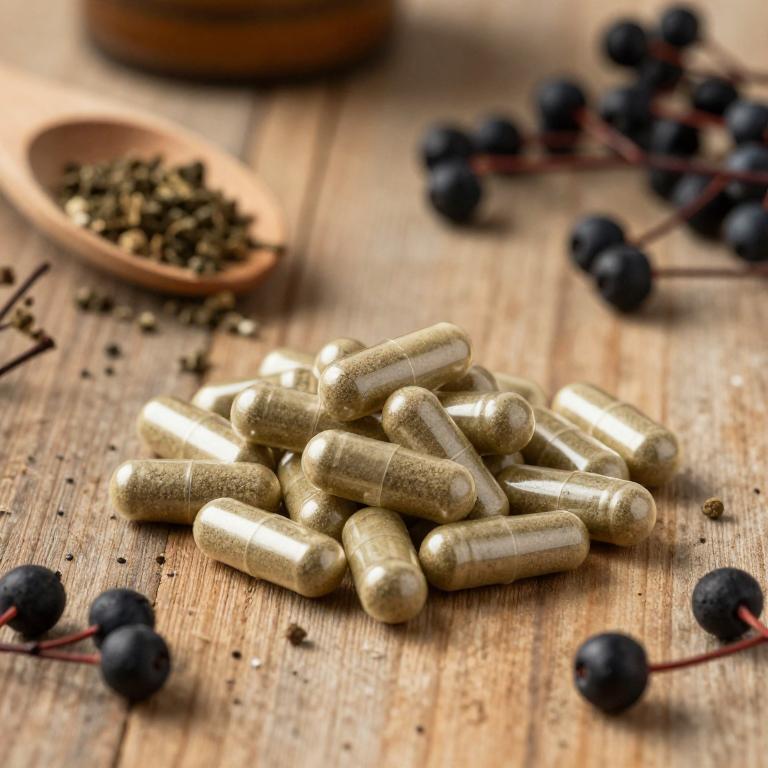
Sambucus nigra, commonly known as the European elderberry, has been traditionally used for its potential vascular benefits.
Herbal capsules containing Sambucus nigra are often marketed for supporting vein health and alleviating symptoms associated with varicose veins. These capsules may help improve circulation and reduce inflammation, which are key factors in managing varicose vein conditions. The active compounds in Sambucus nigra, such as flavonoids and anthocyanins, are believed to strengthen blood vessel walls and enhance blood flow.
While some studies suggest possible benefits, it is important to consult a healthcare professional before using these supplements, especially for individuals with existing medical conditions or those taking other medications.
10. Valerian (Valeriana officinalis)
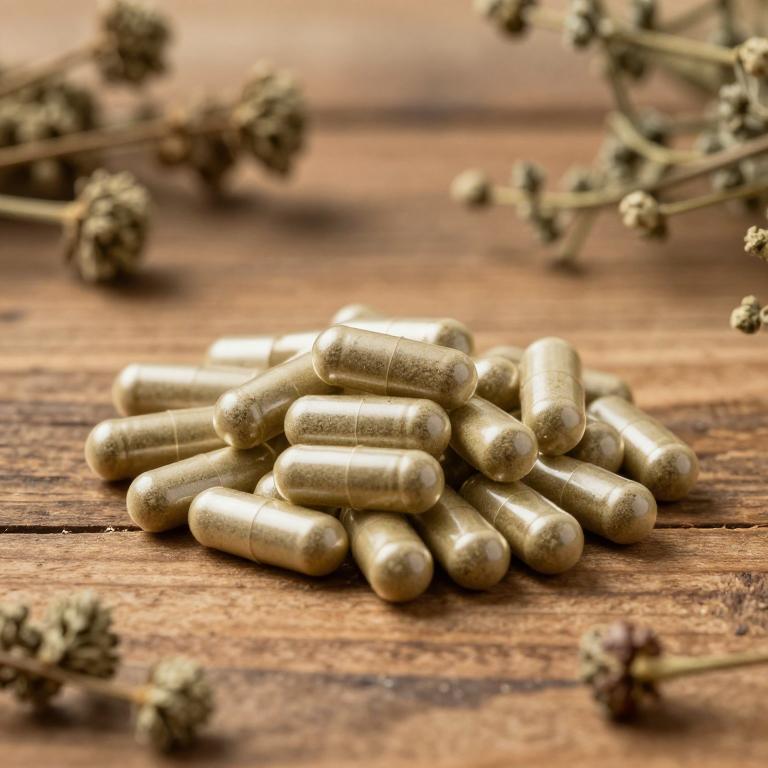
Valeriana officinalis, commonly known as valerian, is an herbal remedy traditionally used for its calming properties, but it is also being explored for its potential benefits in supporting vascular health.
Herbal capsules containing valeriana officinalis are often marketed for their ability to improve circulation and reduce the discomfort associated with varicose veins. These capsules may help by promoting blood flow and reducing inflammation in the veins, which can alleviate symptoms such as swelling and heaviness in the legs. While research on valeriana officinalis for varicose veins is limited, some studies suggest that its active compounds may have a positive impact on vascular function.
As with any supplement, it is important to consult a healthcare professional before use, especially for individuals with existing medical conditions or those taking other medications.