10 Best Herbal Lozenges For Vaginitis
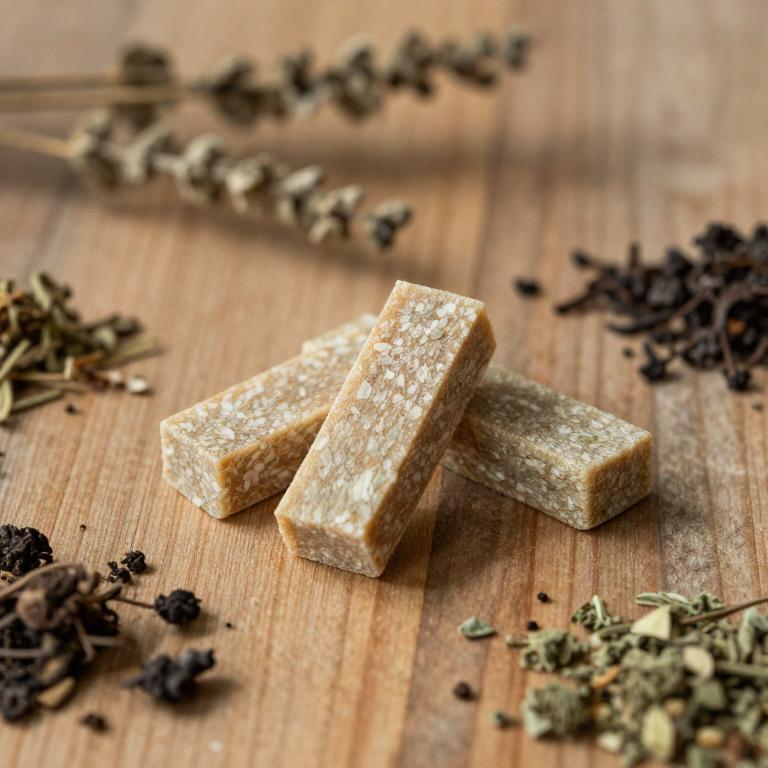
Herbal lozenges for vaginitis are natural remedies that aim to alleviate symptoms such as itching, burning, and discomfort associated with vaginal infections.
These lozenges typically contain plant-based ingredients like tea tree oil, garlic, and echinacea, which are known for their antimicrobial and anti-inflammatory properties. While they may offer some relief, their effectiveness can vary, and they are not a substitute for medical treatment in severe or persistent cases. It is important to consult a healthcare provider before using herbal lozenges to ensure they are safe and appropriate for the specific type of vaginitis.
Overall, these lozenges can be a complementary option for mild cases, but they should be used alongside proper diagnosis and treatment.
Table of Contents
- 1. St. john's wort (Hypericum perforatum)
- 2. Stinging nettle (Urtica dioica)
- 3. German chamomile (Chamomilla recutita)
- 4. English lavender (Lavandula angustifolia)
- 5. Chaste tree (Vitex agnus-castus)
- 6. Field horsetail (Equisetum arvense)
- 7. Marigold (Calendula officinalis)
- 8. Aloe vera (Aloe barbadensis)
- 9. Lemon balm (Melissa officinalis)
- 10. Rosemary (Rosmarinus officinalis)
1. St. john's wort (Hypericum perforatum)
Hypericum perforatum, commonly known as St. John's wort, is a herbal remedy that has been traditionally used for its potential anti-inflammatory and antimicrobial properties.
While it is more commonly associated with treating mild depression, some studies suggest it may have applications in supporting vaginal health. Hypericum perforatum herbal lozenges are formulated to be used vaginally, aiming to alleviate symptoms of vaginitis by reducing inflammation and combating harmful bacteria. These lozenges are often preferred by individuals seeking natural alternatives to conventional treatments.
However, it is important to consult a healthcare provider before use, as they can interact with other medications and may not be suitable for everyone.
2. Stinging nettle (Urtica dioica)
Urtica dioica, commonly known as stinging nettle, has been traditionally used for its anti-inflammatory and antimicrobial properties, making it a potential natural remedy for vaginitis.
When formulated into herbal lozenges, Urtica dioica may help soothe irritation and reduce symptoms associated with bacterial or fungal infections of the vagina. These lozenges work by delivering the plant’s active compounds directly to the affected area, promoting healing and balancing the vaginal microbiome. However, it is important to consult a healthcare provider before using them, as individual responses to herbal treatments can vary.
While some studies suggest potential benefits, more clinical research is needed to fully establish their efficacy and safety for treating vaginitis.
3. German chamomile (Chamomilla recutita)
Chamomilla recutita herbal lozenges are traditionally used to support the treatment of vaginitis by leveraging the anti-inflammatory and antimicrobial properties of chamomile.
These lozenges are often formulated to be safe for vaginal application, helping to soothe irritation and reduce discomfort associated with infections or inflammation. Chamomile contains active compounds such as bisabolol and flavonoids, which may help balance the vaginal microbiome and promote healing. While they are generally considered gentle and well-tolerated, it is important to consult a healthcare provider before using them, especially if symptoms persist or worsen.
As a complementary therapy, chamomilla recutita lozenges may offer a natural alternative for managing mild cases of vaginitis.
4. English lavender (Lavandula angustifolia)
Lavandula angustifolia, commonly known as English lavender, has been traditionally used for its calming and antiseptic properties.
Herbal lozenges made from lavender are being explored as a natural remedy for vaginitis due to their potential antimicrobial and anti-inflammatory effects. These lozenges may help alleviate symptoms such as itching, burning, and odor associated with bacterial or fungal infections. While more research is needed to confirm their efficacy, some studies suggest that lavender compounds may support vaginal health by balancing the microbiome.
As a complementary therapy, lavender lozenges offer a gentle, plant-based option for those seeking alternative treatments for vaginitis.
5. Chaste tree (Vitex agnus-castus)
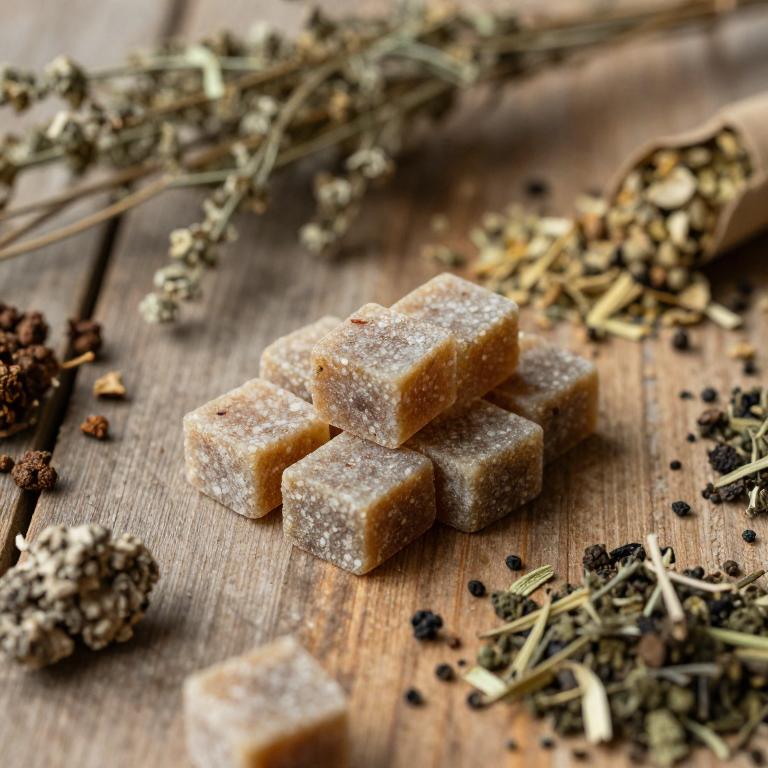
Vitex agnus-castus, commonly known as chasteberry, has been traditionally used in herbal medicine to support hormonal balance and may help alleviate symptoms associated with vaginitis.
When formulated into herbal lozenges, Vitex agnus-castus may provide a soothing effect on the vaginal mucosa while promoting overall reproductive health. These lozenges are often used as a natural alternative to conventional treatments, particularly for women seeking hormone-regulating support without synthetic medications. The active compounds in Vitex agnus-castus may help reduce inflammation and improve the body's natural defenses against infections.
However, it is important to consult a healthcare provider before using these lozenges, especially if symptoms persist or worsen.
6. Field horsetail (Equisetum arvense)
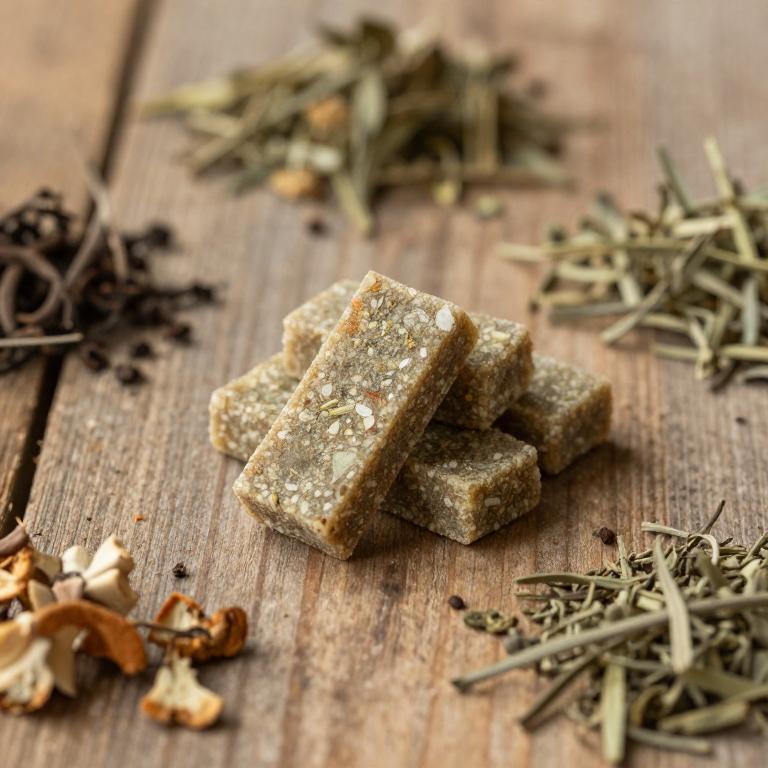
Equisetum arvense, commonly known as horsetail, is a herb traditionally used for its high concentration of silica, which is believed to support tissue repair and healing.
Herbal lozenges containing Equisetum arvense are sometimes used as a natural remedy for vaginitis, aiming to soothe irritation and promote vaginal health. These lozenges may help reduce inflammation and maintain the natural balance of the vaginal microbiome. While they are generally considered safe, it is important to consult with a healthcare provider before using them, especially if symptoms persist or worsen.
As with any herbal remedy, individual responses may vary, and they should not replace conventional medical treatments without professional guidance.
7. Marigold (Calendula officinalis)
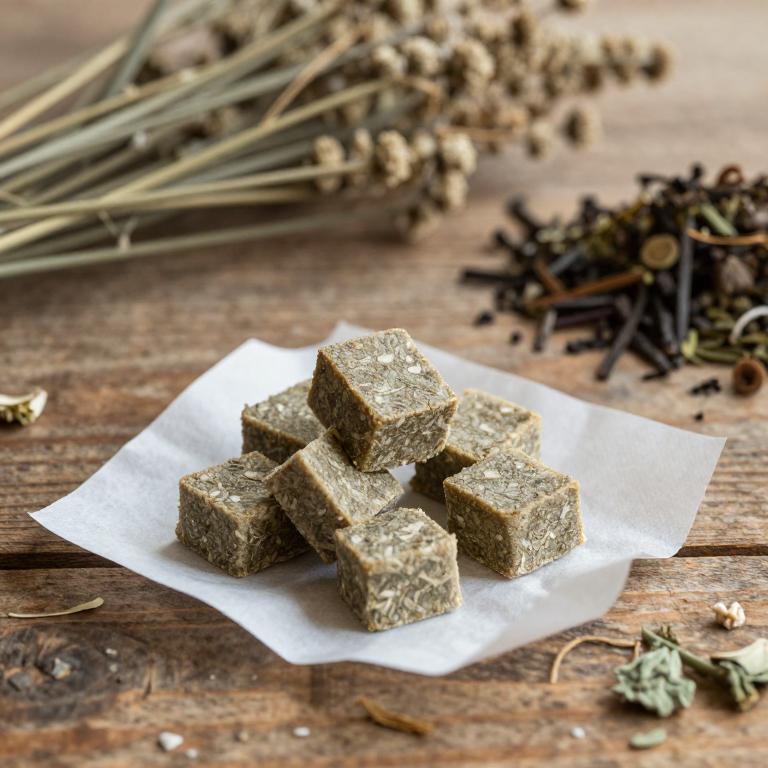
Calendula officinalis herbal lozenges are traditionally used to support vaginal health by leveraging the anti-inflammatory and antimicrobial properties of calendula, which may help alleviate symptoms of vaginitis.
These lozenges are often formulated with natural ingredients that can soothe irritation and promote a balanced vaginal environment. While they are not a substitute for medical treatment, they may serve as a complementary therapy for mild cases of vaginitis. Calendula contains compounds like flavonoids and triterpenoids that have been studied for their potential soothing and healing effects on mucous membranes.
As with any herbal remedy, it is important to consult a healthcare provider before use, especially if symptoms persist or worsen.
8. Aloe vera (Aloe barbadensis)
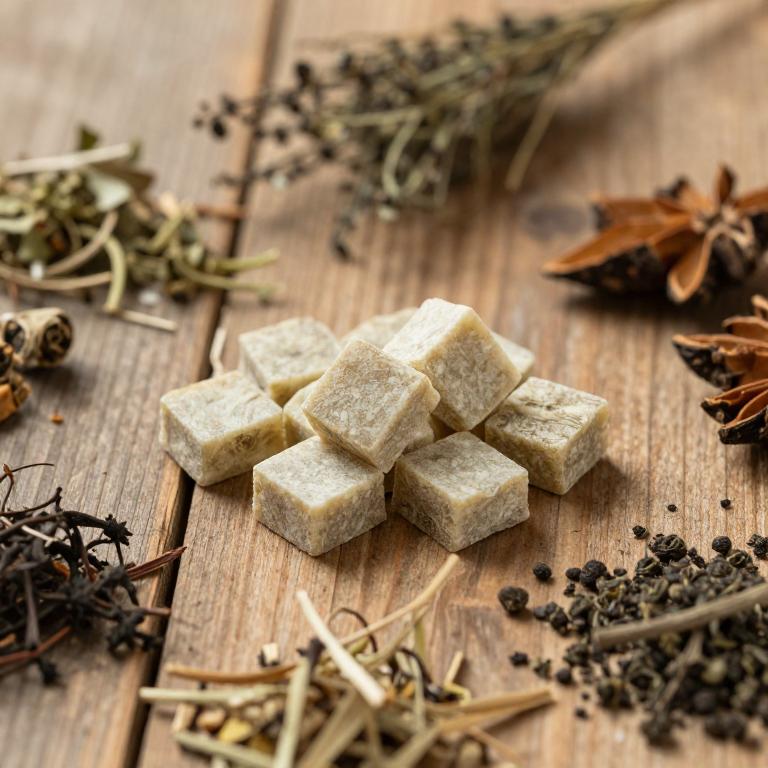
Aloe barbadensis herbal lozenges are natural remedies that may help alleviate symptoms of vaginitis by soothing irritation and reducing inflammation in the vaginal area.
These lozenges contain aloe vera, which is known for its antimicrobial and anti-inflammatory properties, potentially helping to combat infections and promote healing. While they are not a substitute for medical treatment, they can serve as a complementary approach to support vaginal health. However, it is important to consult a healthcare provider before using them, especially if symptoms persist or worsen.
Overall, aloe barbadensis lozenges offer a gentle, plant-based option for managing discomfort associated with vaginitis.
9. Lemon balm (Melissa officinalis)
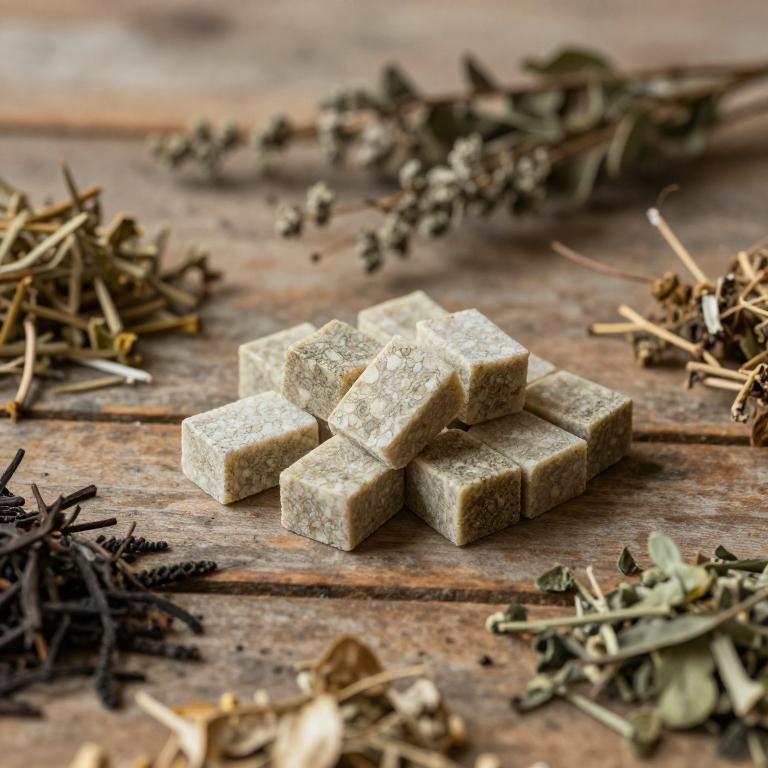
Melissa officinalis, commonly known as lemon balm, is a herbal remedy that has been traditionally used for its calming and antiseptic properties.
Lemon balm herbal lozenges may offer relief for symptoms of vaginitis by helping to reduce inflammation and soothe irritation in the vaginal area. These lozenges are often preferred as a natural alternative to conventional treatments, particularly for individuals seeking gentle, plant-based solutions. While they may not address the underlying causes of vaginitis, they can provide symptomatic relief and support overall vaginal health.
As with any herbal remedy, it is important to consult a healthcare provider before use, especially if symptoms persist or worsen.
10. Rosemary (Rosmarinus officinalis)
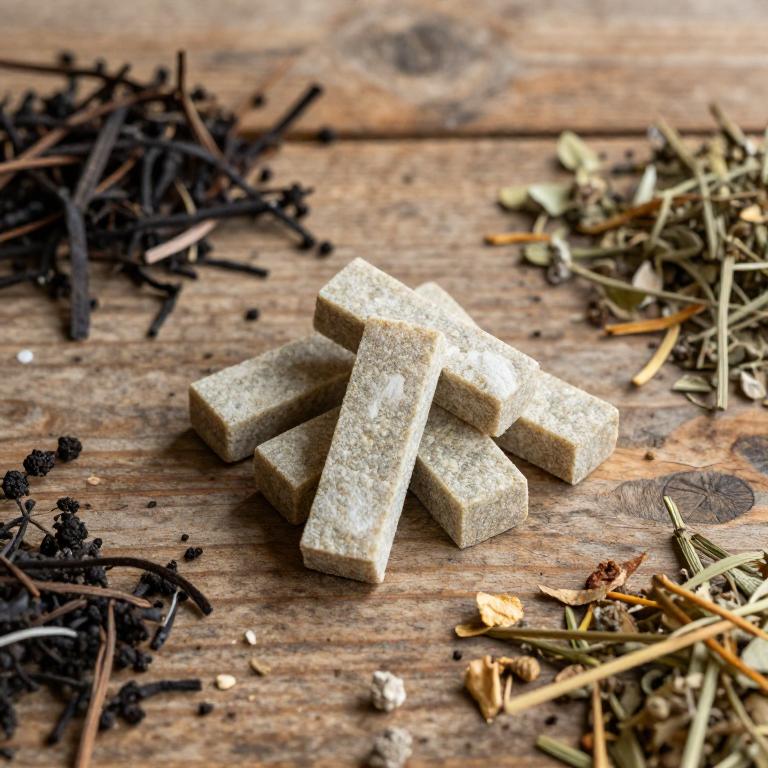
Rosmarinus officinalis, commonly known as rosemary, has been traditionally used for its antimicrobial and anti-inflammatory properties, making it a potential natural remedy for vaginitis.
Rosemary herbal lozenges may help alleviate symptoms such as itching, burning, and discomfort associated with vaginal infections by promoting a balanced vaginal flora. These lozenges are often formulated with other herbal ingredients to enhance their therapeutic effects, offering a holistic approach to treatment. While they are not a substitute for medical advice, they may complement conventional treatments and support overall feminine health.
It is important to consult a healthcare provider before using rosemary lozenges, especially if symptoms persist or worsen.