10 Best Herbal Lotions For Vaginitis
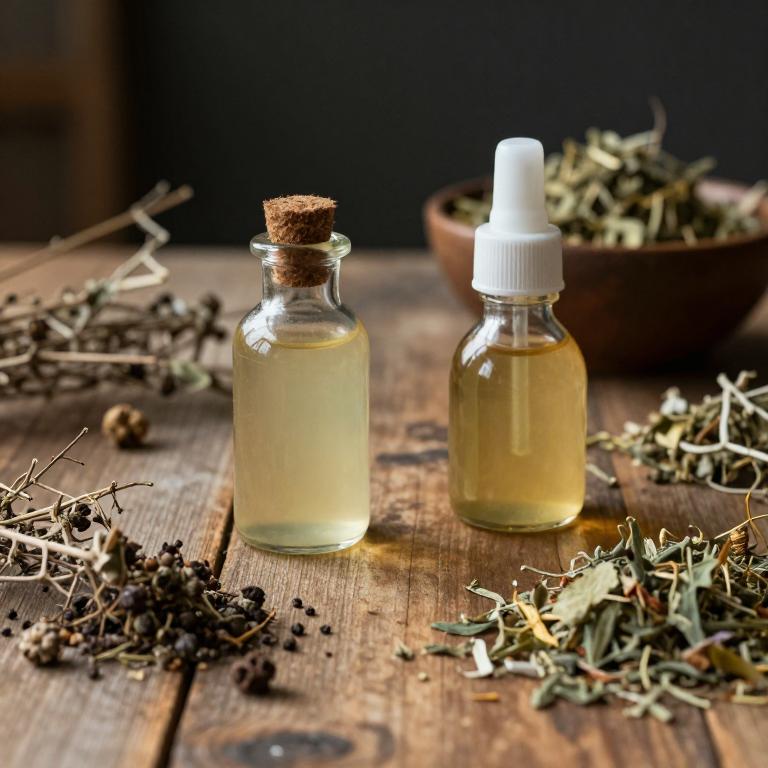
Herbal lotions for vaginitis are natural remedies that incorporate plant-based ingredients such as chamomile, calendula, and lavender, which are known for their anti-inflammatory and antimicrobial properties.
These lotions are often used as a gentler alternative to conventional treatments, especially for individuals seeking to avoid synthetic chemicals. They can help soothe irritation, reduce redness, and promote healing of the vaginal area. However, it is important to consult a healthcare provider before using herbal products to ensure they are safe and appropriate for individual health conditions.
While some studies suggest potential benefits, more research is needed to fully understand their efficacy and long-term effects.
Table of Contents
- 1. Marigold (Calendula officinalis)
- 2. St. john's wort (Hypericum perforatum)
- 3. Stinging nettle (Urtica dioica)
- 4. Aloe vera (Aloe barbadensis)
- 5. Rosemary (Rosmarinus officinalis)
- 6. Blessed thistle (Cnicus benedictus)
- 7. English lavender (Lavandula angustifolia)
- 8. Purple coneflower (Echinacea angustifolia)
- 9. Chamomile (Matricaria chamomilla)
- 10. Common mallow (Symphytum officinale)
1. Marigold (Calendula officinalis)
Calendula officinalis, commonly known as pot marigold, is a herbal remedy often used in the form of a lotion to address symptoms of vaginitis.
The anti-inflammatory and antimicrobial properties of calendula make it beneficial for soothing irritation and reducing infection risk in the vaginal area. When applied topically, calendula lotion can help alleviate redness, itching, and discomfort associated with bacterial or yeast infections. It is typically recommended as a complementary therapy alongside conventional treatments, though it should not replace medical advice.
Due to its gentle nature, calendula lotion is considered a safe option for many individuals seeking natural relief from vaginitis symptoms.
2. St. john's wort (Hypericum perforatum)
Hypericum perforatum, commonly known as St. John's Wort, is a herbal remedy that has been traditionally used for its anti-inflammatory and antimicrobial properties.
When formulated into a herbal lotion, it may offer potential relief for symptoms of vaginitis by soothing irritation and reducing inflammation in the genital area. However, it is important to note that hypericum perforatum can interact with certain medications and may not be suitable for everyone, particularly those on antidepressants or hormone therapies. While some studies suggest its efficacy in treating mild inflammatory conditions, more clinical research is needed to confirm its safety and effectiveness for vaginitis specifically.
As with any herbal treatment, it is advisable to consult a healthcare provider before use to ensure it is appropriate for individual health needs.
3. Stinging nettle (Urtica dioica)
Urtica dioica, commonly known as stinging nettle, has been traditionally used in herbal remedies for its anti-inflammatory and astringent properties.
When formulated into a herbal lotion, it may help alleviate symptoms of vaginitis by reducing irritation and inflammation in the vaginal area. The lotion typically contains extracts of fresh or dried stinging nettle leaves, which are known for their high content of vitamins, minerals, and antioxidants. However, it is important to consult a healthcare provider before using any herbal treatments, as individual reactions can vary and interactions with other medications may occur.
While some people find relief with stinging nettle lotion, it should not replace conventional medical treatments for vaginitis.
4. Aloe vera (Aloe barbadensis)
Aloe barbadensis, commonly known as aloe vera, is often used in herbal lotions for vaginitis due to its anti-inflammatory and antimicrobial properties.
These lotions can help soothe irritation and reduce redness associated with vaginal infections or sensitive conditions. Aloe vera contains compounds like polysaccharides and enzymes that promote healing and may help restore the vaginal microbiome. When applied topically, it can provide a cooling effect that alleviates discomfort.
However, it is important to consult a healthcare provider before using aloe-based products to ensure they are safe and appropriate for individual conditions.
5. Rosemary (Rosmarinus officinalis)
Rosmarinus officinalis, commonly known as rosemary, is a herbal plant that has been traditionally used for its antimicrobial and anti-inflammatory properties.
Rosemary herbal lotions for vaginitis are formulated with extracts from the leaves of this plant, which may help in reducing symptoms associated with bacterial or fungal infections. These lotions are often used as a natural alternative to conventional treatments, appealing to individuals seeking holistic approaches to vaginal health. The essential oils in rosemary have been shown to possess antifungal and antibacterial qualities that may support the healing process.
However, it is important to consult a healthcare provider before using any herbal remedy, as individual responses can vary and potential allergies or interactions may occur.
6. Blessed thistle (Cnicus benedictus)

Cnicus benedictus, commonly known as blessed thorn, is a herbal plant that has been traditionally used in herbal medicine for its potential anti-inflammatory and antifungal properties.
Herbal lotions made from Cnicus benedictus are sometimes used to treat vaginitis due to their soothing and antimicrobial effects, which may help alleviate symptoms such as itching and irritation. These lotions are typically prepared by infusing the dried leaves and flowers in a carrier oil or water, creating a gentle topical application. While some studies suggest that Cnicus benedictus may support vaginal health, it is important to consult a healthcare provider before using it, as individual responses can vary and it should not replace professional medical treatment.
Overall, Cnicus benedictus herbal lotions offer a natural alternative for managing mild symptoms of vaginitis, but their efficacy and safety should be evaluated on a case-by-case basis.
7. English lavender (Lavandula angustifolia)
Lavandula angustifolia, commonly known as English lavender, is often used in herbal lotions for its soothing and antiseptic properties.
These lotions may help alleviate symptoms of vaginitis by reducing inflammation and promoting a balanced vaginal environment. The essential oils in lavender have antimicrobial effects that can combat bacterial or fungal infections. However, it is important to consult a healthcare provider before using lavender-based products, as they may not be suitable for everyone.
While some women find relief with lavender lotions, they should not replace conventional treatments without medical guidance.
8. Purple coneflower (Echinacea angustifolia)
Echinacea angustifolia, a species of coneflower native to North America, has been traditionally used for its immune-boosting properties and anti-inflammatory effects.
When formulated into herbal lotions, it may offer potential relief for symptoms associated with vaginitis by reducing inflammation and promoting healing of the vaginal mucosa. These lotions are often prepared with a base of essential oils, aloe vera, and other soothing botanicals to enhance their therapeutic properties. While some preliminary studies suggest echinacea may have antimicrobial effects, more research is needed to confirm its efficacy specifically for vaginal infections.
As with any herbal remedy, it is important to consult a healthcare provider before using echinacea angustifolia lotions for vaginitis to ensure safety and appropriateness for individual health conditions.
9. Chamomile (Matricaria chamomilla)
Matricaria chamomilla, commonly known as German chamomile, is often used in herbal lotions for its soothing and anti-inflammatory properties.
These lotions are typically prepared by infusing chamomile flowers in a carrier oil or water, creating a gentle topical application for sensitive areas. Chamomile is believed to help alleviate symptoms of vaginitis by reducing irritation, redness, and itching due to its antimicrobial and antiseptic qualities. When applied externally, chamomile lotions may provide a natural alternative for managing mild cases of vaginal inflammation.
However, it is important to consult a healthcare provider before using any herbal remedies, especially during pregnancy or if symptoms persist.
10. Common mallow (Symphytum officinale)

Symphytum officinale, commonly known as comfrey, is a herbal plant that has been traditionally used for its healing properties, including in the formulation of herbal lotions for vaginitis.
These lotions are often prepared by infusing the roots of the plant in oil or alcohol, creating a topical application that may help reduce inflammation and promote tissue repair in the vaginal area. While some natural remedies suggest that comfrey may have anti-inflammatory and antimicrobial properties, it is important to note that the safety and efficacy of comfrey for vaginal use have not been extensively studied in clinical trials. Due to potential risks such as skin irritation or absorption of toxic compounds, it is advisable to consult a healthcare provider before using comfrey-based products for vaginitis.
As with any herbal treatment, proper preparation and application are essential to minimize adverse effects and ensure safe use.