10 Best Herbal Juices For Upper Abdominal Pain
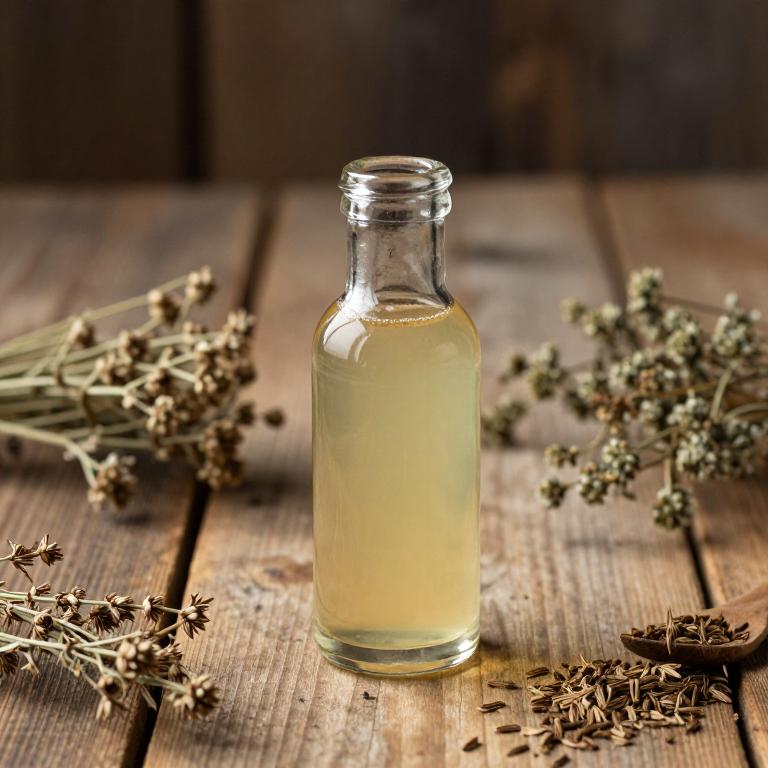
Herbal juices have been traditionally used to alleviate upper abdominal pain by promoting digestion and reducing inflammation.
Common herbs such as fennel, ginger, and peppermint are often included in these juices for their soothing and carminative properties. Fennel juice can help relieve gas and bloating, while ginger is known for its ability to reduce nausea and stimulate digestive enzymes. Peppermint juice may ease muscle spasms in the digestive tract, offering relief from cramping pain.
However, it is important to consult a healthcare professional before using herbal juices, especially for persistent or severe upper abdominal pain, to ensure they are safe and appropriate for individual health conditions.
Table of Contents
1. Cumin (Cuminum cyminum)
Cuminum cyminum, commonly known as cumin, has been traditionally used in herbal medicine for its potential benefits in alleviating upper abdominal pain.
The essential oils and bioactive compounds in cumin, such as cuminaldehyde and thymol, possess anti-inflammatory and carminative properties that may help reduce gastrointestinal discomfort. When prepared as a herbal juice, cumin can soothe the digestive tract and ease symptoms like bloating, gas, and cramping associated with upper abdominal pain. To prepare the juice, fresh cumin seeds are typically crushed and mixed with water or a mild citrus juice, then consumed in small quantities.
While cumin may offer some relief, it is advisable to consult a healthcare professional before using it as a treatment for persistent or severe abdominal pain.
2. Fennel (Foeniculum vulgare)
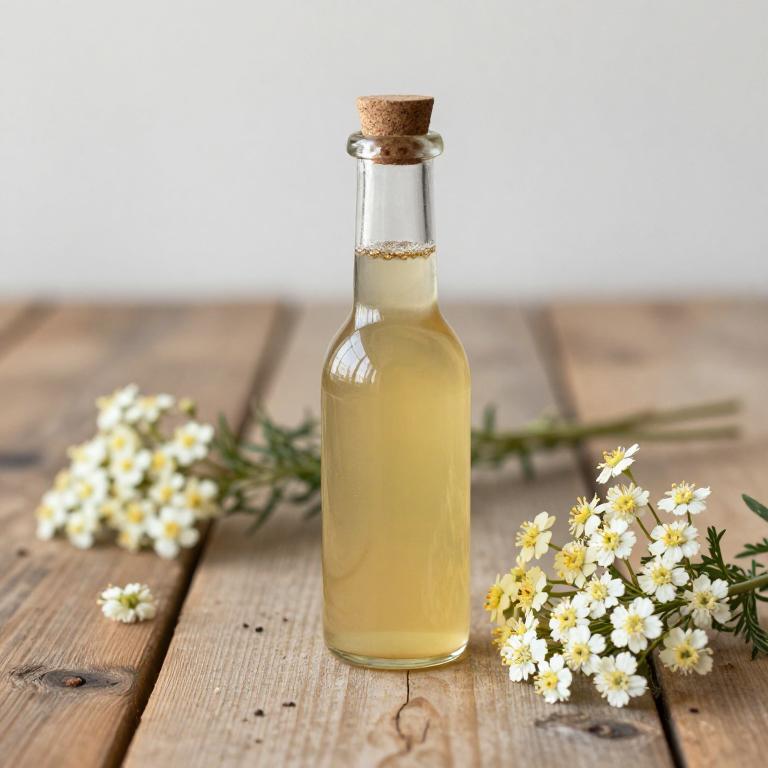
Foeniculum vulgare, commonly known as fennel, has been traditionally used in herbal medicine to alleviate upper abdominal pain, particularly related to digestive discomfort.
The essential oil of fennel contains compounds like anethol and fenchone, which possess antispasmodic and carminative properties that help relax the smooth muscles of the gastrointestinal tract. When consumed as a herbal juice, fennel can ease bloating, gas, and cramping by promoting healthy digestion and reducing inflammation in the abdomen. To prepare the juice, fresh fennel seeds or the bulb are typically juiced and consumed in small amounts, often combined with other digestive herbs like ginger or peppermint.
However, it is important to consult a healthcare professional before using fennel juice, especially for individuals with existing medical conditions or those taking medications.
3. Turmeric (Curcuma longa)
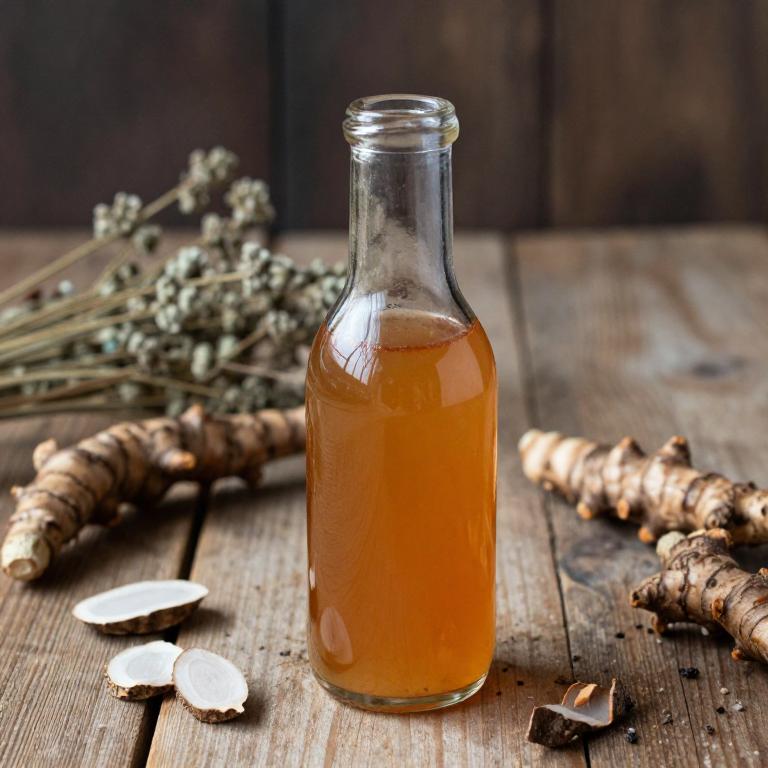
Curcuma longa, commonly known as turmeric, contains curcumin, a compound with potent anti-inflammatory and antioxidant properties.
Herbal juices made from curcuma longa may help alleviate upper abdominal pain by reducing inflammation in the gastrointestinal tract. These juices can be prepared by combining turmeric with other beneficial ingredients like ginger, lemon, or black pepper to enhance absorption and effectiveness. However, it is important to consult a healthcare professional before using turmeric juice, especially if you have existing medical conditions or are taking medications.
While some individuals may find relief from turmeric-based remedies, they should not replace conventional medical treatments for persistent or severe upper abdominal pain.
4. Thistle (Silybum marianum)
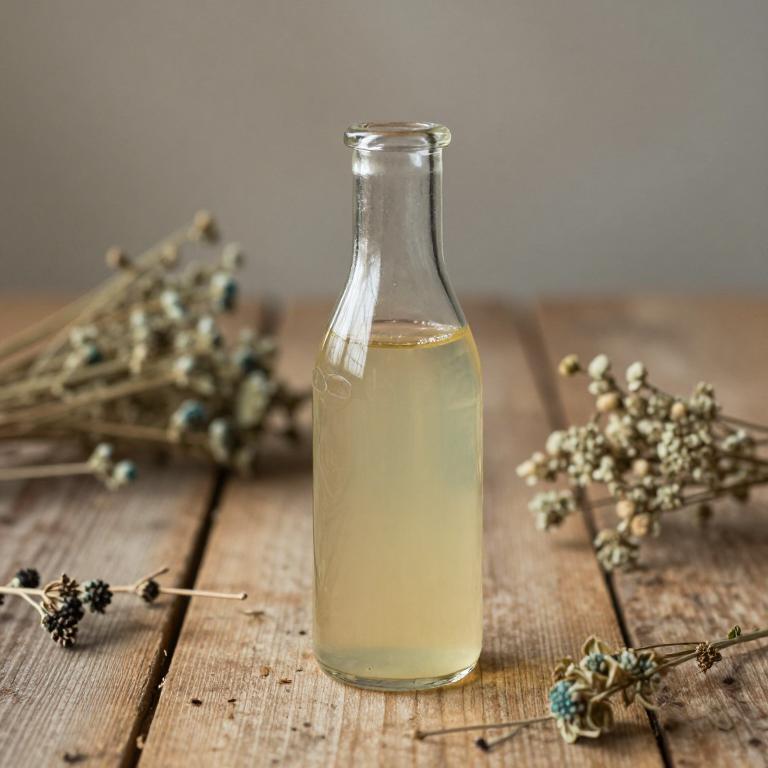
Silybum marianum, commonly known as milk thistle, is a herbal remedy often used to support liver health and has been studied for its potential benefits in reducing upper abdominal pain, particularly when linked to liver or gallbladder conditions.
The active compound, silymarin, is believed to have anti-inflammatory and antioxidant properties that may help alleviate discomfort in the upper abdomen by reducing inflammation and promoting detoxification. Some clinical studies suggest that milk thistle extract may improve symptoms in individuals with chronic liver diseases, which can contribute to upper abdominal pain. However, while it is generally considered safe, it is important to consult a healthcare professional before using silybum marianum, especially if you are on medications or have underlying health conditions.
As with any herbal remedy, results may vary, and it should be used as part of a comprehensive treatment plan under medical guidance.
5. Ginger (Zingiber officinale)
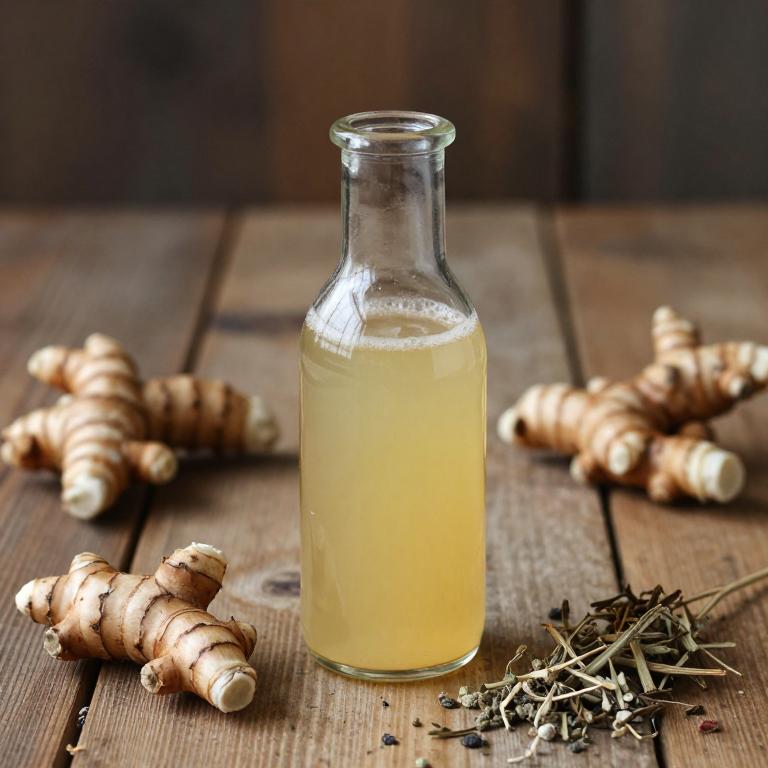
Zingiber officinale, commonly known as ginger, has been widely used in traditional medicine for its anti-inflammatory and pain-relieving properties.
Ginger herbal juices, derived from fresh or dried ginger root, may help alleviate upper abdominal pain by reducing inflammation and soothing the digestive system. The active compounds in ginger, such as gingerol and shogaol, are believed to relax the gastrointestinal tract and ease discomfort associated with conditions like indigestion, gastritis, or nausea. Consuming ginger juice in moderation can provide natural relief, though it is advisable to consult a healthcare professional for persistent or severe abdominal pain.
Overall, ginger juice offers a gentle and accessible remedy for mild upper abdominal discomfort when used as part of a holistic approach to health.
6. Peppermint (Mentha piperita)
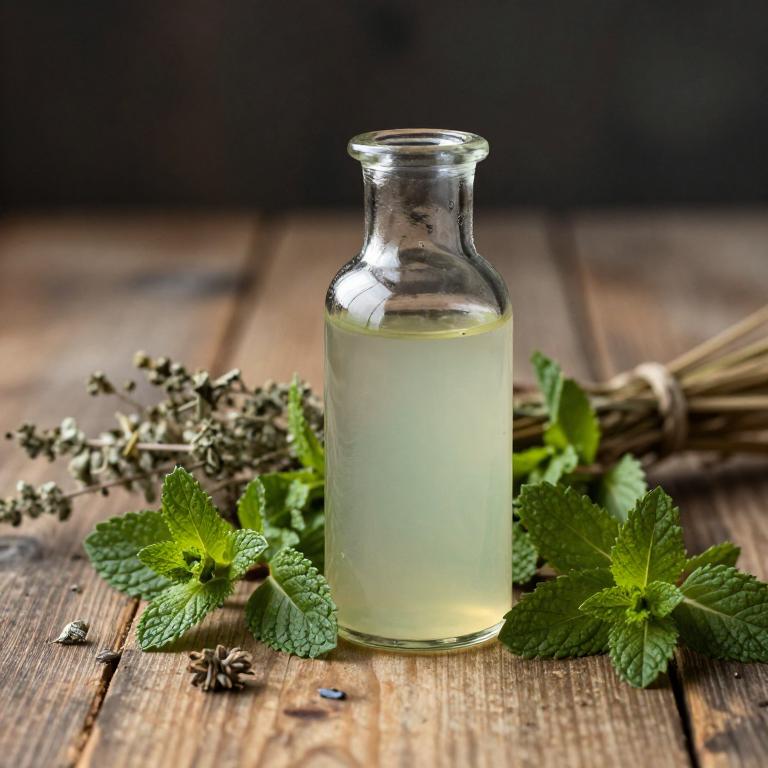
Mentha piperita, commonly known as peppermint, is often used in herbal juices to alleviate upper abdominal pain due to its soothing and carminative properties.
The essential oils in peppermint, particularly menthol, help relax the smooth muscles of the gastrointestinal tract, reducing spasms and cramping. When consumed as a fresh juice, peppermint can provide rapid relief from symptoms such as bloating, nausea, and indigestion. However, it is important to consume it in moderation, as excessive intake may cause heartburn or irritation in some individuals.
Peppermint herbal juice is generally considered safe for most adults but should be avoided by those with certain medical conditions or during pregnancy, as advised by a healthcare professional.
7. Dog rose (Rosa canina)

Rosa canina, also known as dog rose, is a traditional herbal remedy that has been used for centuries to support digestive health and alleviate symptoms of upper abdominal pain.
The berries and flowers of the Rosa canina plant contain antioxidants, vitamins, and anti-inflammatory compounds that may help reduce inflammation and soothe the gastrointestinal tract. When made into a herbal juice, Rosa canina can be consumed regularly to promote digestive comfort and ease discomfort associated with conditions like gastritis or indigestion. This natural remedy is often recommended as a complementary therapy to support overall gut health.
However, it is advisable to consult with a healthcare professional before using Rosa canina, especially if you have underlying health conditions or are taking medications.
8. Licorice (Glycyrrhiza glabra)
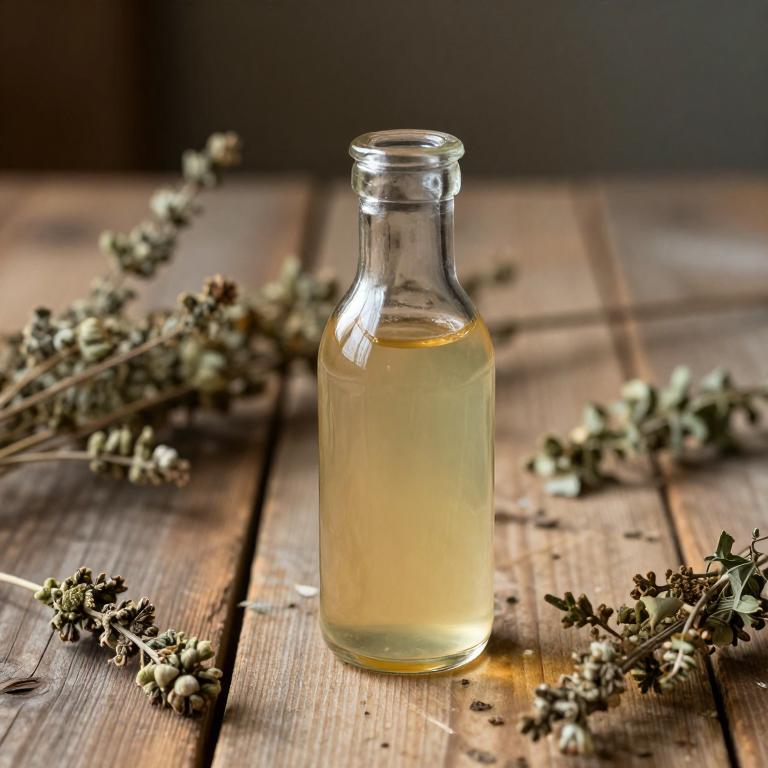
Glycyrrhiza glabra, commonly known as licorice root, has been traditionally used in herbal medicine to address various gastrointestinal issues, including upper abdominal pain.
The active compounds in licorice root, such as glycyrrhizin and flavonoids, possess anti-inflammatory and soothing properties that may help reduce irritation and inflammation in the stomach lining. When consumed as a herbal juice, licorice root can help alleviate symptoms associated with conditions like gastritis or acid reflux. However, long-term use of licorice root juice may lead to side effects such as hypertension or electrolyte imbalances due to its effect on the adrenal glands.
It is advisable to consult a healthcare professional before using licorice root juice, especially for individuals with preexisting health conditions.
9. Caraway (Carum carvi)
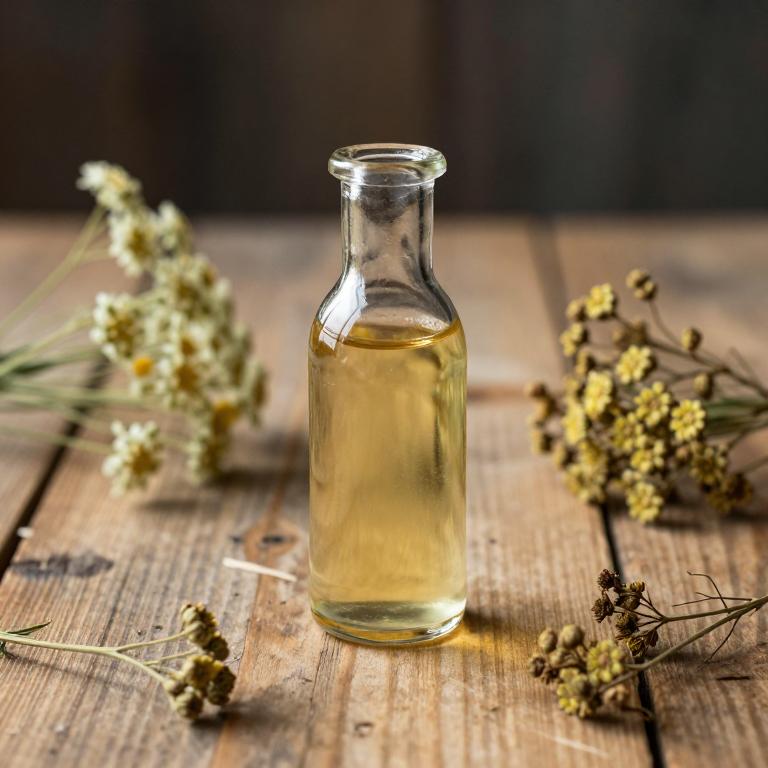
Carum carvi, commonly known as caraway, has been traditionally used in herbal medicine for its potential benefits in alleviating upper abdominal pain.
The essential oil of caraway contains compounds like limonene and apiol, which may help relax the gastrointestinal tract and reduce spasms. Herbal juices made from caraway seeds are often consumed to aid digestion and ease discomfort associated with bloating or indigestion. While some studies suggest that caraway may have mild antispasmodic properties, it is important to consult a healthcare professional before using it for persistent or severe abdominal pain.
As with any herbal remedy, the effectiveness and safety can vary, and it should not replace conventional medical treatment.
10. Stinging nettle (Urtica dioica)
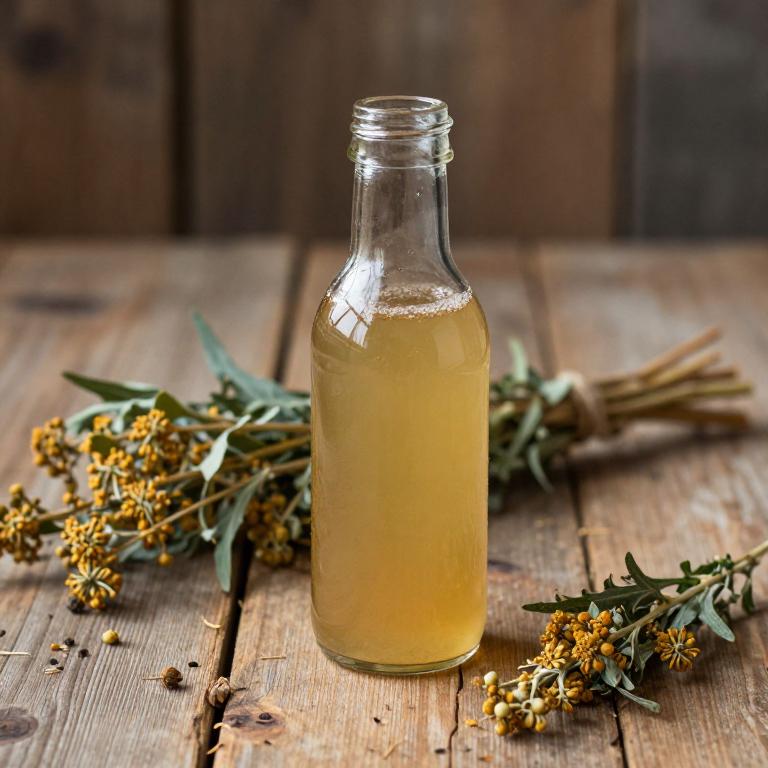
Urtica dioica, commonly known as stinging nettle, has been traditionally used in herbal medicine for its anti-inflammatory and digestive properties.
When prepared as a juice, it may help alleviate upper abdominal pain by reducing inflammation and promoting digestion. The juice is typically made by blending fresh or dried nettle leaves with water or a mild vegetable juice, and it is often consumed in small quantities to avoid its mild irritant effect. Some studies suggest that the compounds in stinging nettle may support liver function and ease gastrointestinal discomfort.
However, it is important to consult a healthcare provider before using nettle juice, especially for persistent or severe upper abdominal pain.