10 Best Herbal Creams For Upper Abdominal Pain
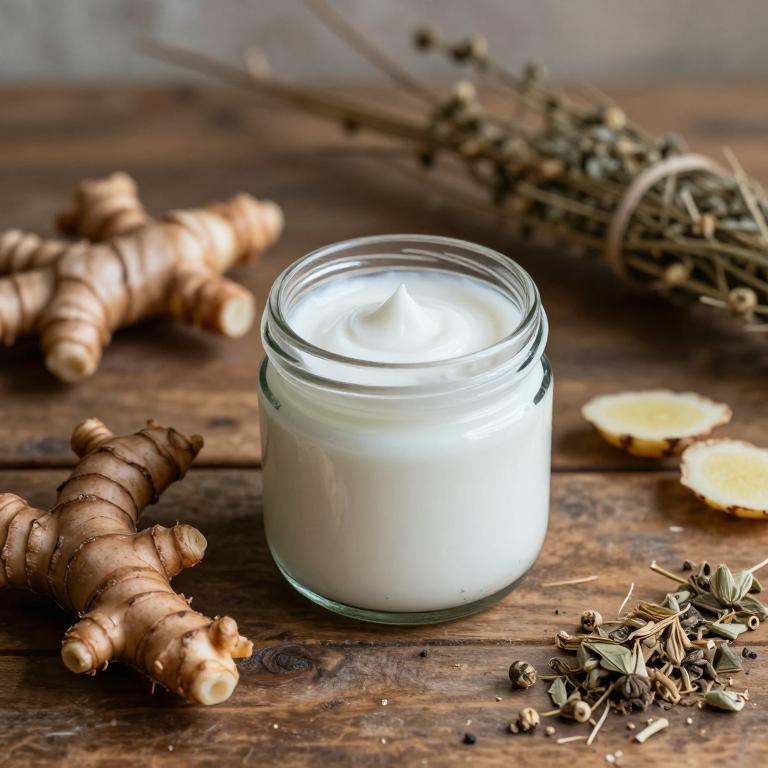
Herbal creams are natural topical treatments that may help alleviate upper abdominal pain by soothing inflamed tissues and reducing discomfort.
These creams often contain ingredients like menthol, camphor, and essential oils, which have cooling and analgesic properties. They are typically used for mild to moderate pain associated with conditions such as gastritis, indigestion, or muscle strain in the abdominal area. While they can provide temporary relief, they are not a substitute for medical treatment, especially if the pain is severe or persistent.
It is important to consult a healthcare professional before using herbal creams to ensure they are safe and appropriate for the underlying condition.
Table of Contents
- 1. Ginger (Zingiber officinale)
- 2. Turmeric (Curcuma longa)
- 3. Cumin (Cuminum cyminum)
- 4. Thistle (Silybum marianum)
- 5. Fennel (Foeniculum vulgare)
- 6. Peppermint (Mentha piperita)
- 7. Caraway (Carum carvi)
- 8. Anise (Pimpinella anisum)
- 9. Chaste tree (Vitex agnus-castus)
- 10. Chamomile (Matricaria chamomilla)
1. Ginger (Zingiber officinale)
Zingiber officinale, commonly known as ginger, has been traditionally used for its anti-inflammatory and analgesic properties, making it a popular ingredient in herbal creams for upper abdominal pain.
These creams often contain ginger extract, which may help alleviate discomfort by reducing muscle spasms and inflammation in the gastrointestinal tract. While some studies suggest that topical application of ginger can provide localized relief, more research is needed to confirm its efficacy for chronic or severe upper abdominal pain. Herbal creams containing zingiber officinale are generally considered safe for most people, though they may cause skin irritation in sensitive individuals.
As with any remedy, it is advisable to consult a healthcare professional before using ginger-based creams for persistent or severe abdominal pain.
2. Turmeric (Curcuma longa)
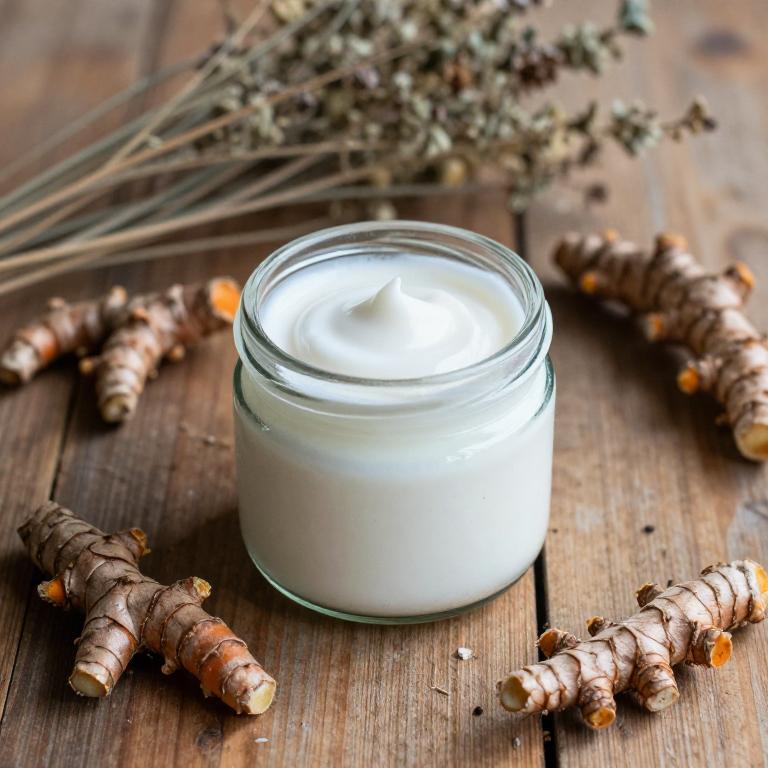
Curcuma longa, commonly known as turmeric, is a herbal remedy that has been traditionally used for its anti-inflammatory and pain-relieving properties.
When incorporated into topical creams, curcuma longa can provide targeted relief for upper abdominal pain by reducing inflammation and soothing muscle spasms. These creams often contain curcumin, the active compound in turmeric, which has been shown to inhibit inflammatory pathways in the body. However, it is important to consult a healthcare professional before using these creams, especially if the pain is persistent or severe, as it may indicate an underlying medical condition.
While curcuma longa creams can be a natural alternative for mild discomfort, they should not replace professional medical advice or treatment.
3. Cumin (Cuminum cyminum)
Cuminum cyminum, commonly known as cumin, is a herb that has been traditionally used in various cultures for its therapeutic properties.
While cumin itself is often consumed as a spice, its essential oils and extracts have been explored for their potential in natural remedies. Some herbal creams containing cumin are marketed for their ability to alleviate upper abdominal pain, possibly due to their anti-inflammatory and carminative effects. These creams may help reduce gas, bloating, and cramping associated with digestive discomfort.
However, it is important to consult a healthcare professional before using such products, as their efficacy and safety can vary.
4. Thistle (Silybum marianum)
Silybum marianum, commonly known as milk thistle, is a herbal remedy often used in the formulation of creams to address upper abdominal pain.
These creams typically contain the active compound silymarin, which is believed to have anti-inflammatory and hepatoprotective properties. When applied topically, the cream may help reduce inflammation and discomfort in the upper abdominal region, potentially offering relief for conditions like gastritis or mild digestive issues. However, it is important to note that while some individuals may find these creams beneficial, they should not replace professional medical advice or treatment for more serious underlying conditions.
As with any herbal product, it is advisable to consult a healthcare provider before use to ensure safety and appropriateness for individual health needs.
5. Fennel (Foeniculum vulgare)
Foeniculum vulgare, commonly known as fennel, is often used in herbal creams to alleviate upper abdominal pain due to its anti-inflammatory and antispasmodic properties.
These creams typically contain essential oils derived from the seeds of the fennel plant, which can help soothe digestive discomfort and reduce muscle tension in the abdominal area. The application of fennel-based creams may provide localized relief by promoting relaxation of the gastrointestinal tract and reducing cramping. While generally considered safe for topical use, it is important to consult a healthcare professional before using these creams, especially if there are underlying medical conditions or allergies.
Overall, fennel herbal creams offer a natural alternative for managing mild to moderate upper abdominal pain, though they should complement, not replace, conventional medical treatments.
6. Peppermint (Mentha piperita)
Mentha piperita, commonly known as peppermint, is often used in herbal creams to alleviate upper abdominal pain due to its soothing and antispasmodic properties.
These creams typically contain menthol, which can help relax the muscles of the digestive tract and reduce cramping. The cooling effect of peppermint can provide a tingling sensation that distracts from discomfort and promotes a sense of relief. When applied topically to the abdomen, these creams may help ease symptoms associated with conditions like irritable bowel syndrome or gas-related pain.
However, it is important to consult a healthcare professional before using peppermint creams, especially if the pain is severe or persistent.
7. Caraway (Carum carvi)
Carum carvi, commonly known as caraway, has been traditionally used in herbal medicine for its potential digestive and anti-inflammatory properties.
Carum carvi herbal creams are formulated with essential oils extracted from the seeds of the caraway plant, which may help alleviate upper abdominal pain by soothing the digestive tract. These creams are often applied topically to the abdomen, where they can provide localized relief from cramping, bloating, and other discomforts associated with digestive issues. While they are not a substitute for medical treatment, they may complement conventional therapies for mild to moderate cases.
It is important to consult a healthcare professional before using carum carvi creams, especially if the pain is persistent or severe.
8. Anise (Pimpinella anisum)
Pimpinella anisum, commonly known as anise, has been traditionally used in herbal medicine for its potential soothing effects on the digestive system.
Herbal creams containing anise extract are often formulated to alleviate upper abdominal pain by reducing inflammation and promoting muscle relaxation in the gastrointestinal tract. These creams may be applied topically to the abdomen, providing a localized anti-inflammatory and analgesic effect. While they are not a substitute for medical treatment, they can serve as a complementary therapy for mild digestive discomfort.
However, it is important to consult a healthcare professional before using anise-based creams, especially if the pain is persistent or severe.
9. Chaste tree (Vitex agnus-castus)
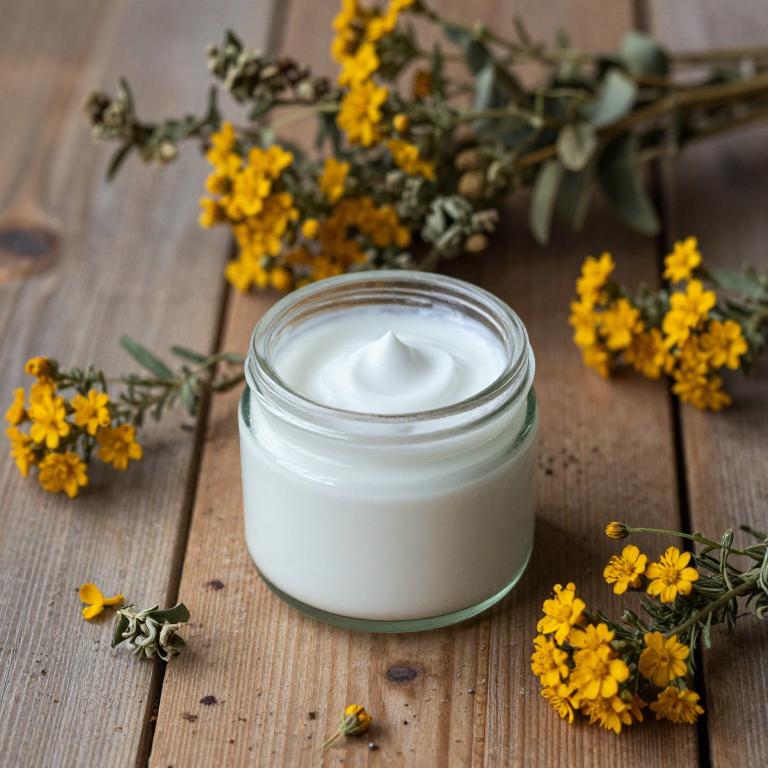
Vitex agnus-castus, commonly known as chasteberry, has been traditionally used in herbal medicine for its potential to support hormonal balance and alleviate various gynecological symptoms.
Herbal creams containing vitex agnus-castus are often formulated to target upper abdominal discomfort, particularly in women experiencing menstrual pain or premenstrual syndrome. These creams may help reduce inflammation and ease muscle tension in the abdominal area, offering a natural alternative for those seeking relief without pharmaceutical interventions. While scientific evidence on their efficacy for upper abdominal pain is limited, some studies suggest that vitex may influence the pituitary gland and regulate hormone levels, which could indirectly alleviate related symptoms.
As with any herbal remedy, it is advisable to consult a healthcare professional before use, especially if the pain is severe or persistent.
10. Chamomile (Matricaria chamomilla)
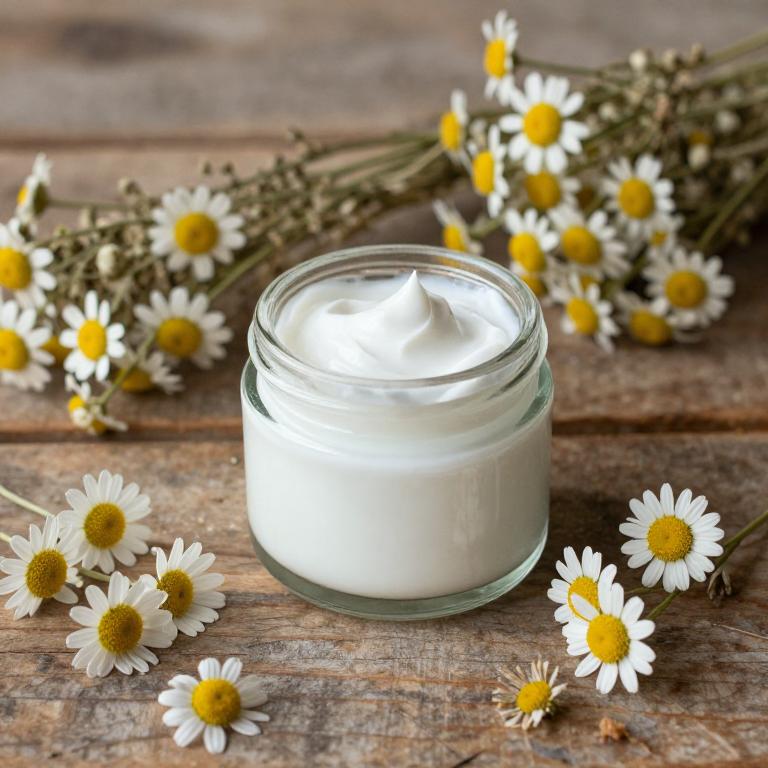
Matricaria chamomilla, commonly known as chamomile, is a herbal ingredient often used in creams to alleviate upper abdominal pain due to its anti-inflammatory and soothing properties.
These creams typically contain chamomile extract, which helps reduce inflammation and irritation in the digestive tract. The gentle nature of chamomile makes it a suitable option for individuals seeking natural remedies for discomfort related to conditions like gastritis or indigestion. When applied topically, the cream can provide localized relief by calming the muscles and reducing spasms in the abdominal area.
However, it is important to consult a healthcare professional before use, especially if the pain is severe or persistent.